Undoubtedly, the assassination of such a personality shows how great their importance is and how much the enemies of Islam hate them
einer solchen Persönlichkeit — Heute
Iran’s Supreme Leader Vows Revenge Following Security Chief’s Death
Iran's Supreme Leader has threatened retaliation for the killing of Ali Larijani, escalating tensions in the Middle East, which have already claimed over 2,300 civilian lives.
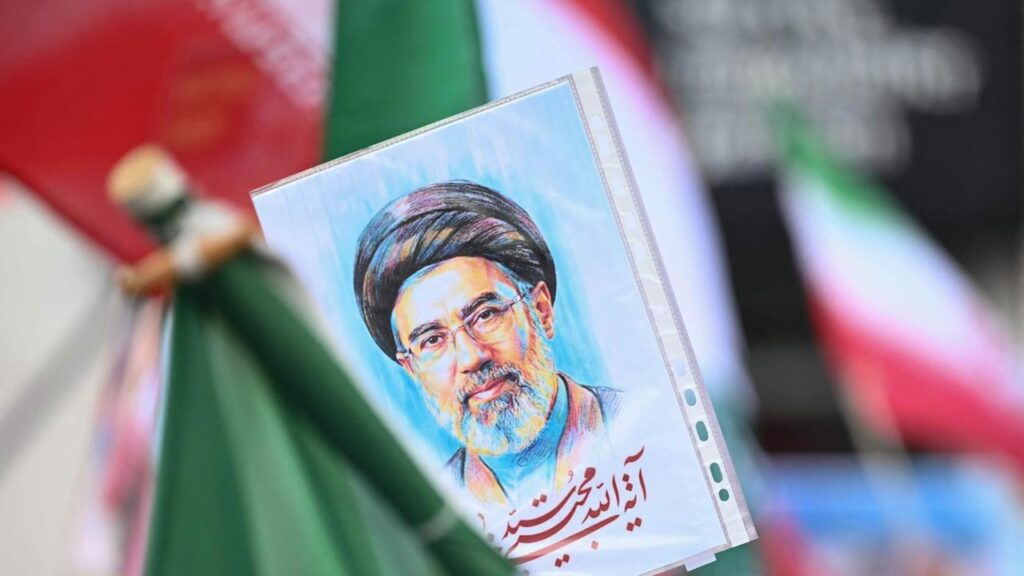
Iran’s Supreme Leader, Ayatollah Mojtaba Khamenei, has issued a stark warning of revenge in response to the assassination of security chief Ali Larijani, intensifying an already volatile situation in the Middle East that has resulted in thousands of civilian casualties.
In a statement broadcast by state media on Wednesday, Khamenei expressed condolences for Larijani, underscoring that his death would not go unpunished. Larijani was reportedly killed in an Israeli attack.
“Every drop of blood has its price, and the murderous criminals who have slain our martyrs will soon pay for it,” Khamenei declared, reflecting Tehran’s serious assessment of the crisis. His remarks signal a shift in tone, indicating Iran views this incident not as an isolated act but as an assault on its entire system.
The threats come as the humanitarian situation in the region deteriorates further. According to the World Health Organization, the ongoing conflict has already claimed the lives of more than 2,300 civilians, with the number of injured likely much higher.
Khamenei emphasized the significance of the slain security chief, stating, “The murder of such a figure clearly shows their importance and the extent of hatred from the enemies of Islam.” This strong language suggests that Iran is prepared to escalate its response.
The international community is watching these developments with mounting concern. NATO has responded cautiously to Khamenei’s fierce rhetoric, refraining from taking a definitive stance as the risk of further escalation looms.
For Europe, the intensification of the conflict carries immediate implications. The region is not only a vital energy supplier but also a battleground for complex geopolitical maneuvers. Any further escalation could exacerbate refugee flows and further strain an already precarious security situation.
Khamenei’s threats signal a new phase in a conflict that has been simmering for months. Until now, the newly appointed Supreme Leader had adopted a more restrained approach. His recent assertiveness indicates that Iran is unwilling to tolerate attacks on high-ranking officials.
What happens next remains uncertain. Experts fear that retaliatory actions could spiral into further violence, with the high civilian toll already illustrating the devastating impact of the conflict on the population.
This situation calls for diplomatic finesse from all involved parties. While Iran appears ready for confrontation, Western nations are exploring avenues to de-escalate tensions. Whether they succeed will become clear in the coming days.
For the people in the region, these developments bring additional uncertainty. Many fear that the threats may translate into action, leading the conflict into a new, bloodier phase. The international community faces the dual challenge of providing humanitarian aid while also working to de-escalate the political crisis.