Berlin’s Nvidia deal: plenty of intent, no money yet
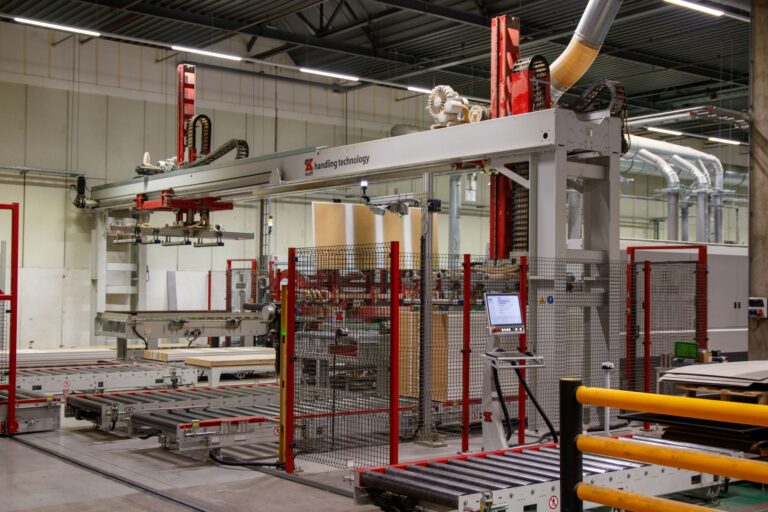
Berlin and Nvidia want to give robots and factories AI of their own. What was signed is only a letter of intent, with no figures, projects or timeline.
Economic news on companies, work, consumer issues, markets and developments in Germany and Europe.
Berlin and Nvidia want to give robots and factories AI of their own. What was signed is only a letter of intent, with no figures, projects or timeline.
The drugmaker halts new German projects over the health savings law. Its €600 million expansion near Munich is going ahead – for now.
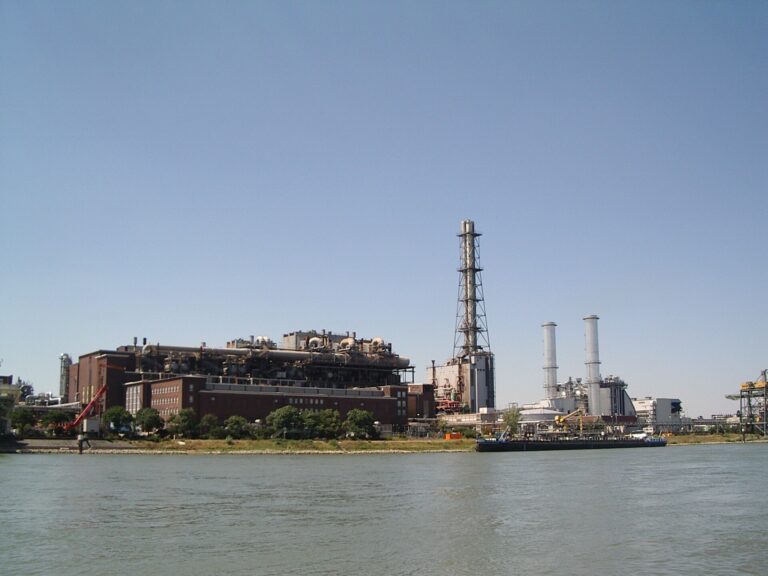
Three weeks after BASF made its move, it is still unclear whether Evonik will be sold. The numbers, the politics and the foundation holding the key.
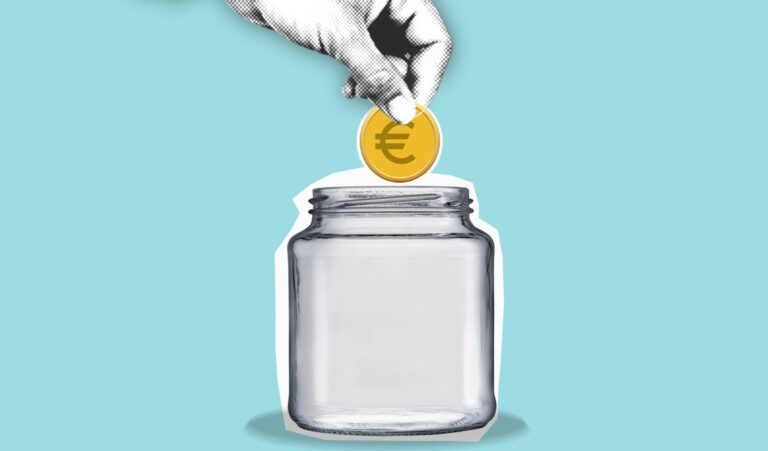
The Bundestag on Friday approved state-subsidised retirement provision from childhood. Children born from 2020 onwards receive ten euros a month, invested on the capital market.
Berlin and Paris agree a weaker 2035 rule for new cars in exchange for “Made in Europe” preferences. Nothing is law yet, and the SPD has set its own red line on the deal.
The Bundestag votes this Thursday on the reform of emergency care. Integrated emergency centres and a telephone initial assessment are intended to relieve overstretched emergency departments.

Neobroker Trade Republic plans to offer the state-subsidised Altersvorsorgedepot from 2027 completely free of charge – even fund costs are to be waived. Consumer advocates urge savers to look closely at the effective costs.

Germany and the EU keep their Russian diesel ban, and experts expect little change at the pump. Ukraine warns Moscow is getting fresh money.
The Cologne Administrative Court has ruled the Federal Network Agency's competition clause unlawful. For now, Deutsche Bahn does not have to free up tracks for rivals.

The Federal Ministry for Economic Affairs expects GDP growth of 1.3% in 2026 – significantly more than in spring. The upturn is driven by state investment, while private consumption remains weak.
China’s Cosco wants 80 per cent of a Hamburg haulier. Five ministries are reportedly opposed, but nothing has been officially decided and no ban is confirmed.

German Foreign Minister Johann Wadephul warned at the 8th German-Ukrainian Conference of Municipal Partnerships in Berlin that targeted Russian attacks on Ukrainian ports are threatening to ruin a third of the harvest. According to Ukrinform, global food security and the stability of entire regions depend on these exports.

The German government has presented a draft law to modernise cooperative law and make the legal form more attractive, with digital procedures and practical proposals at its core.

The German logistics group Deutsche Post has officially changed its name to DHL AG, reflecting its growing international focus.

The number of unemployed people in Germany remained above the three million mark in August. According to the Federal Employment Agency, the unemployment rate rose slightly to 6.5 percent.
Kyrgyzstan has initiated forced liquidation proceedings against 19 legal entities, the country's Ministry of Economy and Trade announced, according to Ukrinform.

Economist Veronika Grimm has dismissed the Left party's expropriation plans as an illusion and sharply criticized the reform policies of the black-red federal government. She warned of pressure on Germany's creditworthiness.
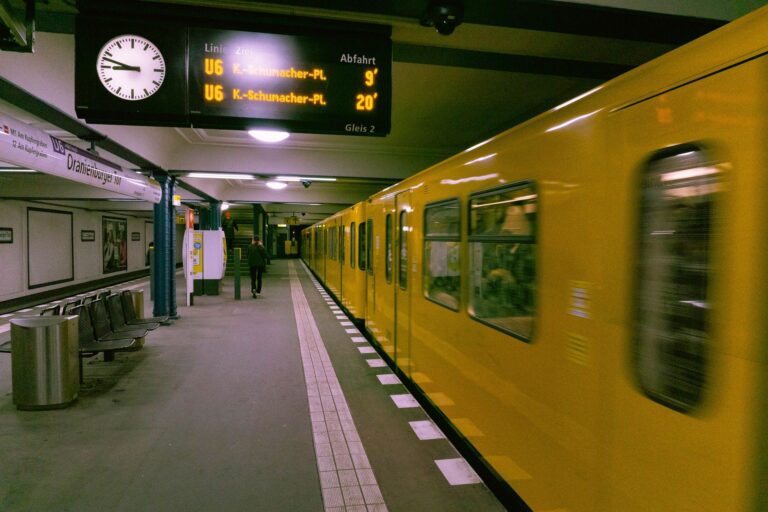
The German railway company Deutsche Bahn has offered support to keep supply chains running during low water levels. This was announced at a meeting of Federal Transport Minister Steffen Bilger with his state counterparts.
The DAX is expected to open nearly unchanged on Wednesday. According to Tagesschau, investors are mainly waiting for the latest US inflation data, which will be released at 2:30 PM.

The S&P 500 closed at a record high on Friday, driven by disappointing US labor market data. The index rose 0.6 percent, while the Nasdaq gained 1.3 percent.

Germany's Economy Minister Katherina Reiche (CDU) expects consumers and industry to benefit from significantly lower electricity prices only in the 2030s. She told the dpa news agency that noticeable relief would not come before then.

Demand for organic food continued to rise in the second quarter. Retail sales increased by 3.8 percent, according to the Federation of Organic Food Industry (BÖLW).

Inflation in Hesse rose to 2.7 percent in July – the first increase since March. According to the state statistical office, the main reason is higher prices for fuel and heating oil after tax cuts expired.
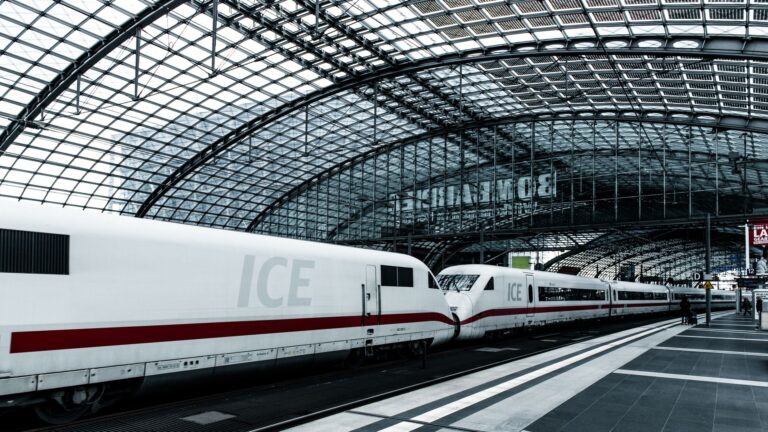
Germany's state-owned railway operator Deutsche Bahn (DB) reported a profit in the low hundreds of millions of euros for the first half of 2026, after a loss of around 760 million euros in the same period last year.
The Association of Statutory Health Insurance Physicians (KV) Rhineland-Palatinate has sharply criticized the federal government's healthcare reform. KV deputy Andreas Bartels warns of painful consequences for patients.
Renewed fighting in the Iran war has driven up oil prices and put Asian stock markets under pressure. The DAX is expected to start trading with losses.

The German government has abolished several bureaucratic obligations for businesses. As of July 24, 2026, the mandatory continuing education requirement for real estate agents will be lifted.
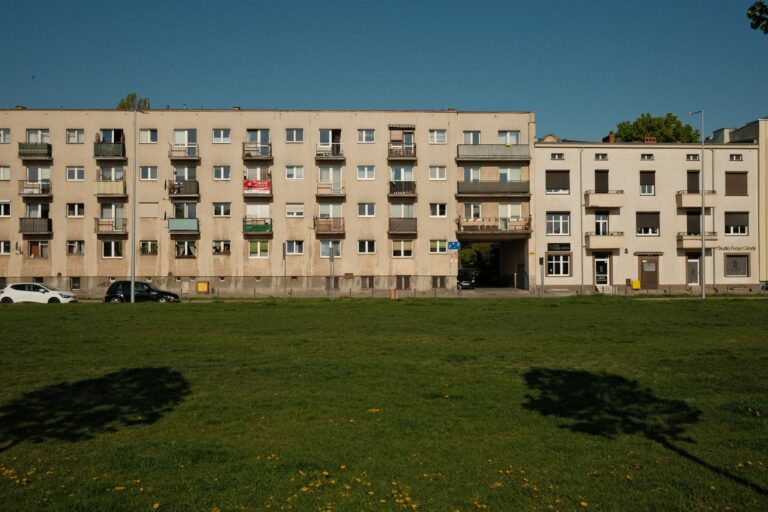
In Hesse, a federal housing corporation is seen as unnecessary. According to FAZ, the state already has capable companies building homes, such as in Frankfurt's Schönhofviertel, the largest new development quarter in Hesse.
German industry received more orders than expected in May, according to the Federal Statistical Office. Orders rose by 1.9 percent compared to the previous month.
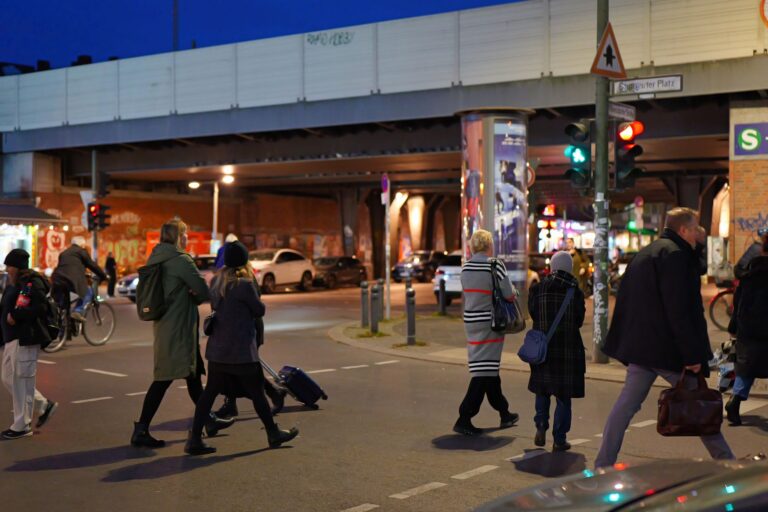
The neobroker Trade Republic is expanding its trading offering to 30 domestic and international exchanges and introducing automatic best-price execution, the company announced.

The defense startup Helsing can build a factory in Hallbergmoos near Munich. The community approved the project with a large majority, as Heise reports.

After hitting a record high on Friday, the DAX is expected to start the new week cautiously, according to Tagesschau. While US rate hikes are becoming less likely, the situation in the Middle East and concerns about the AI sector are dampening sentiment.

A new study by the German Economic Institute (IW) shows that buying and living in your own home in Germany is significantly less attractive financially than renting it out. The difference in returns over 15 years amounts to around 87,000 euros.
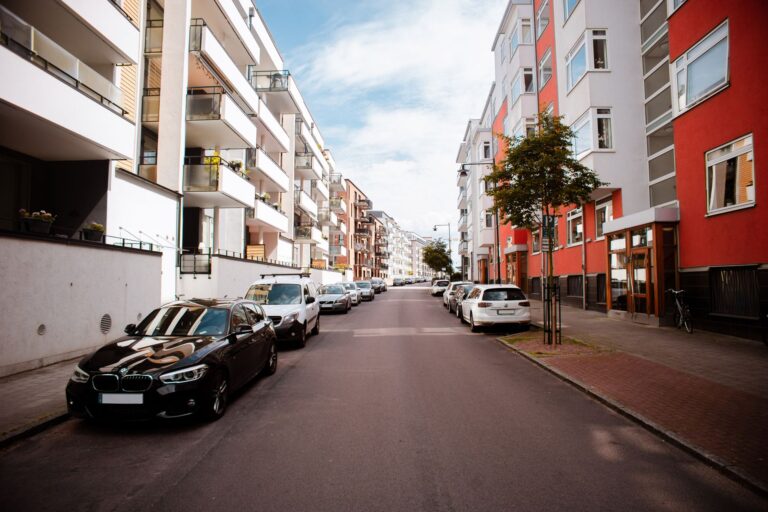
The pension commission has presented a reform proposal that critics say places the main burden on younger generations, failing to achieve intergenerational fairness.

The German government has presented a new income tax reform plan that will relieve 83 percent of taxpayers, with costs of around ten billion euros and implementation planned by 2028.

The US government has lifted export restrictions on Anthropic's AI models 'Mythos 5' and 'Fable 5'. The company announced it will restore access to the models.
Russia's economy is in crisis due to high interest rates, Ukrainian attacks, and internet restrictions, according to a forecast by the Vienna Institute for International Economic Studies (wiiw). However, financing the war of aggression against Ukraine remains unaffected.
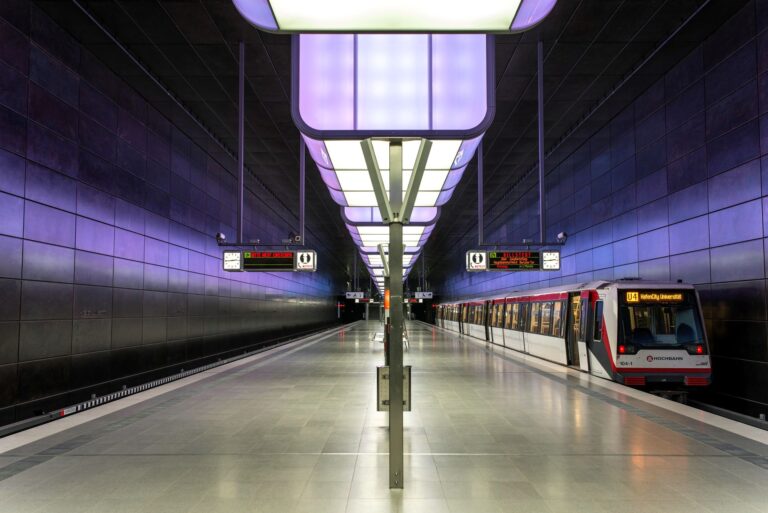
Germany's Federal Network Agency wants to break the monopoly of Deutsche Bahn in long-distance rail travel. The state-owned company must hand over at least a quarter of capacity on heavily used routes to rivals. The draft regulation aims to lower ticket prices and improve quality for passengers.

Cement consumption in Germany has dropped to levels not seen since before World War II, according to the head of the building materials industry association.

The struggling department store chain Galeria has secured a new multi-million euro loan, providing temporary relief. However, according to dpa, further cuts and store closures are looming – experts and unions view the situation with mixed feelings.