Bayer shares lead DAX: up six percent after glyphosate ruling

Bayer shares surged around six percent to about 52 euros by midday, topping the DAX index. A Deutsche Bank analyst comment and the spin-off of the glyphosate business boosted the stock.
Economic news on companies, work, consumer issues, markets and developments in Germany and Europe.

Bayer shares surged around six percent to about 52 euros by midday, topping the DAX index. A Deutsche Bank analyst comment and the spin-off of the glyphosate business boosted the stock.

CDU and SPD have agreed on a reform package for the housing market in the coalition committee. It aims at affordable new construction and blocking the socialization of private housing corporations in Berlin.

The German government has presented a new income tax reform plan that will relieve 83 percent of taxpayers, with costs of around ten billion euros and implementation planned by 2028.

Bayer has transferred its US glyphosate business to a newly created subsidiary called Ruveon, the company announced on Thursday. The move aims to better align the business with US market demands.

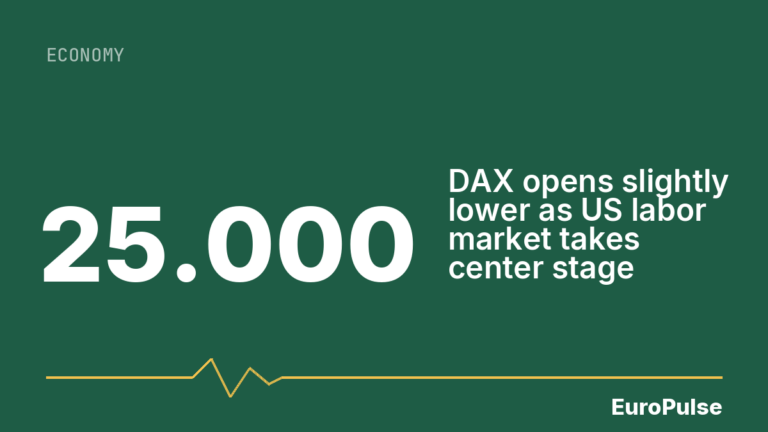
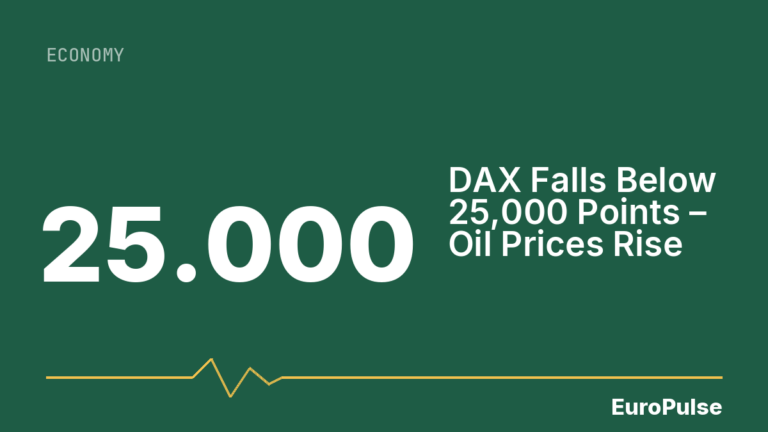
The DAX is expected to open slightly higher on Wednesday, holding above the 25,000-point mark. However, strong impulses are lacking, as Tagesschau reports, while US stock markets provided weak cues.

The Economic Committee of the Bundesrat has cleared the way for state-imposed price caps on fuel, as reported by the Rheinische Post.

In the first six months of the year, significantly fewer companies worldwide dared to go public. According to consulting firm EY, the number of IPOs fell by twelve percent compared to the same period last year.

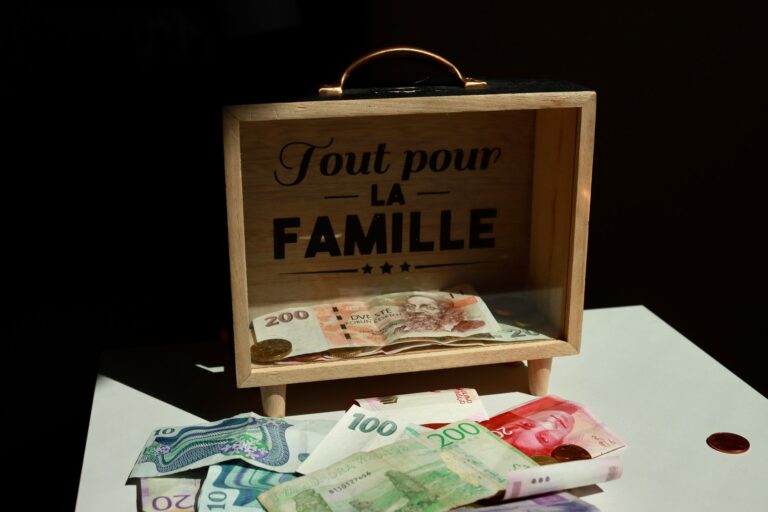
Sweden, a pioneer of the cashless society, now requires grocery stores and pharmacies to accept banknotes and coins again. The new law aims to ensure payment capability in crises and protect people without access to digital payments, according to dpa.

Inflation in the eurozone fell to 2.8 percent in June, according to Eurostat, below expert expectations.

An exclusive survey reveals that 60 percent of German companies plan to cut jobs at home and relocate production abroad by 2030.

The US government has lifted export restrictions on Anthropic's AI models 'Mythos 5' and 'Fable 5'. The company announced it will restore access to the models.

Russia's economy is in crisis due to high interest rates, Ukrainian attacks, and internet restrictions, according to a forecast by the Vienna Institute for International Economic Studies (wiiw). However, financing the war of aggression against Ukraine remains unaffected.

On the last day of the fuel discount, massive traffic disruptions occurred in North Rhine-Westphalia. Police had to direct traffic at several gas stations as drivers rushed to fill up on cheap fuel.
A survey by Welt reveals that 86 percent of respondents consider entrepreneurship in Germany unattractive, with structural problems and a lack of trust in politics weighing heavily on the Mittelstand.
Germany's Federal Network Agency wants to break the monopoly of Deutsche Bahn in long-distance rail travel. The state-owned company must hand over at least a quarter of capacity on heavily used routes to rivals. The draft regulation aims to lower ticket prices and improve quality for passengers.

Germany's Federal Network Agency plans to ease market access for private long-distance rail operators such as Italo. According to Handelsblatt, Deutsche Bahn would be allowed to use only 60 to 75 percent of capacity on busy routes.

The number of unemployed people in Germany fell by 15,000 to 2.936 million in June, the Federal Employment Agency reported. The unemployment rate fell by 0.1 percentage points to 6.2 percent.

Companies' price expectations fell for the second consecutive month in June, according to the Ifo Institute. This points to easing inflation, but there is no all-clear yet.

Investors are planning to take legal action against Portugal because their Golden Visa applications have been pending for years. A change to citizenship laws in early May has added to the frustration.

The fuel tax break on diesel and petrol ends on July 1. Currently, prices average €2.06 for Super E10 and €2.15 for diesel.

The pilots' union Vereinigung Cockpit (VC) has accused Ryanair of using unfair methods in ongoing collective bargaining. Members of the negotiation committee were allegedly subjected to disciplinary measures to pressure them.

South Korea plans to invest €569 billion in semiconductor factories and AI data centers to cement its global leadership. Lee Jae-myung announced the mega-package in Seoul.

The EU Commission sees evidence that the Netherlands gives priority to its state railway on congested tracks. It calls for more fairness for other rail operators.

The European Investment Bank (EIB) has granted Airbus a record loan of €3 billion to finance cutting-edge technology and defense solutions. It is the largest corporate loan the EIB has ever awarded to a single company.

The DAX rose 0.2 percent to 24,724 points at the start of trading on Monday. Investors are keeping an eye on developments in the Middle East and valuations in the tech sector.

Environmental group Greenpeace has accused the German government of introducing €11 billion in environmentally harmful subsidies this year, including a fuel discount, commuter allowance, and an aviation tax break.

The German Greens are pushing for electricity to be cheaper where it is generated, according to a resolution passed at the party's small party congress in Sassnitz.

The use of artificial intelligence is changing the labor market, but the head of the regional directorate of the Federal Employment Agency advises against scaremongering. Jobs in the IT sector still have a future, Markus Behrens told the German Press Agency.

Germany's major food retailers are lowering prices for branded coffee by up to ten percent, according to a survey by the German Press Agency.

The AI company Anthropic has introduced a new index that measures how strongly various occupations are already affected by artificial intelligence. The index is called 'observed exposure'.

Construction sites and disruptions at Deutsche Bahn are causing increasing difficulties for the economy, Deutschlandfunk reports.

The US government has lifted the block on Anthropic's AI model 'Mythos 5'. Commerce Secretary Lutnick said the company cooperated to address risks.

Cement consumption in Germany has dropped to levels not seen since before World War II, according to the head of the building materials industry association.

Uzbekistan's largest-ever initial public offering has raised more capital than all previous IPOs in the country combined, according to Euronews. The landmark deal shifts attention to how the nation will further develop its financial markets.

The heatwave in Germany is causing electricity prices to rise for companies on dynamic tariffs. In recent days, prices have temporarily exceeded 70 cents per kilowatt-hour.

Stefan Hartung is leaving the Bosch Group at his own request on June 30. Christian Fischer will succeed him.

The struggling department store chain Galeria has secured a new multi-million euro loan, providing temporary relief. However, according to dpa, further cuts and store closures are looming – experts and unions view the situation with mixed feelings.

Germany's labor market is shrinking. According to the Institute for Employment Research (IAB), employment is declining because the baby boomer generation is retiring and too few young workers are coming in.

Germany's financial regulator BaFin is investigating Zalando's consolidated financial statements for the past year, suspecting the online fashion retailer may have violated accounting rules.

German companies are planning the largest wave of job cuts since the coronavirus pandemic, according to a report by the ifo Institute. The Munich-based institute's employment barometer fell to 92.3 points in June.