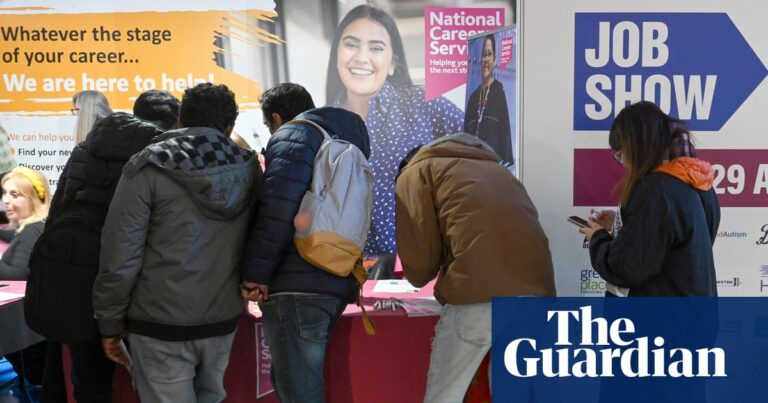
Fachkräftemangel in Germany Drops Due to Economic Weakness

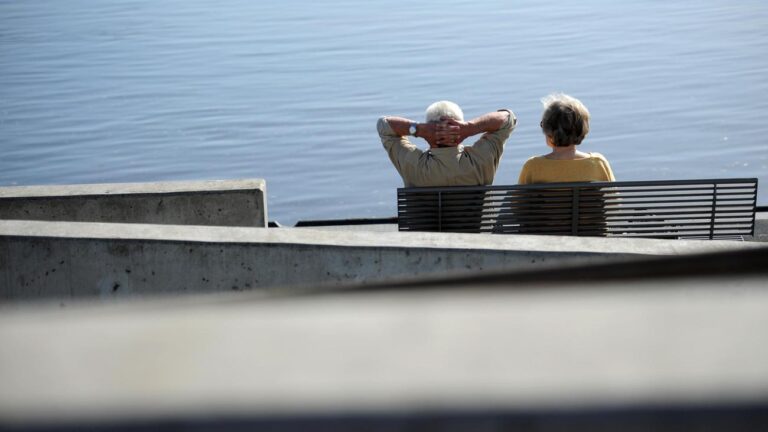
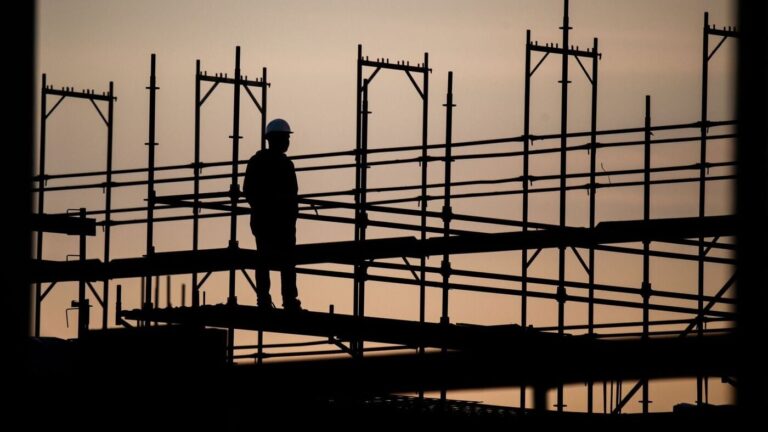
The shortage of skilled workers in Germany has more than halved since 2022. According to KfW bank, however, the reason is not a larger supply of labor but the weak economy.
Economic news on companies, work, consumer issues, markets and developments in Germany and Europe.

The shortage of skilled workers in Germany has more than halved since 2022. According to KfW bank, however, the reason is not a larger supply of labor but the weak economy.

Germany's financial regulator BaFin has taken steps to better protect retail investors from losses on turbo certificates. Stricter rules for providers of these risky products take effect Tuesday.

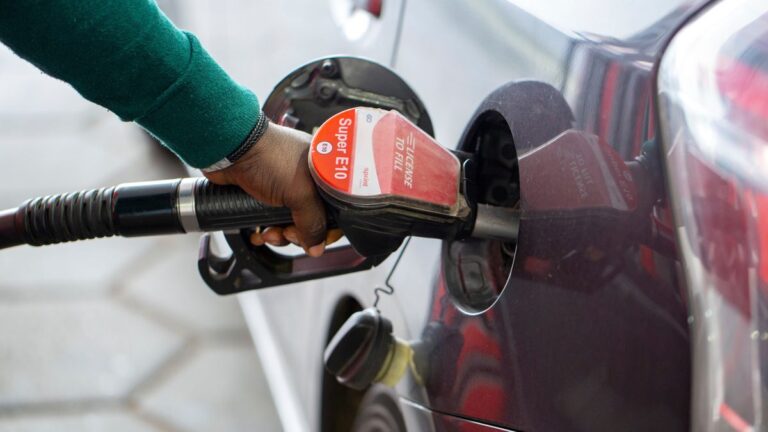
The fuel discount expires in two weeks. The Monopolies Commission, an independent advisory body to the German government, has taken a first stock and criticizes that the tax relief was not fully passed on to consumers.

The European Parliament voted on Tuesday to fully implement the controversial tariff agreement with the United States. According to Zdfheute, EU member states still need to give formal approval.

Tesla is preparing to launch its Cybercab robotaxi. New certification documents from the US Environmental Protection Agency (EPA) reveal a range of up to 669 kilometers, as reported by 24tv.

The Dutch bank ING plans to introduce four new tariff models for checking accounts that include subscriptions to Amazon Prime and Disney+. The move aims to make accounts more attractive by bundling non-banking services.

Fox Corporation announced on Monday its plan to buy streaming hardware maker Roku for $22 billion, aiming to expand its media reach.

Users of Germany's rail infrastructure cover only ten percent of the costs. This situation has led to a deadlocked debate over financing and track access charges.

The Reserve Bank of Australia (RBA) left its key interest rate unchanged at 4.35 percent on Thursday, as expected. The decision follows three consecutive rate hikes in 2026, with economic activity slowing and unemployment hitting a four-year high.

The SpaceX division xAI has definitively failed with a lawsuit against OpenAI over alleged trade secret violations. A US federal district court dismissed the case for the second time, as reported by Heise.

The US strategic petroleum reserve has dropped to its lowest level in four decades due to the war against Iran. The Trump administration tapped the emergency reserves to curb soaring gasoline prices, according to Spiegel.

The German government has agreed with tank manufacturer KNDS on the details of a state entry. The company has thus cleared a major hurdle on its way to the stock exchange.

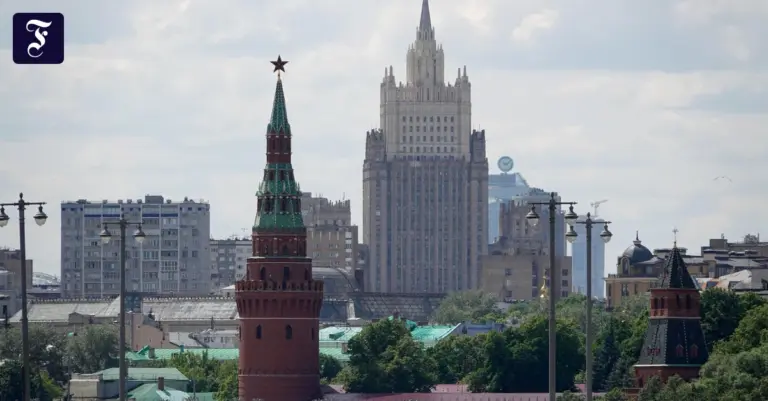
In July, the EU Commission plans to decide on increasing CO₂ emission costs for industry. According to FAZ, the plan is driving a wedge through the German economy.

In the takeover battle for Commerzbank, Italian banking giant Unicredit is escalating the conflict: it is openly threatening to replace the supervisory board and the management board of the German institute, Handelsblatt reports.

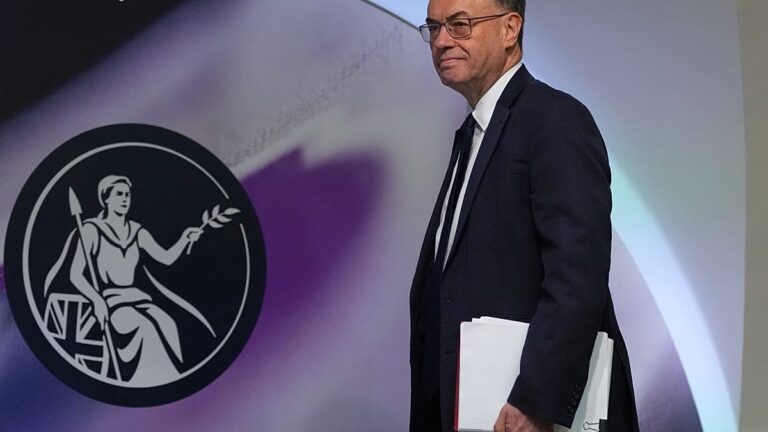
Despite an inflation rate of over three percent in May, the Bank of England (BoE) is not expected to raise its key interest rate. According to the FAZ, Governor Andrew Bailey is hesitating because of the energy price shock.

The DAX opened more than 400 points higher on Monday, reclaiming the 25,000 mark after the US and Iran reached a framework agreement, as Handelsblatt reports.

The US government has ordered AI company Anthropic to shut down its latest model, Claude Mythos Preview, over fears it could be used as a cyber weapon.

The European Central Bank (ECB) has initiated a rate turnaround, as reported by WELT. For savers, this marks the start of a phase with higher interest earnings.

The German Railway and Transport Union (EVG) warns that 16 cities could lose their ICE and IC connections if Italy's Italo enters the German market in 2028. This is according to a union analysis obtained by Bild am Sonntag.

More than 90 rail projects could stall due to insufficient federal funds, according to a government response to a Green Party inquiry. The Allianz pro Schiene alliance calls for adjustments in the 2027 budget.

Bundesbank President Joachim Nagel has spoken out in favor of a temporary and targeted relaxation of EU debt rules on Deutschlandfunk radio. The reason is the Iran war, which requires additional spending.

The retirement of the baby boomer generation will hit the German labor market harder than previously assumed, according to a study by the German Economic Institute (IW). By 2036, more than four million workers will be missing.

The UK competition authority CMA is investigating whether Ryanair charges parents extra to sit next to their children. German consumer advocates call the fee an 'absolute outrage' and demand a rethink.

By 2036, Germany could be short around 4.3 million workers, warns the German Economic Institute (IW) in a new analysis. The reasons are weaker population growth and the aging baby boomer generation.

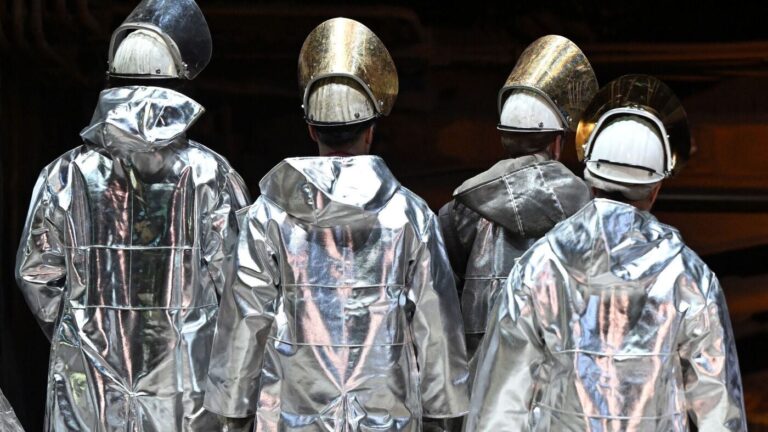
Thousands of steelworkers in Saarland and Berlin have taken to the streets, fearing for their jobs as the industry faces economic headwinds.

The US government has approved the acquisition of Warner Bros. Discovery by Paramount Skydance. According to the Süddeutsche Zeitung, the approval comes without conditions.

The European Commission plans to gradually reduce imports of Alaska pollock from Russia, which could drive up prices for fish sticks and gourmet fillets in Germany.

Finance Minister Lars Klingbeil (SPD) plans to tax Bitcoin and other cryptocurrencies differently in the future. Whether he has a majority in the Bundestag for this remains unclear.

Electric cars can soon not only charge but also feed electricity into the home grid. According to Handelsblatt, first offers for bidirectional charging are on the market, with more to follow.

SpaceX shares opened nearly 30 percent higher on the Nasdaq on Friday – the largest IPO in history. According to Zeit, the stock was indicated at more than $174.

The number of corporate and consumer insolvencies in Germany increased in the first quarter of 2026, according to the Federal Statistical Office.

A landlord in Saarbrücken has failed in court with a rent increase of nearly 20 percent. The Saarbrücken District Court declared the demand invalid, as reported by the FAZ.

The US and Central Asian states want to boost investments in critical minerals. According to Euronews, a Trump envoy delivered the message to Kazakhstan's President Tokayev.

Deutsche Bank, US bank Citi and Swiss bank UBS have been mandated to prepare a possible stock market listing of Uniper, according to Handelsblatt. The three institutions are to act as global coordinators for the gas group's return to the stock exchange.

Christian Bruch, CEO of Siemens Energy, warns that Germany risks losing its competitive edge in building data centers, with consequences for national prosperity. He calls for rapid expansion of digital infrastructure.

Germany's inflation rate fell to 2.6 percent in May, driven by a temporary fuel tax cut, the Federal Statistical Office reported. But the relief at the pump ends in late June.

The extension of Frankfurt's U5 subway line into the Europaviertel district is expected to cost 72 million euros more than previously budgeted, according to the city's light rail development company.

US Donald Trump has called off the planned attack on Iran, boosting stock markets. The DAX is expected to open significantly higher today.

The logistics group DHL targets an annual revenue of three billion euros from renewable energy logistics by 2030 – a fivefold increase from current levels. The company announced this at its own conference, as reported by FAZ.

The European Central Bank (ECB) has raised its deposit rate by 0.25 percentage points to 2.25 percent. ECB Christine Lagarde said the rate step is robust in three scenarios, as reported by Euronews.