Tensions in the Middle East are at an unprecedented high as Iran and Israel engage in a fierce exchange of missile and bomb strikes. Reports of explosions in Gulf states add to the growing unrest. The military confrontations show no signs of de-escalation, raising concerns about a worsening conflict. In this volatile environment, former President Donald Trump has indicated that both he and Iran are interested in finding a resolution to the conflict. However, this contrasts sharply with the stance of Israeli Prime Minister Benjamin Netanyahu, who remains committed to military action and dismisses the possibility of a peaceful solution.
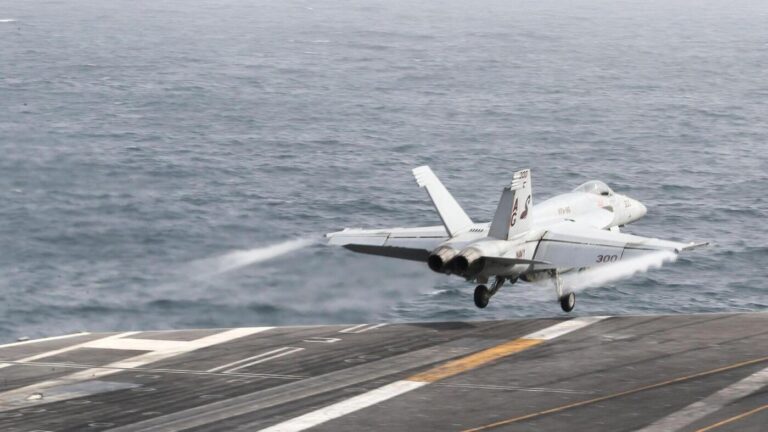
Recent attacks on Tehran have caused significant damage in the Iranian capital, disrupting power supply in various areas. Reports suggest that drones have been intercepted, further escalating tensions. As the United States increases its military presence in the region, the critical question remains: how long will the warring parties continue their aggressive actions? The geopolitical situation could further deteriorate, and international markets are already reacting to the uncertainties. A report from the Wall Street Journal indicates that Trump is considering a pause in U.S. military operations against Iran, yet the military confrontations persist.
The next steps in this conflict remain uncertain. It is unclear whether diplomatic efforts will yield results or if the situation will continue to spiral out of control. The region watches closely, as civilians bear the brunt of the ongoing hostilities. With each new escalation, hopes for peace are increasingly overshadowed.