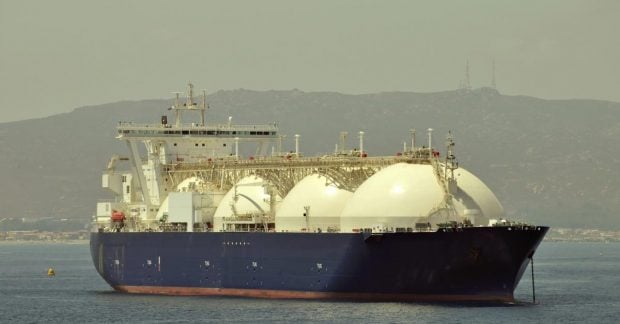
According to the Financial Times, Iran has set a tariff of 1 US dollar per barrel of oil for passage through the Strait of Hormuz. However, tankers that are empty can continue to pass through free of charge. This measure could have significant implications for international oil trade, as the Strait of Hormuz is one of the most important waterways for the transport of crude oil.
The decision to accept payments in Bitcoin could also be interpreted as an attempt by Iran to detach itself from traditional financial systems and mitigate the impact of sanctions. Bitcoin and other cryptocurrencies offer a way to conduct transactions anonymously and without the need for an intermediary financial institution.
The Strait of Hormuz is a strategically important maritime route through which a significant portion of global oil transport occurs. It is estimated that about 20 percent of the global oil trade passes through this waterway daily. Control over this route is therefore of great geopolitical significance.
The Iranian government has repeatedly emphasized in the past that it is prepared to defend its interests in the region. The introduction of fees for passage could be seen as part of a broader strategy to increase pressure on international markets and stabilize its own economy.
Reactions to this announcement are mixed. Some experts warn of potential tensions in international trade, while others view the measure as another step in the development of the Iranian financial system.
The situation remains tense, and it remains to be seen how other countries and companies will respond to these new requirements. The development could also impact oil prices and global energy security.