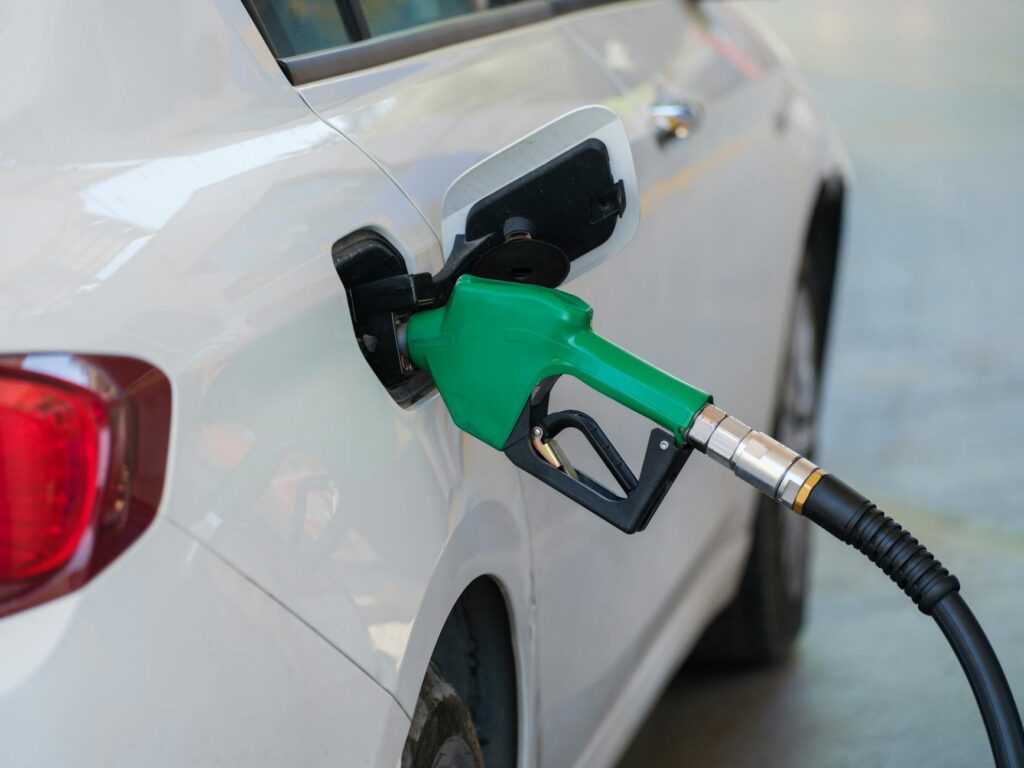
German drivers are facing a sharp spike in fuel prices, hitting millions of commuters and motorists directly in their wallets. In response, the federal government has stepped in with a concrete measure aimed at slowing the surge and increasing transparency.
Under the new rules, gas stations will only be allowed to raise their fuel prices once per day. The cabinet cleared the way for this legal regulation on March 11, while price reductions can still be made at any time. The goal is to break the so-called "rocket and feather effect," where prices shoot up rapidly when crude oil costs rise but fall slowly when they drop.
This move comes against the backdrop of a roughly 30 percent surge in global oil prices, driven by the Iran-Middle East conflict and the blockage of the crucial Strait of Hormuz shipping route. The increased crude costs are immediately reflected at the pump, straining both consumers and the economy.
Previously, gas stations could adjust their prices up to 22 times a day—a practice many drivers found opaque and hard to track. The new regulation is modeled on a system that has been successfully used in Austria for 15 years. It aims to provide more predictability and prevent consumers from being caught off guard by price jumps within just a few hours.
Alongside the transparency measure, the German government plans to release part of its strategic oil reserves to ease additional market pressure. Officials are working urgently to implement the changes, with drafting assistance for the legal amendment being prepared immediately to fast-track parliamentary deliberations.
The situation remains tense not only in Germany but also in many partner countries like Japan and South Korea, which heavily rely on oil supplies from the region. For German consumers, however, the new rule offers tangible relief: it gives them more control over their fuel expenses and reduces the need to brace for unpredictable price fluctuations.