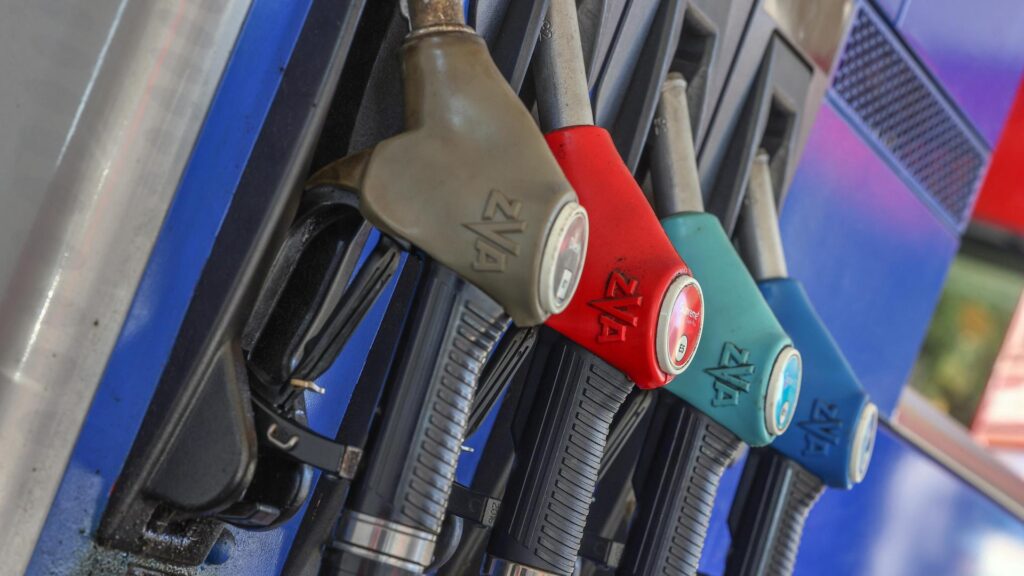
As reported by Deutschlandfunk, the high fuel prices are apparently affecting people's refueling behavior. This is suggested by sales figures from gas stations published by the Bavarian State Office for Statistics. According to the data, the turnover of Bavarian gas stations nominally increased by six percent compared to the same month last year. However, adjusted for the increased prices, it fell by 8.1 percent.
The development indicates that motorists in Bavaria are demanding less fuel. Prices at the pumps had recently risen to a high level. According to the ADAC, a liter of Super E10 temporarily cost over two euros nationwide. Diesel also became significantly more expensive.
The statistics from the Bavarian State Office record the sales of gas stations in the Free State. The price-adjusted decline of 8.1 percent is an indicator of the actual sales of gasoline and diesel. Experts see this as evidence of consumers' price sensitivity. When fuel prices rise, people drive less or switch to more fuel-efficient vehicles and alternative modes of transport.
The high energy prices overall are burdening private households. In addition to fuel prices, the costs for heating oil and natural gas have also risen. The federal government had attempted to relieve citizens with a fuel discount and the 9-euro ticket. Whether these measures influenced the trend cannot be directly deduced from the Bavarian data.
Deutschlandfunk points out that the sales figures only provide an initial indication. A detailed analysis of consumption behavior is still pending. However, the development in Bavaria could be a harbinger for the entire German market. If the trend continues, it could have an impact on the CO2 balance of the transport sector. Less fuel consumption means lower emissions – a goal of climate policy.
Critics complain that the high prices primarily affect people with low incomes. They are more dependent on cars and can less easily switch to alternatives. Policymakers face the challenge of reconciling climate protection and social justice.
The Bavarian data is further evidence that the market reacts to price signals. Whether consumers will change their mobility behavior in the long term remains to be seen. The coming months will show whether fuel consumption will permanently decline or only react short-term to the high prices.
Source: www.deutschlandfunk.de