Who is actually negotiating peace in Ukraine, and who is merely watching? After the “Coalition of the Willing” met at the Chancellery in Berlin, the answer is a little clearer: Europe wants a permanent seat at the table, and both Washington and Kyiv back that. Whether Moscow will play along is still open. As of Thursday evening, 19 November.
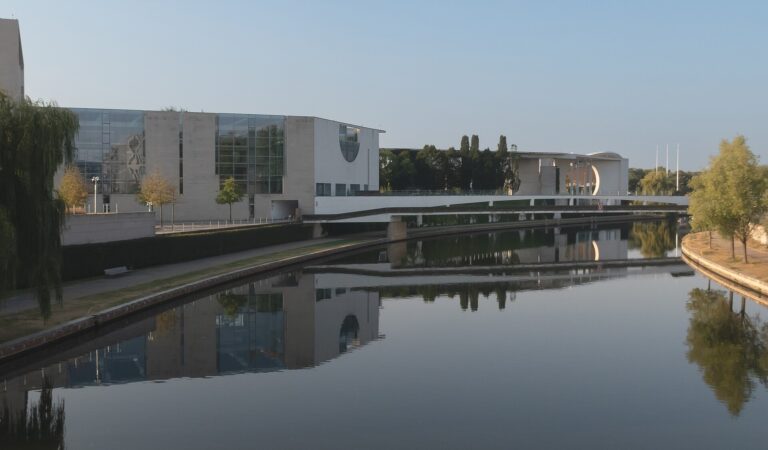
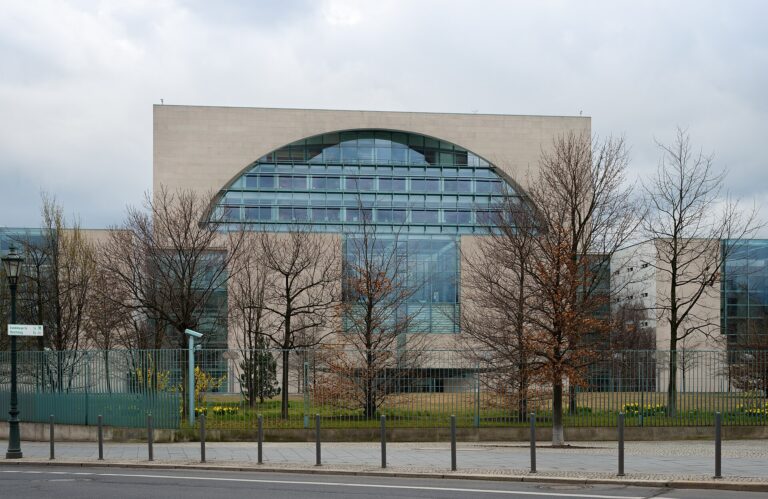
Chancellor Friedrich Merz hosted delegations from nearly 40 states plus the heads of the EU and NATO, according to the German government. DW counts 36 countries, 26 of them represented by heads of state or government; the figures differ by source. US negotiators Jared Kushner and Steve Witkoff also appeared unexpectedly at the press conference.
Three outcomes, no final declaration
The reports available do not mention a joint communiqué. According to dpa, Merz listed three outcomes. First, money: broad backing for the European Commission’s proposal of an extra €45 billion for 2027. Taz reports it is split into €20 billion in financial aid and €25 billion in military aid; Hungary, Czechia, Slovakia and Bulgaria oppose it. A decision is due at a special EU summit next week.
Second, the negotiating table. Europeans want to take part in talks between Russia, Ukraine and the US, preferably on neutral ground. Merz warned: “A Yalta format will not bring peace.” Volodymyr Zelensky had cautioned before the summit against a “second Yalta”, an order decided over the heads of those it affects. Third, security guarantees: Berlin speaks of “robust and legally binding” guarantees after a ceasefire, including a Multinational Force Ukraine. A first exercise with Bundeswehr participation is under way in Poland.
Kushner said, as reported by DW, that President Donald Trump has “no intention of imposing anything unilaterally” and wants to proceed together with Europe and Ukraine. According to Ukrinform, he also said Moscow had agreed to a format with European participation and that NATO would be “a central pillar” of any settlement. Emmanuel Macron added that the question of Ukraine’s NATO membership must be “reopened” given Russia’s maximalist positions.
Moscow’s signals do not add up
This is the contradiction of the evening. Kushner presents Russian consent as progress. Putin, after the three-way meeting with Trump and Xi in Shenzhen, said instead that the American side is pressing Russia to accept the inclusion of Europeans, while inviting them to Moscow for “sounding out”. Dpa speaks of “contradictory signals”. Merz called the Shenzhen meeting “apparently mainly a photo opportunity”.
Stefan Meister of the German Council on Foreign Relations is sceptical: “I think it’s all hot air,” he told DW, adding that there is “no movement on the Russian side”. Foreign Minister Johann Wadephul told the broadcaster Germany is also preparing for the talks to fail and intends to keep supporting Ukraine through the winter and militarily.
Our assessment, with caution: the evening strengthens Europe’s negotiating hand without bringing the war closer to an end. A seat at the table is worth something only if Moscow accepts it. In the coming weeks a dispute over format and venue is likelier than a breakthrough. The first hard test is the EU summit on the €45 billion package, because without money even a seat at the table stays weak.
Earlier coverage: Merz offers Moscow sanctions relief in return for a ceasefire.
Sources: Bundesregierung, DW, dpa, taz, Ukrinform