Bürgergeld is gone. Since 1 July 2026 the benefit has been called Grundsicherungsgeld, and the new name comes with noticeably tougher rules for dealings with the Jobcenter. According to the federal government, the Bundestag passed the law on 5 March and the Bundesrat approved it on 27 March; it took effect “step by step”. Here is what claimants should know.
Do I need to reapply? No. The Federal Employment Agency says existing claimants need no new application, keep their case worker and continue any training under way. Decisions are being adapted, and letters may still say “Bürgergeld” for a while; they remain valid. One thing does not change: when your approval period ends, you must file a Weiterbewilligungsantrag, an application to continue.
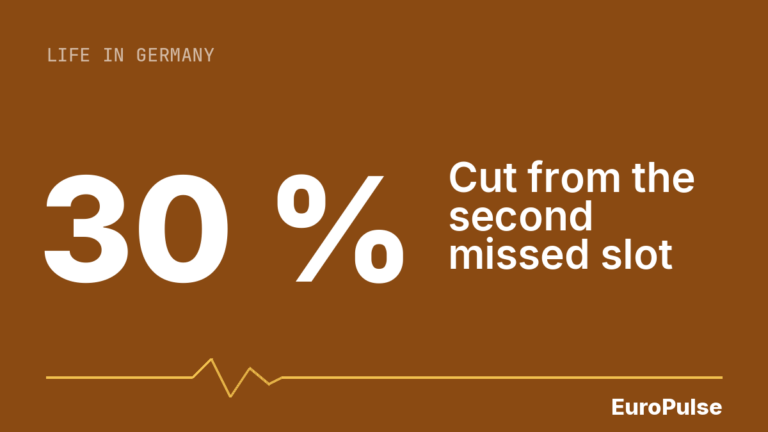
What if I miss an appointment? The first missed appointment has no consequences. From the second one without good reason, the standard rate can be cut by 30 per cent for one month. After three consecutive missed appointments, entitlement can lapse altogether, which the government says includes housing costs. Our reading: the biggest practical risk is not unwillingness but unread post. Anyone who moves or rarely checks the letterbox should give the Jobcenter their address immediately.
When can payments be cut? For breaches of duty, such as failing to apply for jobs or dropping a programme, the standard rate can fall by 30 per cent for three months. Refusing reasonable work can mean losing the standard rate for at least one month, and two months in total at most. The cooperation plan is now more binding: the mediation procedure has been scrapped and compliance can be enforced by a formal administrative decision.
What about families? Parents can be expected to seek work once a child is 14 months old, provided childcare is secured. The threshold used to be the child’s third birthday. Job placement takes priority again, with training coming second, especially for people over 30.
Savings and rent? The one-year grace period for assets is gone, and protected savings now depend on age; the official pages give no euro figures. Housing costs are capped at 1.5 times the local appropriateness limit, with exceptions possible, for example for families with children. How this works after the first year is not clear from the published material. Standard rates were frozen in 2026 at about €563 for single adults; the pages we checked give no 2027 figure.
Ukrainian refugees? The official pages do not address this. If you receive benefits under Section 24 of the Residence Act, ask the Jobcenter or a migration advice service which rules apply in your case, and get answers in writing.
Sources: Federal Employment Agency, Federal Government, Federal Government: standard rates