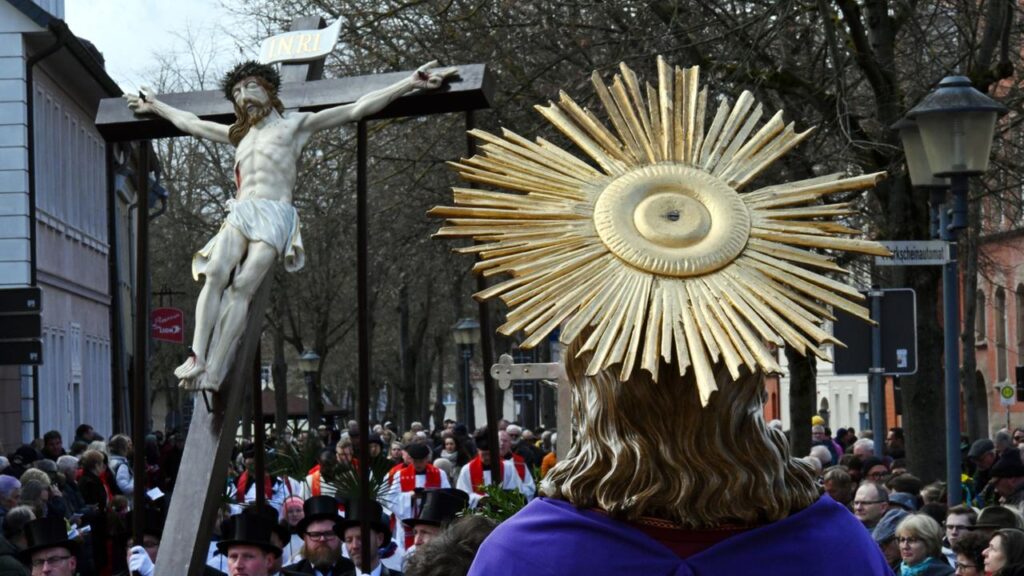
Easter is the cornerstone of the Christian faith, celebrating the resurrection of Jesus Christ. It embodies the hope for life after death and marks the conclusion of Lent. Each year, the date shifts, leading to confusion for many. The timing is determined by the first full moon following the spring equinox, resulting in Easter being celebrated between March 22 and April 25.
Traditions such as the Easter bunny and decorated eggs have roots in ancient pagan customs, which were gradually incorporated into Christian celebrations over the centuries. The bunny, a symbol of fertility, represents new life, while eggs are often seen as symbols of resurrection. These customs add a festive spirit to the holiday that extends beyond its religious significance.
The "Holy Week" surrounding Easter, beginning with Palm Sunday and culminating in Easter Sunday, is marked by reflective worship. Many churches hold special services to commemorate the final days of Jesus. Palm Sunday, which celebrates Jesus' entry into Jerusalem, signals the start of this important week.
Easter holds not only religious but also cultural significance. For many in Germany, the holiday is a time to gather with family and uphold various traditions. Activities like exchanging chocolate eggs and dyeing eggs are popular, enhancing the anticipation for the festivities.
In summary, Easter is more than a religious event; it is a celebration that unites community, tradition, and the hope for new beginnings. In a time when many seek meaning and connection, Easter remains a vital anchor in both Christian and cultural identity.