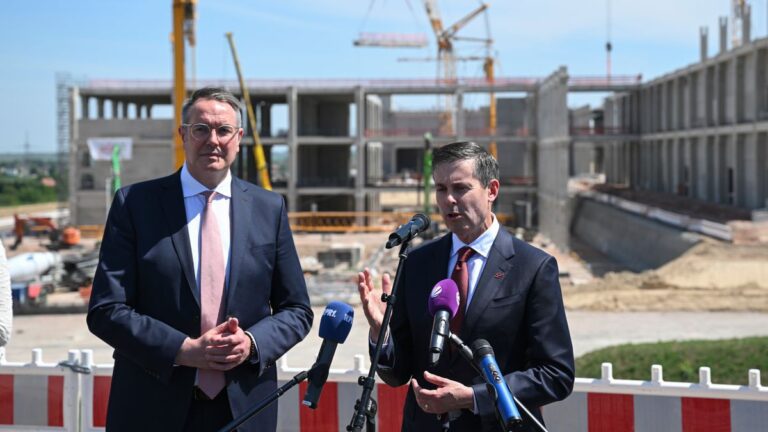
The managing director of the Energy Agency has addressed the concerning state of infrastructure in Germany in a recent statement. According to experts, the inadequate infrastructure could have not only short-term but also long-term consequences for the energy supply and economic stability of the country. "We will feel the effects for many months – if not years," emphasized the Energy Agency chief, calling for urgent measures to improve the existing systems.
The infrastructure essential for energy supply shows significant deficiencies in many areas. This concerns both the physical infrastructure, such as lines and facilities, as well as the digital infrastructure necessary for the control and monitoring of energy flows. Experts warn that ongoing problems in the infrastructure could lead to increased vulnerability to disruptions, negatively impacting supply security.
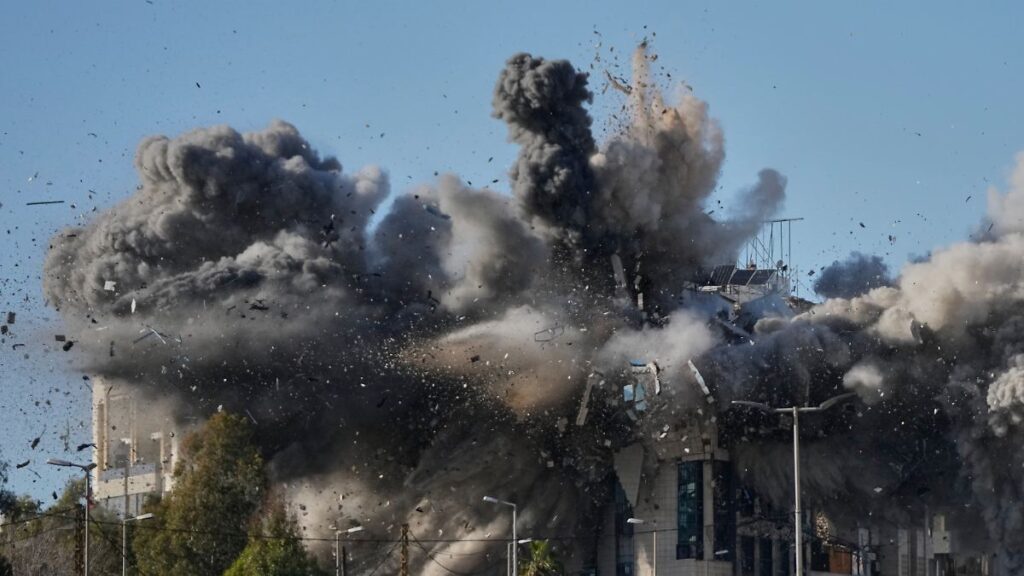
In recent years, there have already been several incidents that pointed to the weaknesses of the infrastructure. Various regions experienced power outages attributed to technical defects and insufficient maintenance. These events have not only disrupted the daily lives of citizens but also resulted in economic losses for businesses.
The Energy Agency has also highlighted the need to invest in modern technologies to enhance the efficiency and reliability of energy supply. Innovative solutions, such as smart grids and renewable energies, could help mitigate existing problems and reduce dependence on fossil fuels.
In addition to the technical challenges, the Energy Agency chief also sees political and societal hurdles that must be overcome to achieve sustainable improvements in infrastructure. "It requires a joint effort from politics, business, and society to make the necessary investments and create the framework conditions needed for a future-proof energy supply," said the managing director.
The discussion about infrastructure is particularly significant in light of the current energy crisis. Experts warn that the problems in the infrastructure could exacerbate the effects of the crisis. In this context, the situation in other countries has also been referenced, where similar issues have led to massive bottlenecks and supply problems.
The Energy Agency will conduct further analyses and develop recommendations for action in the coming months to improve infrastructure. The results of these investigations are intended to help set the course for a sustainable and reliable energy supply in Germany. Given the current challenges, it is crucial to address these issues.