The EU-Mercosur trade agreement is at the heart of a crucial dialogue surrounding future trade relations. As businesses and governments await its implementation, there are growing concerns about the potential opportunities and challenges it presents. Experts caution that geopolitical tensions and rising global protectionism could influence the agreement's effectiveness.
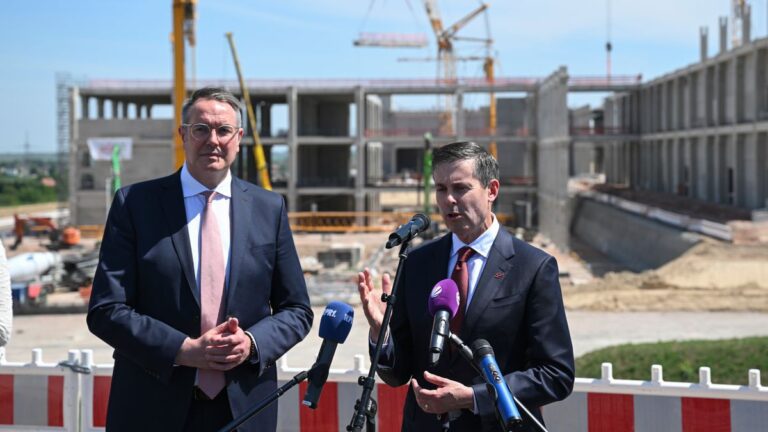
During a prominent trade forum organized by the German Economic Institute (IW) and other institutions, the possible legal and economic repercussions of the agreement were explored. The event aimed to foster dialogue between the business community and policymakers to better understand the strategic implications. Alexander Radunz and Sandra Parthie from IW highlighted that the agreement could not only enhance trade between Europe and South America but also open new markets for European companies.
A recent analysis by Qatar National Bank (QNB) suggests that the agreement could bring substantial economic benefits to both regions. The report notes that the deal might serve as a counterbalance to the increasing global protectionism observed in recent years. QNB views the collaboration between these regions as an opportunity to diversify trade and unlock new growth prospects.
However, the uncertainties stemming from geopolitical conflicts and economic turbulence cannot be overlooked. Experts are calling for a proactive approach to manage potential risks while maximizing the agreement's advantages. The discourse around the EU-Mercosur trade agreement will be critical in the coming months as businesses prepare for the new regulatory landscape. The forum provided valuable insights into the challenges and opportunities the agreement may present, and how companies should gear up for the changes ahead.