Despite the sanctions against Russia, the EU continues to import Russian ammonia – legally on the basis of an “EU special quota” of 700,000 tonnes per year. That is reported by tagesschau.de, citing research by SWR published on Monday, 2 November.
According to the report, the tanker “Eco Sorcerer” again reached the chemical port of Antwerp on 5 October. SWR film footage shows it docking in a port area used jointly by BASF and the company EuroChem. On board: more than 20,000 tonnes of Russian ammonia. Ten days earlier, the cargo had been loaded at EuroChem’s terminal in the Russian port of Ust Luga, the report says, citing satellite data analysed over several weeks. These also showed that the shipments are taking place continuously.
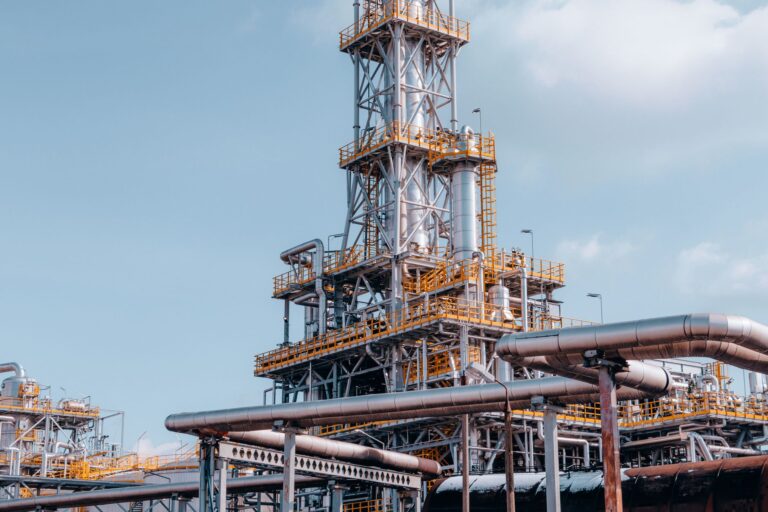
Worldwide, ammonia is regarded as a raw material primarily for fertiliser production and is made from natural gas. While natural gas is being sanctioned ever more heavily, Russia has expanded ammonia production, including port facilities and transport routes, with billions in investment, according to SWR – following a 2014 strategy paper by the Russian Energy Ministry that envisages a massive increase by 2030.
The sanctions expert Benjamin Hilgenstock of the Kyiv School of Economics told SWR: “Russia is systematically trying to adapt to sanctions.” In this case, he said, the country can “export its energy resources indirectly and thereby generate revenue, even if direct exports are increasingly restricted”.
According to a 2025 motion, the European Parliament actually wanted to stop this trade, but Russia-friendly MEPs repeatedly negotiated “painful compromises”, the Luxembourg MEP Isabel Wiseler-Lima (Christian Democrats) told SWR. In the end, the special quota was adopted. “That cannot be satisfactory, absolutely not. We have to get to a situation where not a single cent more flows to Russia,” Wiseler-Lima said.
According to SWR research, the imports run through EuroChem, one of the world’s largest producers of raw materials for fertilisers, with subsidiaries in Antwerp and in Germany. Founder Andrey Melnichenko has been on the EU sanctions list since shortly after the Russian attack in 2022; the justification describes him as one of Russia’s most important oligarchs, who supports Putin and the war against Ukraine. The company itself is not sanctioned – Melnichenko transferred his company shares, worth several billion euros, to his wife in 2022. In Russian media, he still appears as the person responsible for EuroChem.
According to SWR, EuroChem also supplies Russian military companies with nitric acid for explosives production; this emerges from financial reports. A report by the Estonian intelligence service from spring 2026 attributes a key role to EuroChem in the production of raw materials for the Russian explosives industry. Hilgenstock demands: “All companies that make a substantial contribution to the Russian war economy should be sanctioned and all transactions with them prohibited.” The European Commission left an SWR enquiry about EuroChem and EU sanctions unanswered by the editorial deadline, as did the Russian EuroChem headquarters with a list of questions.