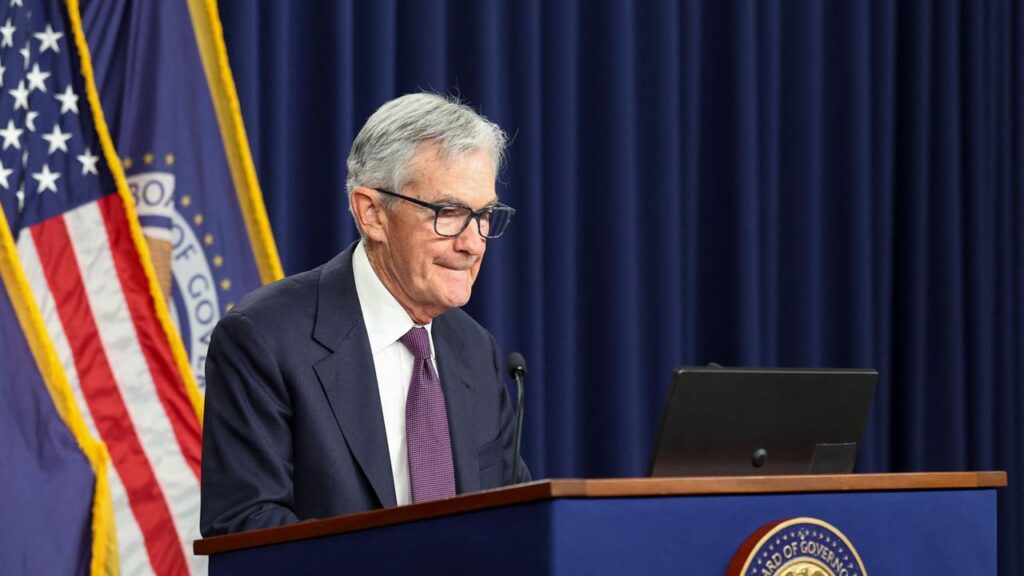
Hopes for imminent interest rate cuts in the U.S. are fading. The Federal Reserve has once again kept its key interest rate stable, signaling that combating inflation in an uncertain world takes precedence. The key interest rate remains in the range of 3.50 to 3.75 percent. This is already the second pause in a row, after the Fed lowered interest rates three times last year. The decision comes amid a tense geopolitical situation: the conflict in the Middle East and the resulting rising oil prices are weighing on the economy. “The effects of developments in the Middle East on the U.S. economy are uncertain,” the Fed stated in its announcement. This uncertainty makes it difficult for the central bank to plan its course. An easing of monetary policy too soon could reignite inflation, which, despite progress, is not yet fully under control.
For consumers and businesses, the decision carries clear consequences. Loans remain expensive, mortgage rates high, and savings accounts continue to be attractive. The American economy must brace for a prolonged period of higher interest rates.
The Fed faces a difficult balancing act. On one hand, it does not want to choke the economy with excessively high rates; on the other, it cannot abandon the fight against inflation too early. Current data show that price increases are easing, but the risk of a resurgence remains real.
International observers are closely monitoring the developments. U.S. monetary policy influences financial markets and currencies worldwide. A stronger dollar due to higher rates makes American products more expensive abroad, which could impact trade.
What comes next? The Fed will continue to make data-dependent decisions. Every new inflation figure, each labor market report, and any developments in the Middle East will be analyzed meticulously. The next meeting in December will reveal whether this course further solidifies.
For investors, this means: the era of cheap credit is over. Portfolios must be adjusted for a world with higher interest rates. Companies will need to plan investments more carefully as financing costs rise.
The Fed’s decision reflects how much global events shape national economic policy. A war thousands of miles away now influences how expensive a home loan is in the U.S. In an interconnected world, there are no more isolated decisions.
The impact of developments in the Middle East on the US economy is uncertain
Tagesschau