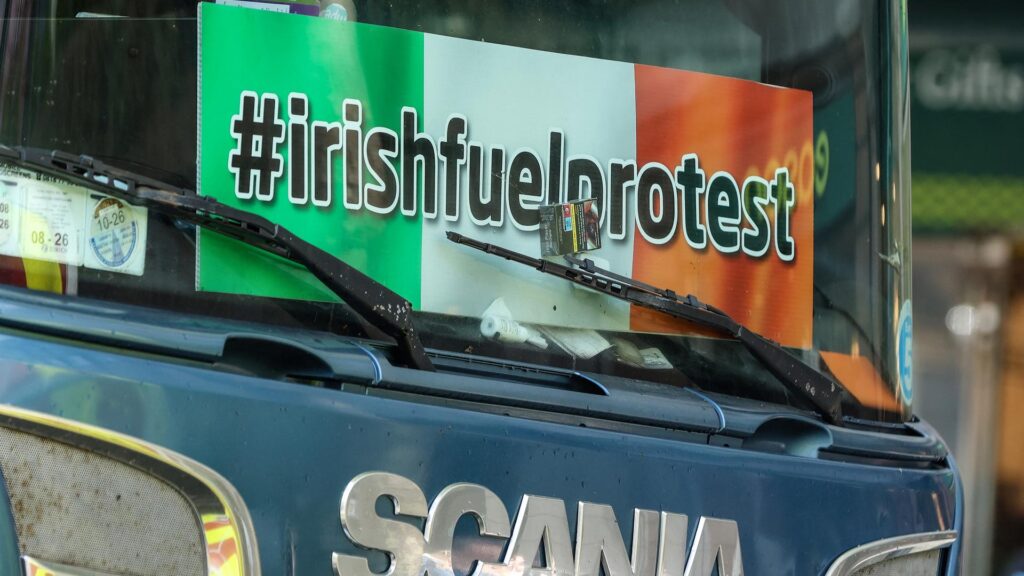
As Deutschlandfunk reports, the Irish government has taken a recent measure to further reduce fuel taxes. This decision follows a series of protests organized by citizens to demonstrate against high fuel prices. The protests reflect the growing dissatisfaction among the population, which is suffering from rising living costs.
The reduction in fuel taxes is part of a broader strategy by the government to alleviate the financial burdens on citizens. In recent months, the prices of petrol and diesel in Ireland have risen sharply, posing significant challenges for many households. The government is therefore under pressure to take action to mitigate the effects of inflation.
The decision to reduce taxes has been welcomed by various political actors who emphasize the need to lower living costs for the population. Critics, however, argue that the tax cuts are insufficient to address the fundamental issues surrounding energy prices. They call for more comprehensive measures to reduce dependence on fossil fuels and promote alternative energy sources.
The Irish government has previously taken similar steps to reduce the tax burden on fuels. These repeated cuts are part of an ongoing effort to support citizens during a time of economic uncertainty. Nevertheless, it remains to be seen whether these measures will be enough to placate public dissatisfaction in the long term.
In addition to the tax adjustments, the government has also announced that it will continue to monitor the situation and may take further action to mitigate the impact of rising fuel prices. The coming weeks could be crucial in determining how the population reacts to the current developments and whether further protests will occur.
Overall, the situation in Ireland illustrates how closely political decisions are linked to the economic realities faced by citizens. The Irish government is challenged to find a balance between supporting the population and the need to advance environmentally friendly initiatives. Therefore, the current developments are being closely watched by both political analysts and the general public.