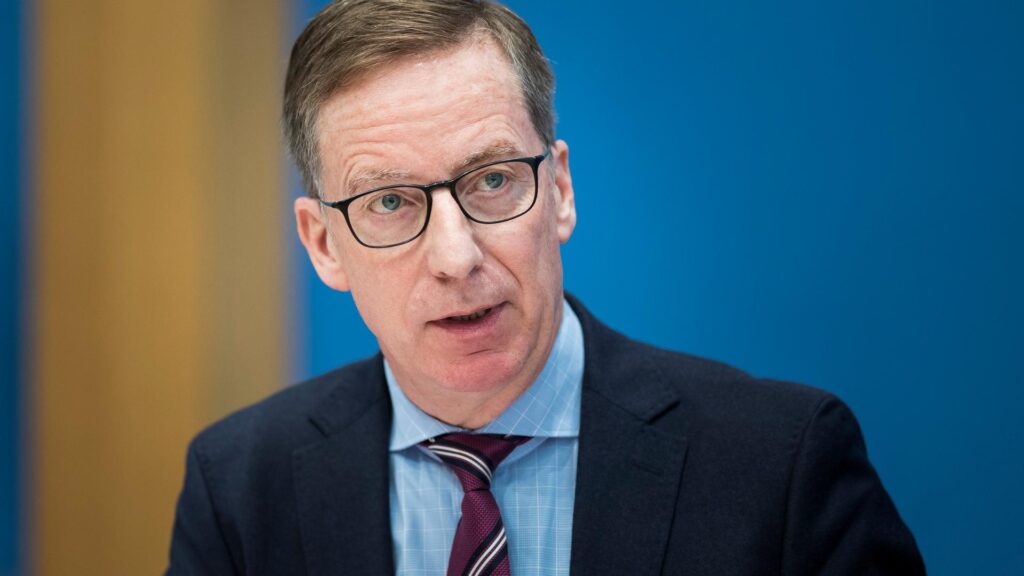
Michael Hüther, the director of the Institute of the German Economy (IW), has warned in a recent statement about the possible negative impacts of a government-imposed cap on fuel prices. In light of the ongoing energy crisis and rising living costs, Hüther emphasizes that such measures could not only disrupt market mechanisms but also have long-term consequences for the economy.
According to Hüther, a price cap could reduce the incentives for suppliers to invest in the production and distribution of fuels. This could ultimately jeopardize supply security, especially during times when energy prices are already highly volatile. The IW chief points out that artificial price regulation has often led to shortages and a decline in quality in the past.
In addition to the discussion about fuel prices, the increase in the commuter allowance is also being considered as a possible relief measure for drivers. However, Hüther warns that such an increase should not be viewed in isolation. He argues that it could lead to further strain on the state budget and exacerbate the already tense financial situation of many municipalities.
The energy crisis, exacerbated by geopolitical tensions and the impacts of the COVID-19 pandemic, has led to a rise in energy prices in recent months. This affects not only fuel prices but also the costs of heating oil and gas. The federal government is under pressure to take measures to relieve citizens while stabilizing the economic framework.
Hüther therefore calls for a nuanced consideration of the situation and advocates for solutions that take into account both consumer needs and market stability. He suggests focusing instead on targeted support measures that directly relieve lower-income households without disrupting market mechanisms.
In the political debate, the proposal for a price cap is viewed differently by various parties. While some demand immediate relief for consumers, others warn of the long-term consequences of such interventions. The discussion about the best approach to tackle the energy crisis and support citizens is expected to continue in the coming weeks and months.
Hüther's position is supported by various economic experts who also point to the risks of government price regulation. They argue that a sustainable solution can only be achieved through structural reforms and investments in alternative energy sources to reduce dependence on fossil fuels and secure energy supply in the long term.
Overall, it remains to be seen what measures will be implemented.