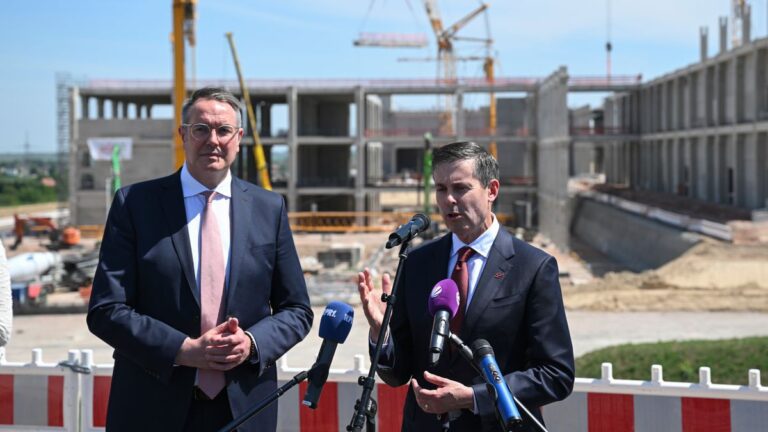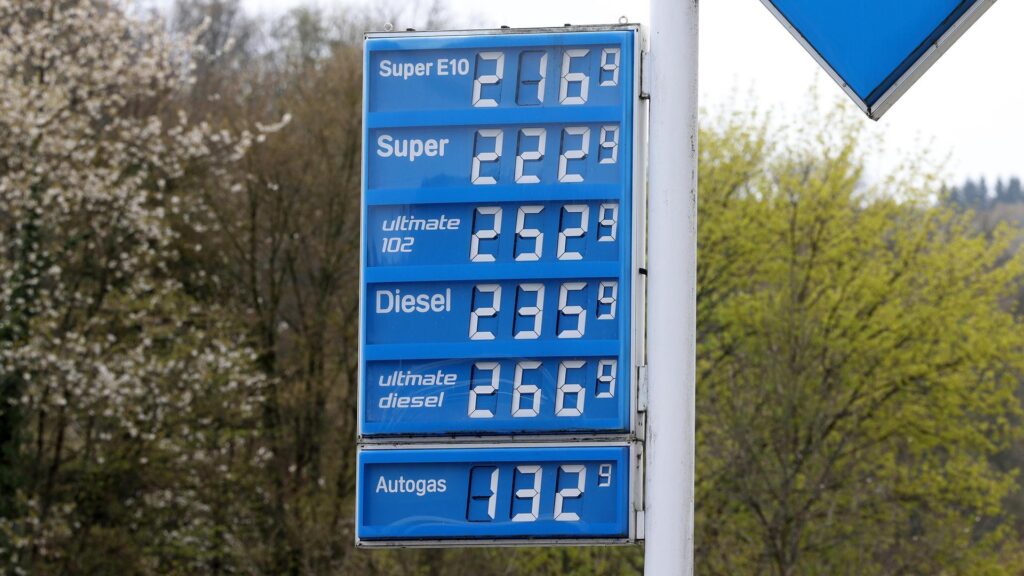
As Deutschlandfunk reports, several prime ministers have welcomed the recent coalition decisions aimed at relieving citizens, particularly the reduction of fuel prices. The Prime Minister of North Rhine-Westphalia, Hendrik Wüst, described the package of measures as coherent and sensible. Praise for the decided relief measures also came from Hesse and Saarland. These positive responses reflect the hope that the measures will benefit citizens in the current economic situation.
The coalition has agreed to implement various measures to alleviate the burden on citizens in order to counteract rising living costs. In particular, the reduction of fuel prices is intended to provide immediate relief for drivers. The prime ministers see these measures as an important step towards reducing the financial burden on citizens and promoting mobility.
Despite the positive feedback from the prime ministers, various associations and institutes express concerns regarding the actual effectiveness of the decided measures. Critics argue that the reduction in fuel prices may not reach consumers to the desired extent. There are fears that the price reductions will not be sufficient to compensate for rising energy and living costs.
Some experts point out that market mechanisms and pricing in the energy sector are complex. The actual effects of the fuel price reduction could depend on various factors, including price developments in international markets and the reactions of oil companies. These uncertainties raise questions about whether the decided measures will actually provide the hoped-for relief.
Additionally, it is noted that the relief measures may not reach all citizens equally. In particular, lower-income households may benefit less from the measures than higher-income households. This inequality could further call into question the effectiveness of the measures.
The discussion about the reduction of fuel prices and the associated relief measures is part of a larger political and economic context in which the coalition is trying to respond to the challenges of the current economic situation. The prime ministers emphasize the need to support citizens during this difficult time while also taking the concerns of associations and institutes seriously.
Overall, it remains to be seen how the situation will develop and whether the decided measures will actually have the desired effect. The coming weeks will show whether the positive expectations of the prime ministers can be fulfilled or whether the critics will be proven right.