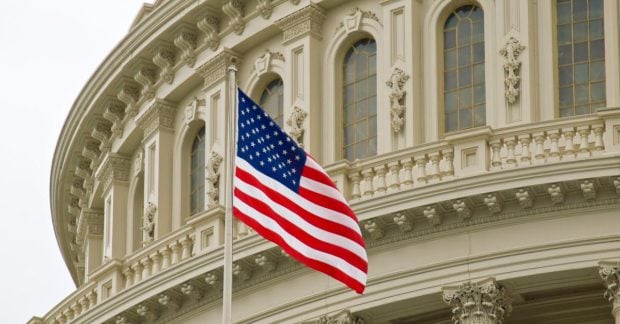
A visit by a Russian delegation to the Capitol has stirred significant controversy in the United States. This event unfolded against a backdrop of serious allegations linking Russia to intelligence sharing with Iran during a U.S. operation. Both Democratic and Republican lawmakers sharply criticized the visit, deeming it inappropriate and provocative, especially given the current geopolitical tensions and ongoing conflicts.
For many legislators, this incident exemplifies Russia's continued assertiveness on the international stage and its tendency to push the boundaries of acceptable behavior. The reception of such a delegation in the heart of U.S. politics heightens concerns regarding the security and integrity of American institutions.
In addition to the uproar surrounding the Capitol visit, discussions between U.S. and Russian delegations in Florida were mentioned, focusing on potential easing of sanctions against Russian oil and preparations for new talks with Ukraine. These developments indicate that despite existing tensions, diplomatic channels remain open, though many view them as insufficient.
The backlash from the Capitol visit may have long-term implications for U.S.-Russia relations, particularly concerning future negotiations and international cooperation. American lawmakers are now calling for greater transparency and accountability in diplomatic relations with Russia to safeguard national security.