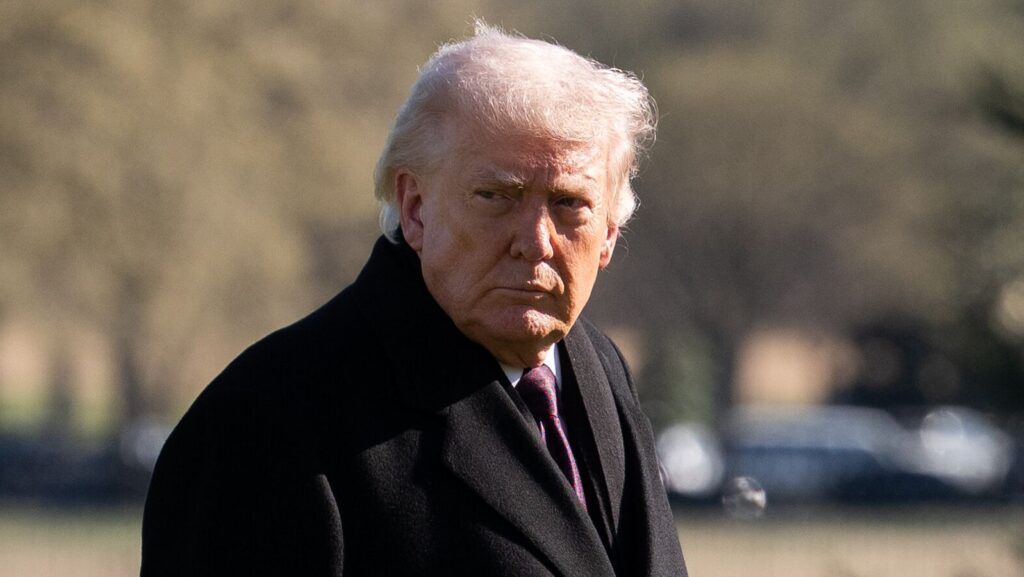
The South Pars gas field is of existential importance to Iran. It is the world's largest gas deposit, which Iran shares with Qatar. An attack on this infrastructure would severely impact the Iranian economy and could destabilize regional energy markets. Trump's threat comes against the backdrop of recent tensions. Iran had previously attacked the Ras Laffan gas complex in Qatar, which had already led to international concern. The U.S. sees itself as a protective power for Qatar and other regional partners. The direct communication via social media instead of diplomatic channels underscores the confrontational course of the U.S. government. Experts fear that such public threats could further escalate the already tense situation.
Iran's reaction is still pending. Tehran has responded to similar provocations in the past with its own warnings and military maneuvers. The situation is reminiscent of previous crises in the region that nearly escalated into open conflicts.
For Europe and Germany, the development has direct implications. The region is a crucial energy supplier, and any escalation threatens supply security. Moreover, a new conflict could lead to further refugee movements and instability at the EU's external borders.
The international community is watching the developments with concern. Many states are likely pushing for de-escalation behind the scenes, while the US continues its hardline course. The coming days will reveal whether Iran responds to the provocation or if diplomatic efforts can prevent further escalation.