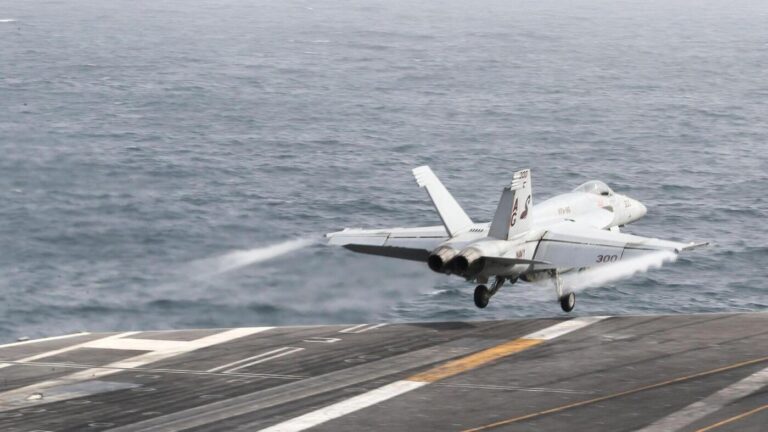
Rachel Reeves, the Chancellor of the Exchequer, has voiced her frustration over President Donald Trump’s decision to launch a war against Iran. She argues that the absence of a clear plan for ending the conflict could have severe economic repercussions for citizens. In a recent interview, Reeves pointed out that the decision has already contributed to rising inflation, slower economic growth, and declining tax revenues.
The escalating tensions in the Middle East have led to a spike in oil prices, negatively impacting the UK economy. The Brent crude price has surged past $100 per barrel, increasing demand for safer investments and putting pressure on the British pound. This comes at a time when the UK market is still reeling from the effects of the pandemic, with consumer prices on the rise.
Reeves emphasized that the decision to go to war carries not only geopolitical but also profound social and economic consequences. It is a troubling situation that highlights the urgent need for a strategic and responsible approach. The British government now faces the challenge of addressing escalating energy costs while maintaining economic stability.
Concerns about the economic fallout from the conflict are also palpable in the financial markets. Analysts are closely monitoring developments, and it remains uncertain what measures the government will implement to mitigate the impact on the public.
Amid these uncertainties, the question looms of how international relations will evolve and what role the UK will play in the geopolitical landscape. Reeves’ statements reflect not only immediate concerns but also the long-term challenges the government faces in ensuring the economic security of its citizens.