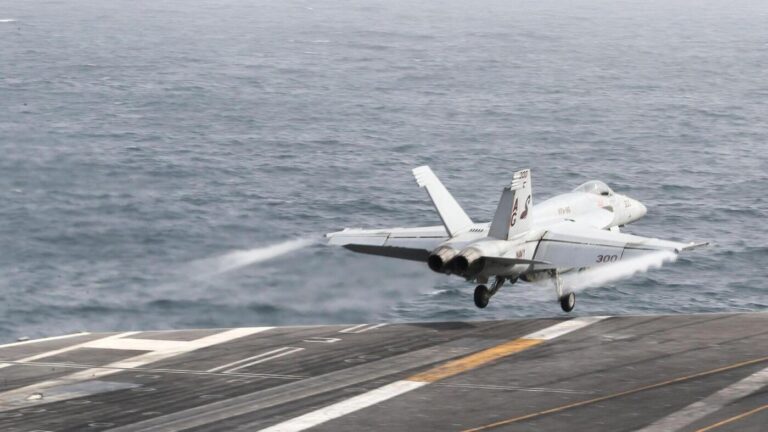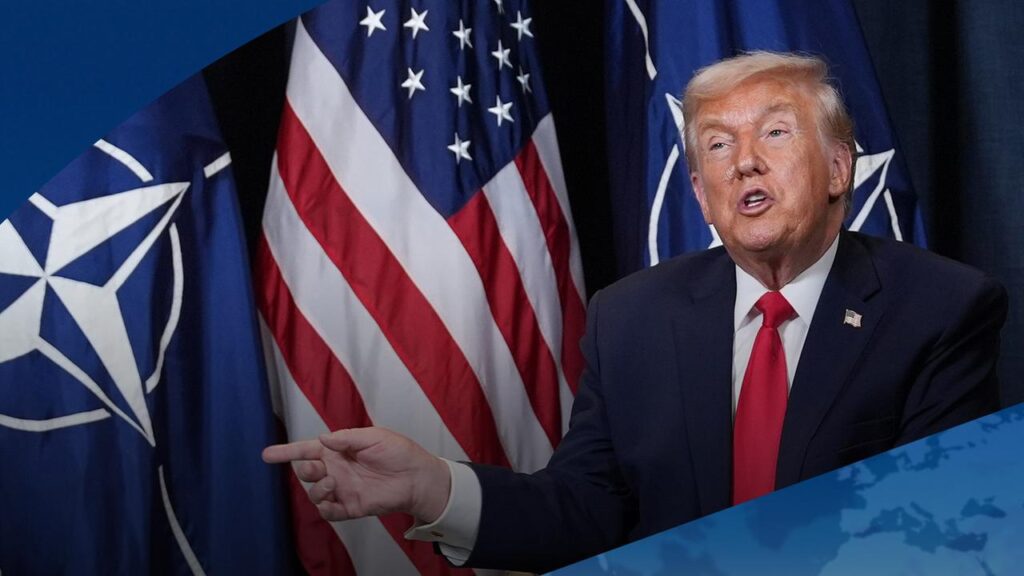
Transatlantic tensions have taken a new turn as Germany flatly rejects a call from U.S. President Donald Trump for NATO members to participate in securing the Strait of Hormuz. The refusal underscores growing strategic divisions between Washington and its European allies.
The Strait of Hormuz is one of the world's most critical maritime chokepoints, with roughly a fifth of global oil trade passing through the narrow waterway between Iran and Oman. Recent attacks on tankers in the region have heightened fears of a broader escalation.
Trump's appeal comes at a particularly delicate moment. The United States has recently bolstered its military footprint in the Middle East, while European powers are scrambling to salvage the Iran nuclear deal. Berlin worries that direct military involvement could further inflame an already volatile situation.
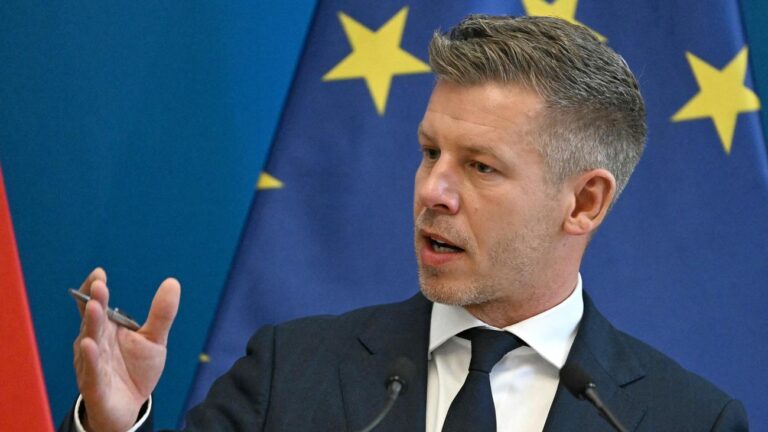
A German government spokesperson confirmed the rejection to public broadcaster Tagesschau, stating that Germany remains committed to diplomatic solutions and will not deploy additional troops to the region. Several European partners share this cautious stance, signaling similar reluctance.
The transatlantic alliance has been under strain for some time, with trade disputes, differing approaches to Iran, and debates over defense spending testing NATO unity. Trump's latest move lays bare how far apart the two sides have drifted on core security issues.
For Germany, the decision also carries domestic implications. The Bundeswehr is already stretched thin across multiple international missions, and new deployments would be a hard sell politically. Moreover, joining a U.S.-led operation in the Middle East could further damage already frayed ties with Tehran.
Analysts warn of the consequences of further escalation. The Strait of Hormuz remains a linchpin of the global economy; any disruption to shipping could send energy prices soaring and ripple through worldwide markets.
The coming weeks will reveal whether other NATO members heed Trump's call. So far, there are few signs of broad support. European governments continue to favor diplomatic channels to ensure stability in the region.