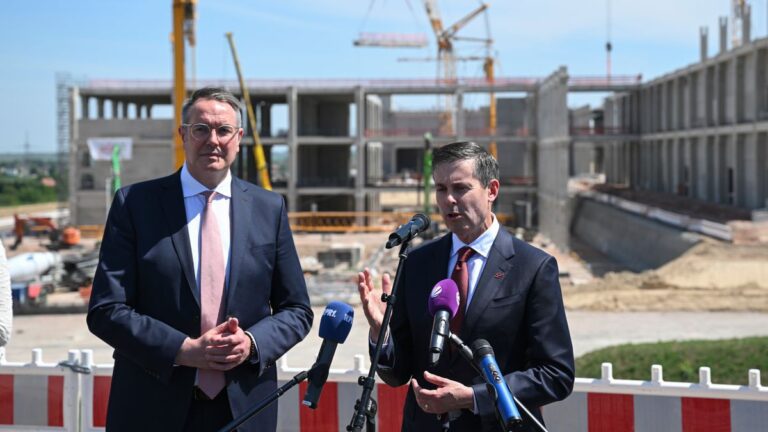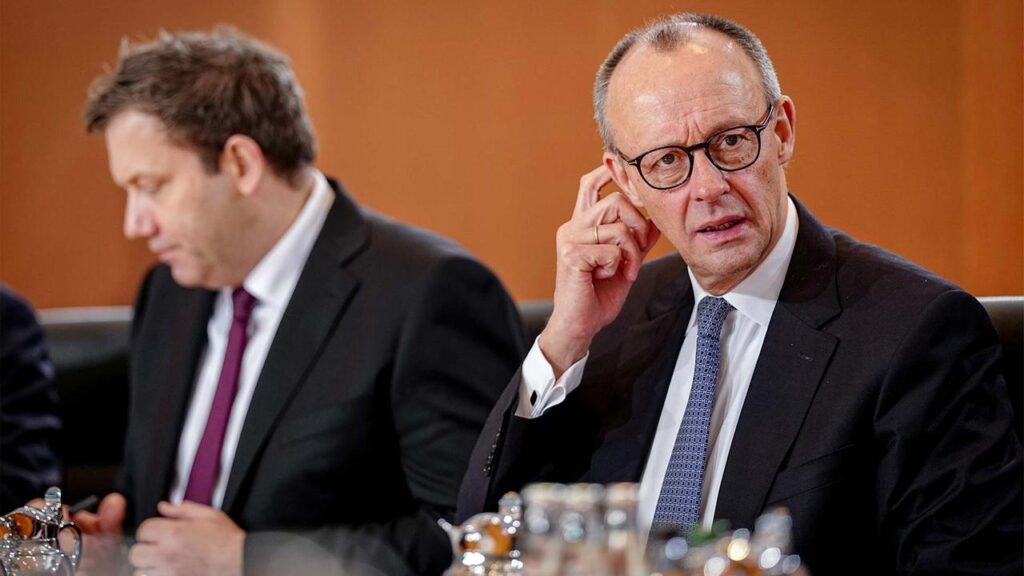
One year after its establishment, Germany’s 500-billion-euro special fund for infrastructure and climate neutrality (SVIK) is at the center of a heated controversy. Two prominent economic research institutes have released data revealing a massive deviation from the fund’s original objectives.
The Cologne Institute for Economic Research (IW) found that approximately 86% of the fund’s resources were diverted from their intended purposes in 2025. The Munich-based ifo Institute goes even further, stating that 95% of newly incurred debt was not used for additional investments in infrastructure or climate protection. Rather than financing promised projects, the money has primarily served to fill budget holes.
This criticism comes at a sensitive time for the federal government. The Union and SPD parties had presented the special fund as a historic opportunity to resolve Germany’s long-standing investment backlog. “They have failed to seize this opportunity so far,” Reuters commented on the development. The opposition accuses the government of engaging in what they call an “XXL debt binge” with the multi-billion euro package instead of launching forward-looking projects.
For citizens, this means concrete consequences: promised improvements to roads, railways, digital infrastructure, and climate protection measures face further delays. While new debt is being accumulated, the actual problems remain unresolved. The studies demonstrate a clear gap between political rhetoric and the reality of budgetary policy.
Although the Union party rejects these accusations, the figures from independent institutes are unambiguous. “We have determined that policymakers have used nearly all debt-financed resources for other purposes,” concludes the sobering assessment. The debate surrounding the special fund has thus become symbolic of failed investment policy.
What follows from this realization? Political pressure is mounting on the government to actually deploy the funds as originally planned. Otherwise, Germany risks not only a loss of confidence in the state’s ability to make future-oriented investments but also a worsening of its infrastructure and climate policy challenges. The upcoming budget negotiations will reveal whether the economists’ criticism will lead to concrete consequences.
The Union and SPD had the chance to resolve the investment backlog
der Nachrichtenagentur Reuters