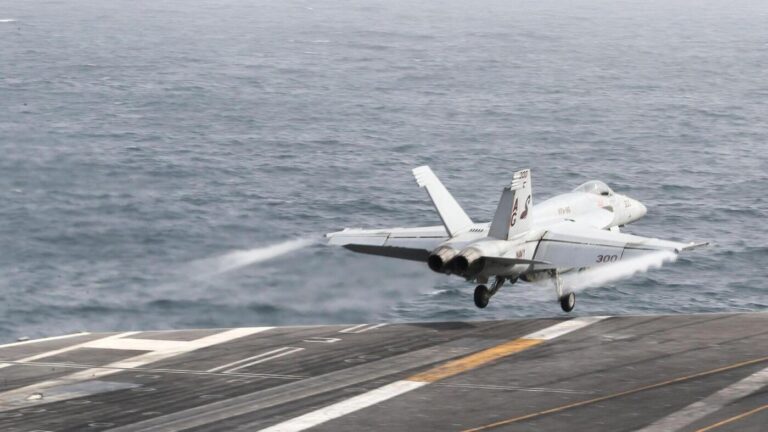
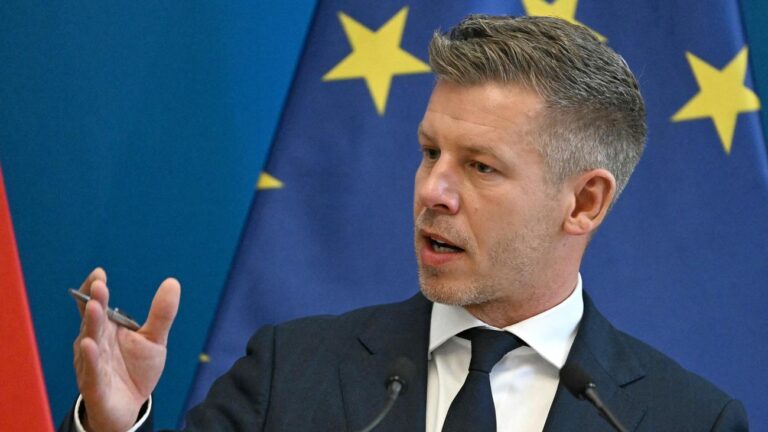
US President Donald Trump sharply criticized Germany and other NATO countries for their lack of assistance in securing the Strait of Hormuz. The stance of the allies is
der Straße von — Tagesschau
Trump Lashes Out at NATO Allies After Hormuz Mission Rejection
U.S. President Donald Trump has sharply criticized NATO allies for rejecting his proposal for a military mission in the Strait of Hormuz, calling their stance 'pretty shocking' and warning of a 'very stupid mistake' by the alliance.
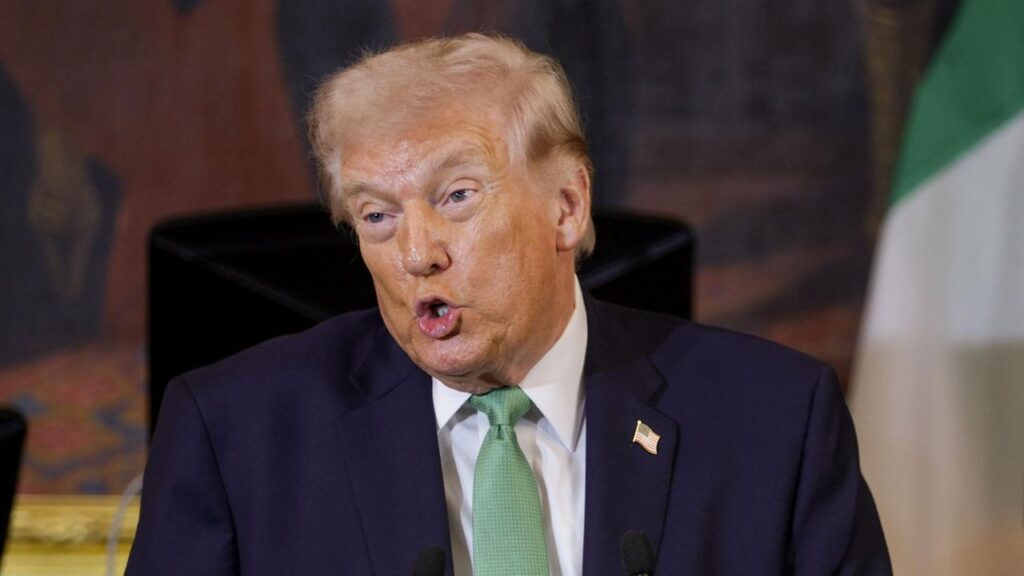
Tensions between the United States and its European NATO partners have reached a new peak. After Germany and other allies rejected a U.S.-proposed military mission in the strategically vital Strait of Hormuz, the White House has responded with sharp criticism.
President Donald Trump lambasted Germany and other NATO countries for failing to assist in securing the Strait of Hormuz. In a press conference at the White House, Trump described the allies’ position as ‘pretty shocking’ and expressed clear disappointment. ‘I think NATO is making a very stupid mistake,’ the U.S. president said, according to a report. He framed the issue as a critical test for the defense alliance.
The backdrop is the ongoing conflict with Iran, which threatens the security of the shipping route through the Strait of Hormuz. Approximately one-fifth of the world’s traded oil passes through this narrow waterway. The U.S. had urged its European partners to join a military mission to safeguard the strait.
However, Germany, France, and other European NATO members rejected the proposal. They fear further escalation of the conflict with Iran and prefer diplomatic solutions. This stance highlights the deepening rifts in transatlantic security policy.
Trump’s remarks extend beyond the current controversy. According to reports, the U.S. president even raised the possibility of a U.S. withdrawal from NATO—a threat he has made multiple times in the past.
The European rejection of the Hormuz mission comes at a particularly sensitive time. Since the U.S. withdrawal from the international nuclear deal with Iran and the tightening of sanctions against Tehran, tensions in the region have steadily increased.
For Germany, the situation poses a special challenge. On one hand, Berlin does not want to further strain the transatlantic alliance; on the other, the German government sees military escalation as no solution to the conflict with Iran. German foreign policy continues to emphasize dialogue and de-escalation.
The current controversy raises fundamental questions about NATO’s future. Since Trump took office, relations between Washington and its European partners have significantly deteriorated. Differing positions on Iran policy are just one example of the growing divides on security issues.
Experts warn that persistent tensions within the alliance could impair its effectiveness. NATO faces the difficult task of forging a common line in international crises despite the divergent views of its members.
The coming weeks will show how the situation evolves. While the U.S. continues to pressure Iran, European diplomats are working on alternative solutions. The Strait of Hormuz remains a flashpoint where the geopolitical interests of various actors intersect.