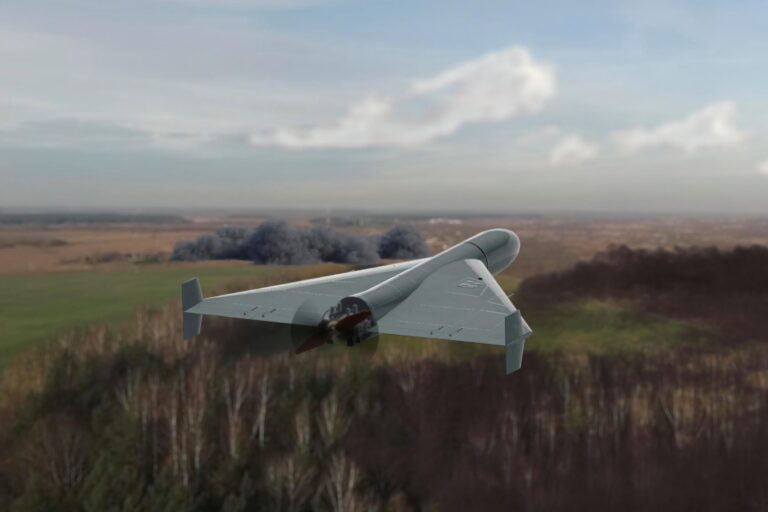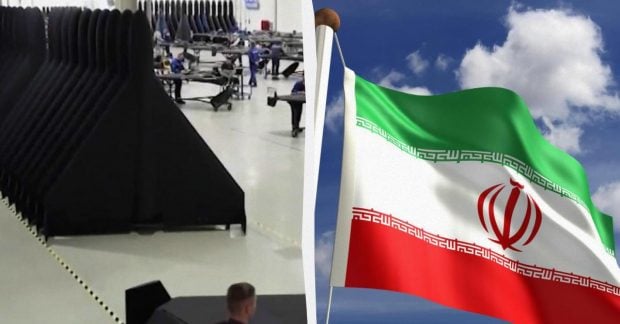
Russia is secretly supplying combat drones to Iran and accelerating deliveries following recent attacks by the U.S. and Israel. The modernized unmanned systems could alter the regional balance of power in the Middle East and further escalate tensions. According to information from the Financial Times, citing Western intelligence agencies, Russia is close to completing several delivery waves. In addition to combat drones, medicines and food are also to be supplied. This secret military cooperation between Moscow and Tehran is intensifying at a time when both countries are under international sanctions and pursuing their regional ambitions. The deliveries are occurring despite international sanctions against both states. Russia is seeking new partners as it becomes increasingly isolated due to the war in Ukraine. Iran, in turn, requires modern weapon systems to support its regional allies and expand its military capabilities. The drones could be passed on to Hezbollah in Lebanon or other Shia militias.
The accelerated Russian deliveries are seen as a direct response to these attacks. A Western intelligence official told the Financial Times that the deliveries are "remarkably intense" and would further destabilize the regional security situation.
For Europe and Germany, the development has practical consequences. A stronger Iran with modern drones could further endanger security in the Middle East and thus also affect European interests. Moreover, the cooperation between Moscow and Tehran could undermine international sanctions regimes and complicate efforts to contain both states.
The exact types of drones delivered are not publicly known, but experts assume modernized versions of Russian models. These could have greater ranges, improved target acquisition, and higher payloads than previous Iranian systems. Iranian drone technology has already made significant progress in recent years, as attacks on Saudi oil facilities and Israeli ships demonstrated.
The cooperation between Russia and Iran is not new, but has gained momentum since Russia's attack on Ukraine. Tehran has been supplying Moscow with drones for use in Ukraine for some time. Now, the exchange seems to be developing in the opposite direction. This mutual military support creates a kind of sanctions alliance between the two states.
What comes next? The U.S. and its allies will closely monitor the development and may impose further sanctions. Israel could intensify its attacks on Iranian targets to disrupt the drone deliveries. For Europe, the question arises of how to maintain regional stability in the Middle East while two sanctioned states deepen their military cooperation.
The secret deliveries illustrate how international conflicts are increasingly interconnected. The war in Ukraine, tensions in the Middle East, and great-power rivalries are merging into a complex web that challenges the global security architecture. For German foreign policy, this means that regional crises can no longer be viewed in isolation but must be considered within a broader strategic context.