A recent study tested a newly developed vaccine against dengue fever, demonstrating promising results regarding its effectiveness. According to researchers from the University of Queensland in Australia, the vaccine is capable of generating an immune response in individuals, regardless of whether they have previously been infected with the dengue virus. This represents a significant advancement in combating the disease, which affects millions of people worldwide.
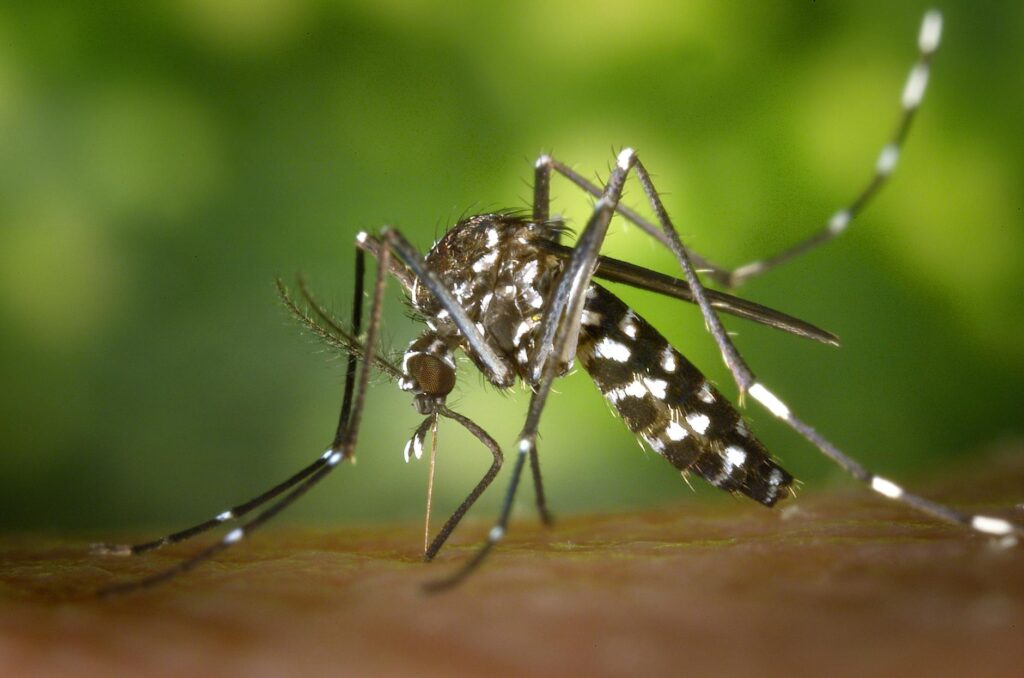
Dengue fever is caused by the dengue virus, which is transmitted by mosquitoes. The disease can lead to severe health complications and is prevalent in many tropical and subtropical regions. Previous vaccines were often only suitable for individuals who had already experienced a dengue infection, significantly limiting vaccination campaigns.
The new vaccine formulation, tested in several clinical studies, has shown that it can elicit a protective immune response in both seropositive and seronegative individuals. This could greatly simplify vaccination strategies and increase immunization rates, as more people would have access to effective prevention.
The results of the Phase III study were published in a scientific journal and indicate that the vaccine can significantly reduce the incidence of dengue fever. In the conducted tests, an efficacy of over 80 percent was observed, bolstering hopes for broader application of the vaccine in affected regions.
Researchers emphasize that further studies are necessary to evaluate the long-term effects of the vaccine and to ensure its effectiveness against all four serotypes of the dengue virus. Currently, there are four different serotypes of the virus, and immunity against one serotype can increase the risk of more severe disease upon infection with another serotype.
The World Health Organization (WHO) has already expressed interest in the study's results and plans to review the data to develop potential recommendations for the vaccine's use in endemic areas. Experts point out that a successful vaccination campaign against dengue fever could not only protect the health of the affected population but also bring significant economic benefits by reducing treatment costs for the disease.
Overall, this new vaccine could make a crucial contribution to combating dengue fever and significantly improve the quality of life in affected regions. The next steps in research will be critical to further confirm the vaccine's safety and efficacy and to enable widespread availability.