Lubinets announced this on Friday, 9 October, on Telegram, as reported by Ukrainska Pravda. According to the report, the whereabouts of the deportees are still unknown. The Ombudsman did not name a specific location.
“Russia calls this ‘evacuation’. But when people are taken away against their will, intimidated and left without a choice – that is not rescue. That is coercion,” Ukrainska Pravda quotes Lubinets as saying. Among the deportees are young and older people as well as children. “What worries me most in this story is the fate of the children. They are taken away, their data is collected – and parents and relatives may not even know where they are,” Lubinets continued.
A Telegram bot and concern about the data
According to Lubinets, the occupiers have already set up a Telegram bot through which people’s data is collected under the pretext of so-called “evacuation”. This data could be used against those affected and their relatives. “I appeal not to pass on any passport data, addresses, phone numbers or documents – neither your own nor those of the children,” the Ombudsman stressed.
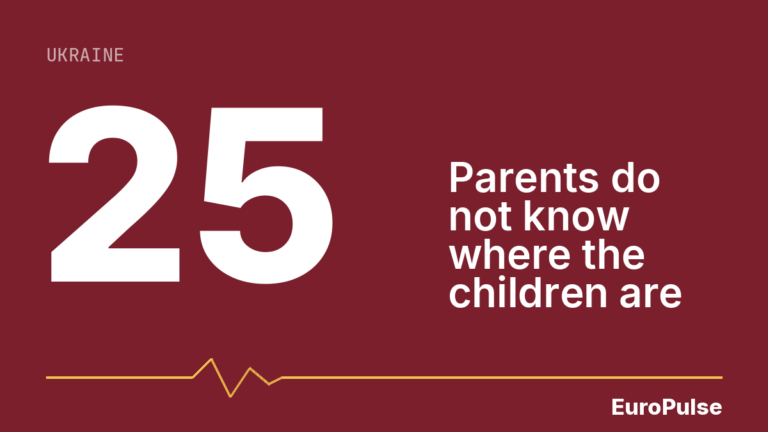
According to his statements, the relatives of the 25 people currently do not know where they are. According to Lubinets, the events contradict international humanitarian law. The Geneva Convention relative to the Protection of Civilian Persons in Time of War expressly prohibits the forcible transfer and deportation of people from occupied territory (Article 49), the taking of hostages (Article 34), as well as intimidation, terror and collective punishments (Article 33).
Demands on Moscow and international organisations
Lubinets stated that he had already contacted the Human Rights Commissioner in the Russian Federation. He demands that the whereabouts of all 25 people be disclosed, information on their conditions of detention be provided, complete details on the deported civilians be transmitted, and measures be taken for their return to Ukraine. He also said he had contacted the International Committee of the Red Cross, the United Nations and other international organisations.
The Kharkiv region in north-eastern Ukraine is partially occupied; according to the Ombudsman, active fighting continues in the area. The deportation of civilians from occupied territories has been a recurring accusation by Ukrainian authorities and international human rights organisations since the start of Russia’s war of aggression. The report from Friday does not indicate how many people are affected in total.
Editorial assessment: As long as the whereabouts of the 25 people remain unclear and Moscow provides no information, the humanitarian situation of those affected is unlikely to be clarified. The organisations contacted by Lubinets have so far received only limited access to deportees in comparable cases.