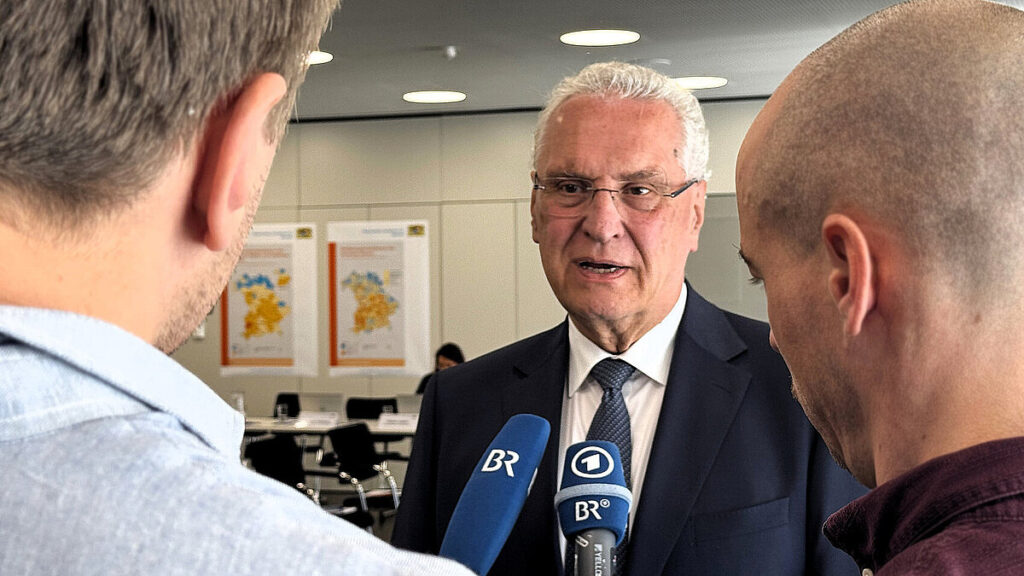
As the Bavarian State Ministry of the Interior, for Sport and Integration (StMI) reports, Interior Minister Joachim Herrmann has presented the results of the regionalized population forecast. The projection shows that Bavaria's population will grow to 13.53 million by 2044. At the same time, the average age of the population rises to 46 years. Herrmann emphasized that population development varies greatly by region. While some regions are experiencing significant growth, others are affected by stagnation or even decline.
According to the ministry, the forecast is based on current population data and assumptions about birth rates, mortality, and migration movements. The results are intended to serve as a basis for political decisions in the areas of infrastructure, housing, and securing skilled workers. Herrmann stated that targeted immigration of qualified professionals and strengthening all regions are essential to meet the challenges of demographic change.
The regionalized population forecast is regularly prepared by the Bavarian State Office for Statistics. It provides projections for individual administrative districts, counties, and independent cities. The current figures show that demographic change in Bavaria continues to progress: society is aging, and the population is increasingly concentrating in metropolitan areas. Herrmann therefore called for an active regional policy to maintain quality of life in all parts of the state and increase the attractiveness of rural areas.
The forecast is an important tool for state planning. It makes it possible to react early to changes and take measures to adapt infrastructure to future population development. Herrmann emphasized that the results are also of great importance for municipalities, as they help in planning kindergartens, schools, nursing homes, and transportation routes.
Overall, the projection shows that Bavaria continues to grow despite demographic change. However, regional differences are significant: while the metropolitan regions of Munich, Nuremberg, and Augsburg are growing strongly, rural regions such as Upper Franconia or the Upper Palatinate must expect population losses. Herrmann stressed that the state government wants to counteract this with targeted funding programs to achieve balanced development.
The complete results of the regionalized population forecast are available on the website of the Bavarian State Office for Statistics. The ministry recommends that all interested citizens and municipal representatives use the data for their planning.