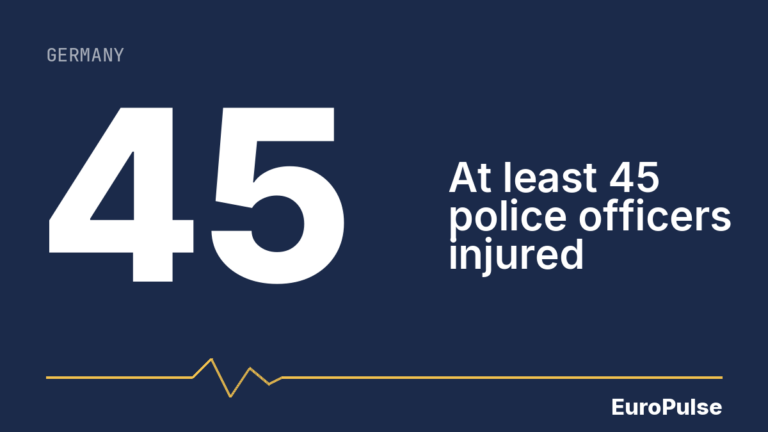
As of 1 November, 11 a.m. The toll from Saturday’s “Gen Z regelt” protests is heavier than it looked last night: in Hamburg alone more than 120 people were arrested or taken into custody, including a 13-year-old. In Berlin the figure was up to 56, in Frankfurt more than 30. Media reports put the number of injured officers nationwide at no fewer than 45. There is no official overall total and no damage estimate yet.
City by city, using police figures compiled by the media: in Hamburg 11 officers were injured, barricades burned near the main station and on Steindamm, and about ten vehicles were burnt out in Dulsberg; a child suffered shock. In Berlin 27 officers were lightly hurt and a tram was damaged. Cologne reported at least five people in custody and more than 700 identity checks, with one officer and one bystander injured. Stuttgart, Bremen and Hanover reported skip fires and damage from fireworks.
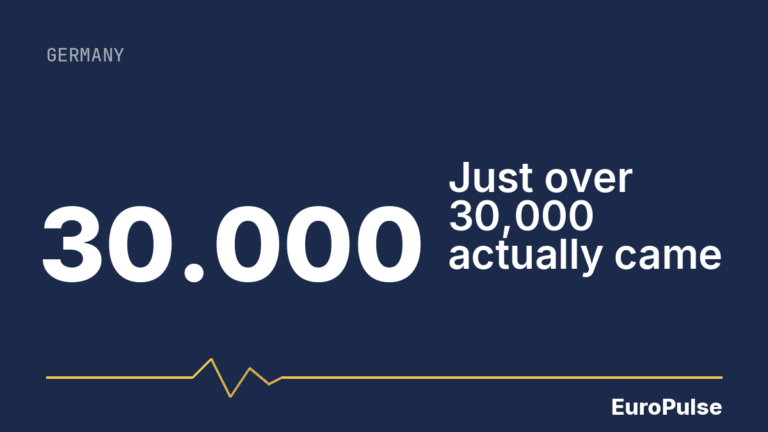
Frankfurt was hit hardest. Hesse’s interior minister Roman Poseck (CDU) put attendance at about 8,000, most of them peaceful. Around 6 p.m. bottles and firecrackers were thrown at officers and the rally at Bleichstraße was dissolved; soon after, the organiser Generation Aufbruch declared the event over and distanced itself from Gen-Z Deutschland. Violent groups then moved through the centre as police used water cannon and armoured vehicles. A shoe shop and a perfumery on the Zeil were looted and a weapons shop broken into; police later recovered two stolen weapons. More than 1,000 officers cordoned off the city centre, and several were injured, one possibly seriously.
Who is responsible for the violence?
Poseck described a harmful link between left-wing extremists and violent young people and estimated the number of offenders at about 100; earlier in the evening he had said about 60. Minister-President Boris Rhein (CDU) said people who behave like this put themselves outside society and that he was “shocked”. A spokesperson for Gen Z regelt told dpa the group had no influence over events after the rallies ended and that violence had never been part of the movement. The Bundesschülerkonferenz criticised a lack of transparency among organisers, while Jens Mohrherr of the Hesse police union GdP said they had not distanced themselves clearly enough. Cologne police president Johannes Hermanns said seizing incendiary devices had prevented scenes like those in Paris or Milan.
Before the protests, security politicians had warned of infiltration: Marc Henrichmann (CDU) spoke of internationally networked left-wing extremist structures, Alexander Throm (CDU) of demonstrations being “hijacked”. The initiative itself called for money for schools, psychotherapy and addiction support, affordable living costs, and no to conscription and expanded surveillance. In the evening it claimed more than 100,000 participants nationwide; police had given no overall figure.
Our assessment: over the coming days the debate will probably shift from the demands to the violence, partly because the attackers in Frankfurt and Hamburg seem to have formed only after the rallies ended and the organising alliance looks divided. Whether the movement carries on depends on whether its founders draw a clear line and whether further events pass without escalation. That is a forecast, not a certainty; reliable figures on damage and prosecutions are still to come.
Earlier coverage: Gen Z protests: thousands march, Frankfurt police end rally
Sources: hessenschau, ZDFheute, Handelsblatt, dpa/Hersfelder Zeitung