People in Germany who receive Bürgergeld or housing benefit, or live on a small pension, can get free energy advice at home. Advisers bring cost-cutting gadgets and, in some cases, a voucher towards a new fridge. The scheme is called Stromspar-Check, and it is about to get much bigger.
As of 23 November 2026: the Federal Environment Ministry announced in March that it will expand the programme. It had about €13 million last year, has just over €18 million in 2026, and from 2027 “up to €65 million a year” is planned, paid from the Climate and Transformation Fund. More locations and more consultations are the aim.
What happens during a check
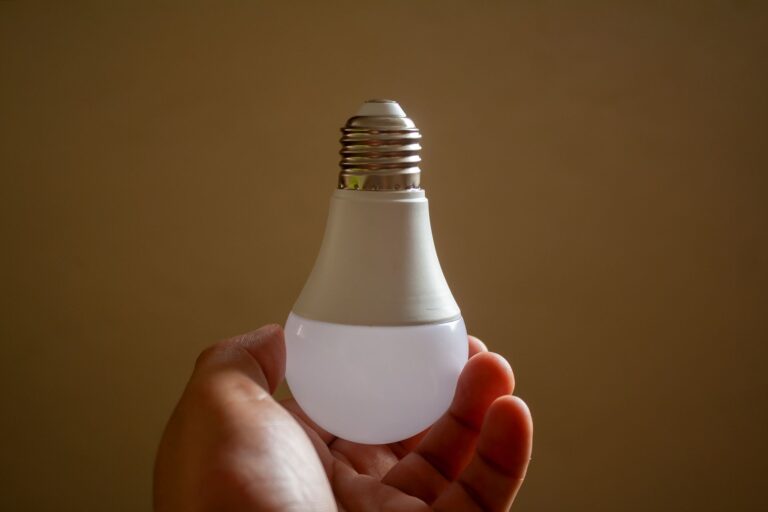
Trained helpers visit the flat, measure electricity and water use of appliances and ask about habits. From the readings and your utility bills they calculate where you can save. At a second visit you get a personal energy report and “immediate aids” fitted on the spot: LED bulbs, switchable power strips, water-saving shower heads, flow limiters, draught excluders. The programme puts their value at up to €70 on average, and they cost the household nothing. After a year you can book a follow-up that compares forecast and actual savings.
If your fridge is over ten years old and uses at least 200 kWh a year more than a comparable new model, you receive a voucher worth €100 to €200, depending on household size. Some states and municipalities add a replacement bonus. The programme estimates the saving from swapping the appliance at roughly €122 a year.
Who qualifies, and what it really saves
Eligible are people receiving, for example, Bürgergeld, basic income support, social assistance, child supplement or housing benefit, as well as those with a low income or small pension. Ukrainians with § 24 protection status who receive Bürgergeld fall into this group; that follows from the benefit list, as the programme names no separate rule for them.
The savings figures differ by source. The ministry cites about €300 a year on average, after almost 500,000 households were advised. The project’s own evaluation for 2020–2023 gives €202 per household: €123 on electricity, €49 on water and €30 on hot-water heating. The truth probably lies in between, and the biggest gain comes from retiring an old fridge. The reach is described differently too: about 115 sites according to the ministry, more than 150 towns and municipalities according to the leaflet, since advice is also offered online and by phone.
Environment Minister Carsten Schneider said when announcing the expansion: “Climate protection must be socially fair. People on low incomes must not be left alone with rising energy costs.” The state has a stake as well: where housing benefit covers heating, lower consumption also cuts public spending. The leaflet calculates savings of €203 for the federal government and €99 for the municipality per check.
How to book
Sign up at stromspar-check.de, by phone on 0800 4443322 or via WhatsApp, Monday to Friday, 8am to 1pm. Advisers come to your home or consult online. The project is run by Caritas and the federal association of energy and climate agencies (eaD). Advice is usually in German, so bring a trusted person to interpret or ask about language help when you register. The 2027 expansion should shorten waiting times, but how quickly depends on how fast new sites open.
Sources: Federal Environment Ministry, Stromspar-Check, Stromspar-Check fact sheet (Caritas/eaD), VDIV