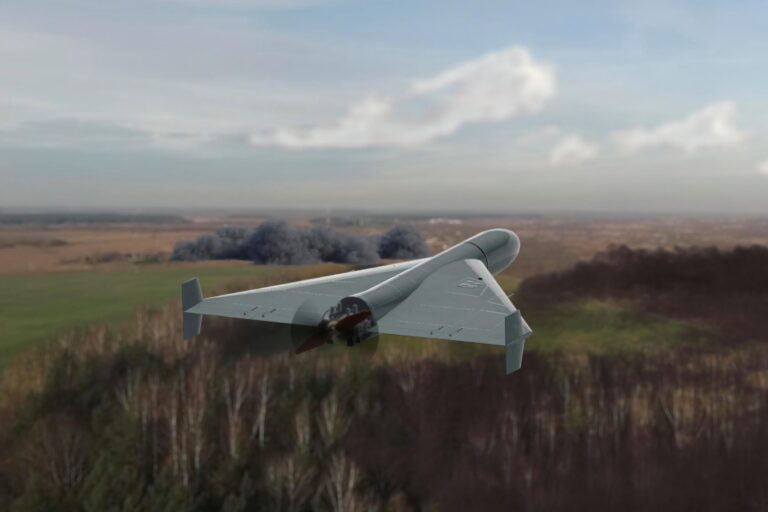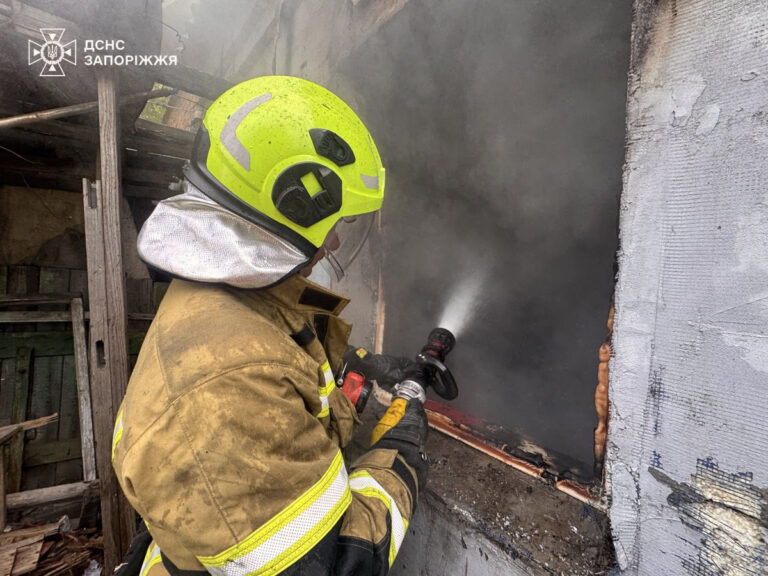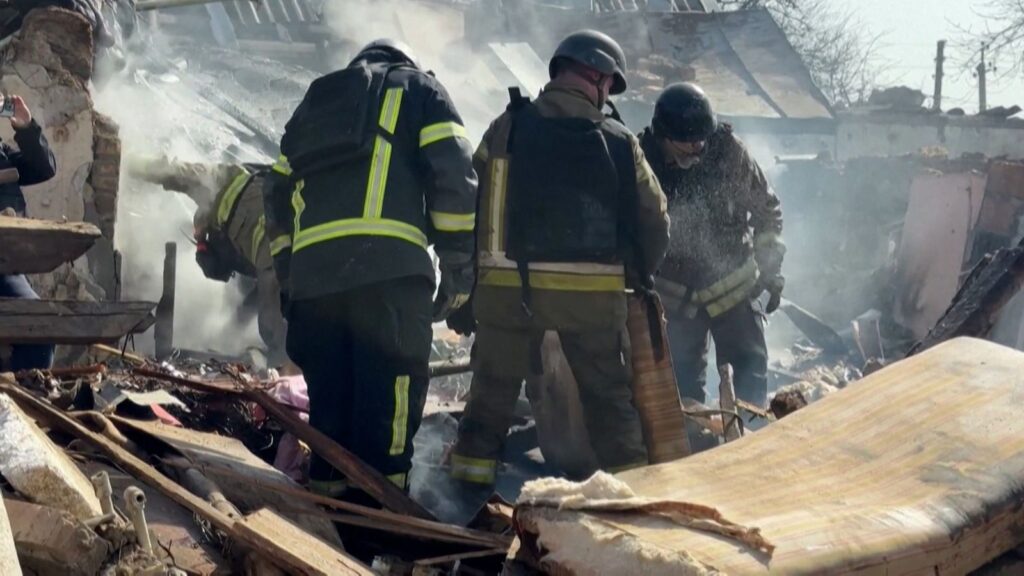
In a chilling break from its usual playbook, Russia launched a rare daylight missile strike on Kyiv on Monday, hitting the Ukrainian capital during the morning rush hour. Ukrainian air force officials called the attack "unusual," pointing to its timing as a clear attempt to terrorize civilians when the city is most vulnerable.
While nighttime bombardments have become all too common in recent months, this daytime assault marks a new escalation in the conflict. Experts believe it's aimed not just at causing physical damage but at crushing civilian morale, as people head to work or school. Ukrainian air defenses sprang into action, though the full toll of casualties and infrastructure damage is still unknown.
On the ground, Russian offensive operations are ongoing but have fallen short of the intensity Moscow's military commanders promised to political leaders, according to Ukrainian armed forces sources. Despite relentless assault attempts, the scale and ferocity of these engagements haven't matched Russian plans, hinting at possible logistical or strategic weaknesses.
Internationally, support for Ukraine remains strong. British Prime Minister Keir Starmer recently reaffirmed his commitment to backing Ukraine's defense. This solidarity comes as Russia increasingly turns to mercenaries from Africa—a move that's drawn sharp criticism from countries like Kenya, where officials have expressed outrage over the recruitment.
For Germany and Europe, these developments highlight the urgent need for sustained military aid. The war isn't just a humanitarian disaster; it's a direct threat to European security. Russia's evolving tactics, including this daylight strike, show a conflict that's escalating, not winding down, with real consequences for European politics and economies.
The way forward depends heavily on the Western response. Ukraine needs not only weapons but also strong diplomatic support to push back against Russian aggression. The coming weeks will test whether the international community can find the unity required to stop Putin's war machine.