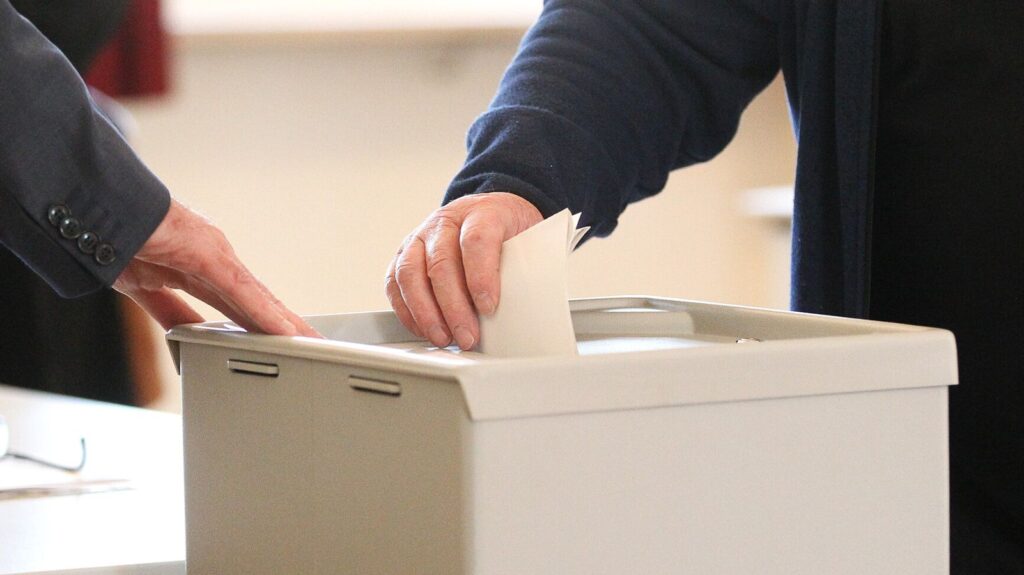
A Bavarian village is preparing to elect a mayor who doesn’t want the job. This paradoxical situation will play out Sunday in Mittelsinn, a community of 800 in the Spessart region, as residents cast ballots in a runoff election. While two candidates appear on the ballot, only the incumbent is actually prepared to take office starting May 2026.
The unusual contest stems from a political deadlock. In the initial round of voting, none of the original candidates secured the required majority, forcing a runoff between the sitting mayor and a challenger. However, between voting rounds, the challenger effectively withdrew his candidacy.
“After many conversations over the past week, I see no possibility for myself to lead the municipality of Mittelsinn as mayor in the event of a successful runoff election from May 1, 2026,” the candidate stated. Despite this, his name remains on the ballot—under Bavarian municipal election law, withdrawal is impossible after the first round.
This creates a bizarre dilemma for voters, who could potentially elect someone who has declared he will not serve. Should that candidate win, the village would face an administrative headache, requiring what a local official described as a “repeat election with all the associated complications.”
The Mittelsinn case highlights how rigid electoral laws can produce absurd outcomes in unexpected scenarios. While such constellations rarely occur in larger cities, small communities like Mittelsinn are particularly vulnerable to the personal decisions of individual candidates.
For residents, the situation adds another layer of uncertainty. They must choose not just between individuals, but between fundamentally different approaches to the office: the incumbent seeks another term, while his opponent could be elected but refuses to govern.
Local governance experts are watching with interest. The case raises questions about the flexibility of electoral procedures, especially in small municipalities where personal motives often carry more weight than in larger political systems. Sunday’s vote will reveal how the electorate navigates this peculiar circumstance.
Regardless of the outcome, Mittelsinn faces two unenviable scenarios: being governed by a mayor who didn’t want the job, or enduring a costly and cumbersome special election. Both prospects strain community life and trust in democratic processes. What began as a simple runoff may well have lasting consequences for the political culture of this small Spessart village.
Due to many conversations over the course of the last week, I see no possibility for myself to continue leading the municipality of Mittelsinn as mayor from May 1, 2026, in the event of an election victory in the runoff.
waren