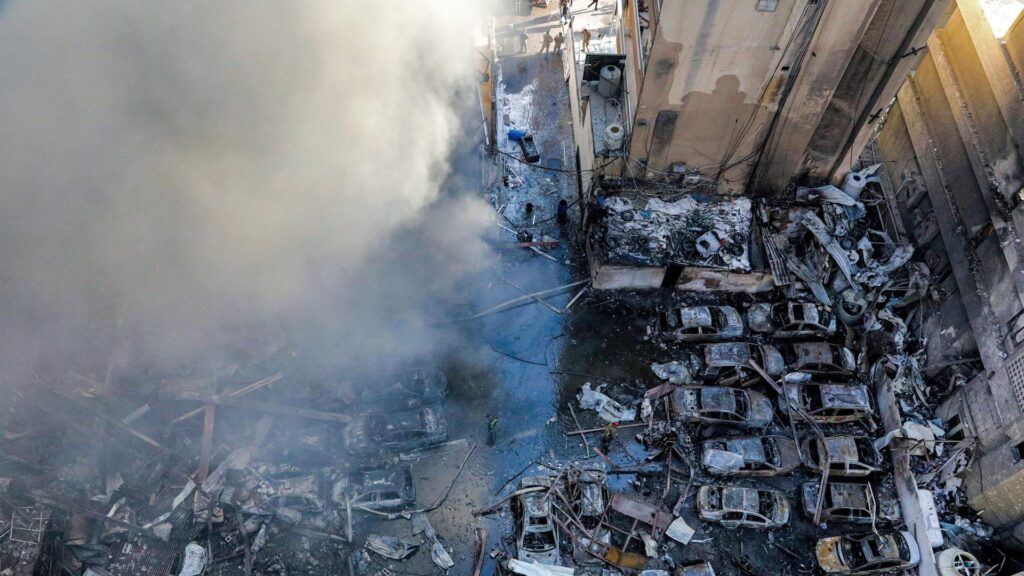
Military confrontations between Israel and the Lebanese Hezbollah militia have intensified in recent days. According to military sources on both sides, numerous attacks have been recorded, including artillery shelling and airstrikes. The Israeli Defense Forces announced that they have carried out targeted strikes on Hezbollah positions in Lebanon to weaken their military capabilities.
Hezbollah responded with its own attacks on Israeli positions, utilizing rockets and other weapon systems. Reports indicate that several border towns in Israel have been hit in recent days, resulting in injuries and property damage. The Israeli army stated that Hezbollah's attacks are considered a direct threat to national security, necessitating appropriate countermeasures.
The tensions between Israel and Hezbollah are not new but have increased in recent months, particularly in the context of the conflict between Israel and the Palestinians. Iran, which militarily and financially supports Hezbollah, has repeatedly reaffirmed its backing for the militia. Analysts warn that further escalation in the region cannot be ruled out, especially if military activities expand to involve other actors in the Middle East.
The international community is watching the developments with concern. Diplomatic efforts to de-escalate the situation have been initiated, but concrete progress has so far been lacking. The United Nations has called for an immediate ceasefire, emphasizing that a peaceful resolution can only be achieved through dialogue and negotiations.
The humanitarian situation in Lebanon remains tense, as the fighting also affects civilians. Aid organizations report an increase in the number of displaced persons and the need for humanitarian assistance. The population in the border regions is particularly affected, as many people live in constant fear of further attacks.
Overall, the situation in Lebanon and along the Israeli-Lebanese border remains tense. The ongoing fighting between Israel and Hezbollah could not only jeopardize stability in the region but also further inflame the already existing conflicts in the Middle East.