A recently unveiled framework by the churches concerning pastoral care in the context of military alliances and defense scenarios has sparked significant controversy. Critics, particularly from the peace movement, express concerns that the churches are aligning themselves with military logic, jeopardizing their role as authentic advocates for peace.
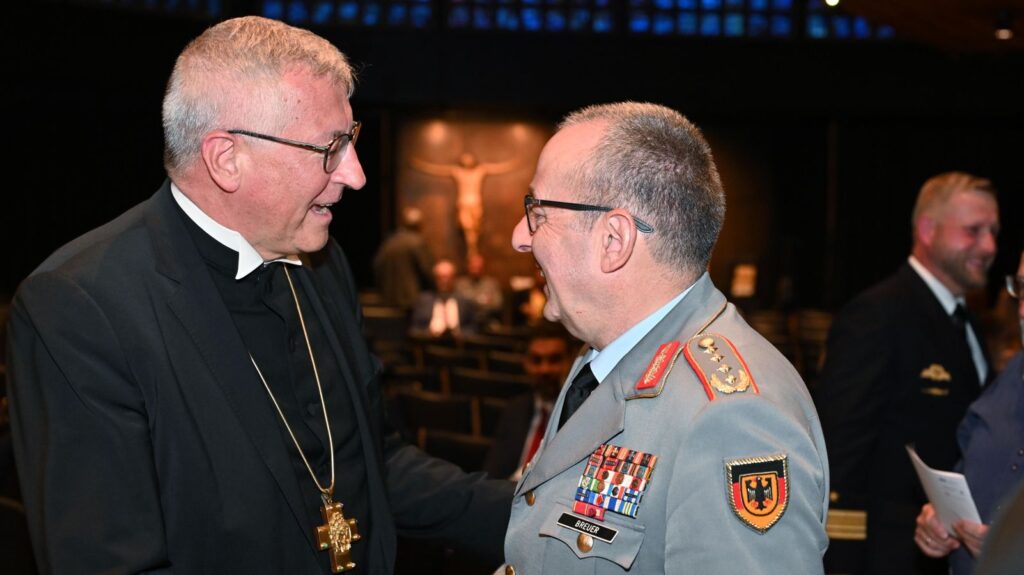
Presented by Military Bishop Bernhard Felmberg, the proposal suggests that church leaders take a more active role in military conflict situations, arguing that spiritual support for soldiers and their families is crucial during crises. However, many peace activists find this approach troubling, warning that it distances the churches from their foundational message of peace and instead legitimizes preparations for war.
Responses to the draft are divided. Some view it as a necessary step to support soldiers, while others see it as a dangerous move toward military entanglement. This debate over the churches’ role in wartime is not new but has gained urgency in the current geopolitical climate.
Activists are urging churches to reconsider their stance and firmly reject any form of militarization. They stress that religious institutions should act as moral authorities promoting peace and reconciliation rather than becoming enmeshed in military logic. This discussion reflects a broader societal debate about war and peace, highlighting the importance of clear positions from religious organizations in this context.
It remains to be seen whether the churches will respond to the criticism and adjust their strategies. In a world marked by conflict, the question of religion's role in peace and war has never been more relevant.