German-French bilingual high schools are set for a major overhaul as the German government moves to modernize these unique institutions and prepare them for the challenges of contemporary education. The cabinet has greenlit a draft law that will update the decades-old agreement governing these schools and their binational baccalaureate program, which awards a diploma recognized in both countries.
The existing framework dates back to an era before digital learning and international mobility became central to education. The proposed reforms aim to better equip the schools for modern pedagogical approaches and meet the growing demand for bilingual education across Europe.
For families, the changes promise greater certainty in planning their children's educational paths. The update reinforces the special status of these schools, often seen as beacons of Franco-German friendship, while providing students with clearer guidelines for their unique academic journeys.
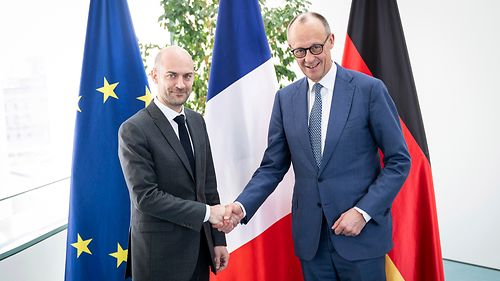
The timing carries symbolic weight, coming shortly after German Chancellor Olaf Scholz hosted French Foreign Minister Stéphane Séjourné in Berlin. Educational cooperation remains a cornerstone of bilateral relations between the two nations.
The draft law now moves to parliamentary deliberations, where both the Bundestag and Bundesrat must approve the agreement before it can take effect. Experts anticipate the modernization will help these schools maintain their competitiveness within the European educational landscape.