Status: 13 October 2026, 9 pm. Germany’s governing coalition of CDU/CSU and SPD has settled its dispute over a sugar tax. The Federal Finance Ministry confirmed on Tuesday evening that the government had agreed draft wording for the coalition parliamentary groups, which is to be “adopted by cabinet tomorrow”. The details come from the cabinet paper first reported by the Redaktionsnetzwerk Deutschland (RND).
From July 2027 there would be two bands: 26 cents per litre for drinks with at least 5 grams of sugar per 100 millilitres, and 32 cents per litre from 8 grams. Producers making fewer than one million litres of sweetened drinks a year are exempt. The federal government expects about €690 million in 2027, €925 million in 2028 and roughly €880 million a year after that.
What it could mean at the supermarket till
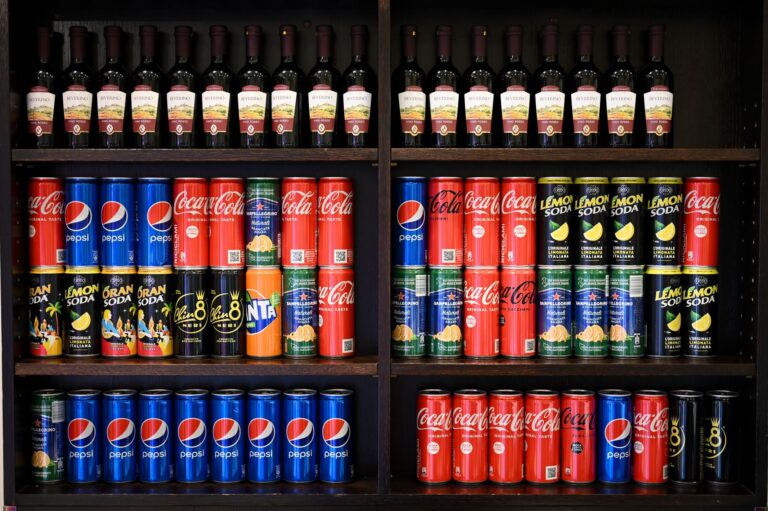
Producers pay the tax, not shoppers, and the law does not say how much they must pass on. If everything were passed on, our own calculation puts the upper band at 16 cents on a 0.5-litre bottle and 48 cents on a 1.5-litre bottle, around 57 cents with VAT. Trade press puts colas at just over 10 grams of sugar per 100 millilitres, which would put them in the upper band. For the 38-cent top rate in the earlier draft, the drinks industry calculated about 68 cents per 1.5-litre bottle including VAT. That is the industry’s own figure.
It is not yet clear which exemptions will survive. The finance ministry’s draft (as of 30 September, according to Tagesspiegel) exempted pure juices without added sugar, drinks sweetened only with sweeteners such as Cola Zero, and alcohol-free beer and wine. Tuesday evening’s reports do not list them. Finance Minister Lars Klingbeil (SPD) said in late August: “What makes no sense is a sugar tax on sugar-free drinks.” For families the practical advice for now is to check the label: what counts is sugar per 100 millilitres.
How the compromise came about
Klingbeil first wanted three bands of 26, 32 and 38 cents, the top one from 10 grams, with about €945 million in the first year. In early October the Chancellery stopped the draft; according to government sources it departed from the recommendations of the health finance commission. The commission had proposed two bands in April, 26 cents from 5 grams and 32 cents from 8 grams, starting in 2028. The compromise follows the commission’s model, but starts earlier and raises less than Klingbeil’s draft.
Resistance remains. According to RND, nine agriculture and consumer-protection ministers from Union-led states wrote to Chancellor Friedrich Merz before the decision, rejecting the tax and preferring nutrition education. Industry groups call the July date barely feasible and expect at least 200 extra customs posts to be needed, an association estimate rather than an official figure. Consumer groups and doctors’ associations back the tax. The Hamburg consumer advice centre points to the UK, where the average sugar content of drinks fell by 29 per cent after the levy, and to a Technical University of Munich study (PLOS Medicine) suggesting a comparable German tax could avoid about €16 billion in health costs over 20 years. It wants the revenue earmarked for prevention.
Our assessment: the British effect, on the usual reading, came mainly from reformulated recipes. That is also the most likely scenario here, with lemonades sitting just under the 5- or 8-gram line instead of price tags with a surcharge. It is not certain. Cabinet adopts only draft wording; the Bundestag comes next, and opposition from Union-led states and industry has not gone away. Tuesday’s reports give no date for the Bundestag vote, and a delay to the start is possible.
Sources: Tagesspiegel/dpa, Schwarzwälder Bote/RND, Tagesspiegel, Hamburg Consumer Advice Centre, ZDFheute