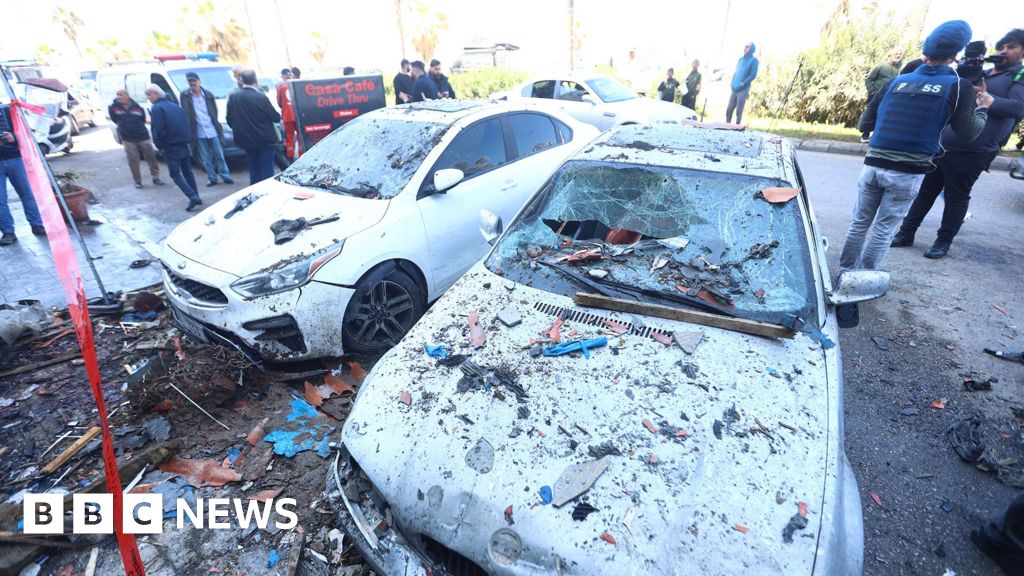
The Israel Defense Forces (IDF) have launched a significant wave of airstrikes in Lebanon over the past few days. These strikes have primarily targeted the capital Beirut and other central regions of the country. According to Al Jazeera, more than 100 people have been killed in the attacks, further exacerbating the humanitarian situation in Lebanon.
The airstrikes occur against a backdrop of increasing tensions between Israel and the Lebanese Hezbollah, which is viewed as a military threat to Israel. Israel had previously stated that a ceasefire mediated by Iran does not apply to Lebanon, which was intended to justify the intensity of the attacks.
Reports indicate that civilian facilities, including hospitals, have also been hit. This has raised international concern, as such attacks could violate humanitarian law. Experts and human rights organizations have condemned the strikes and emphasized the need to ensure the protection of civilians in conflict zones.
The IDF described the airstrikes as a response to attacks by Hezbollah on Israeli territory. The military operations aim to weaken Hezbollah's military capabilities and ensure Israel's security.
The situation in Lebanon is tense, and the population is suffering from the consequences of the ongoing conflict. The humanitarian situation has deteriorated in recent years, and the recent attacks could further destabilize the situation.
International actors, including the United Nations, have called for an immediate end to the violence and emphasized that a diplomatic solution to the conflict is necessary. The ongoing attacks and the associated civilian casualties raise questions about accountability and the legal frameworks for military operations in the region.
Developments in this region will continue to be closely monitored, as they could have far-reaching implications for stability in the Middle East.