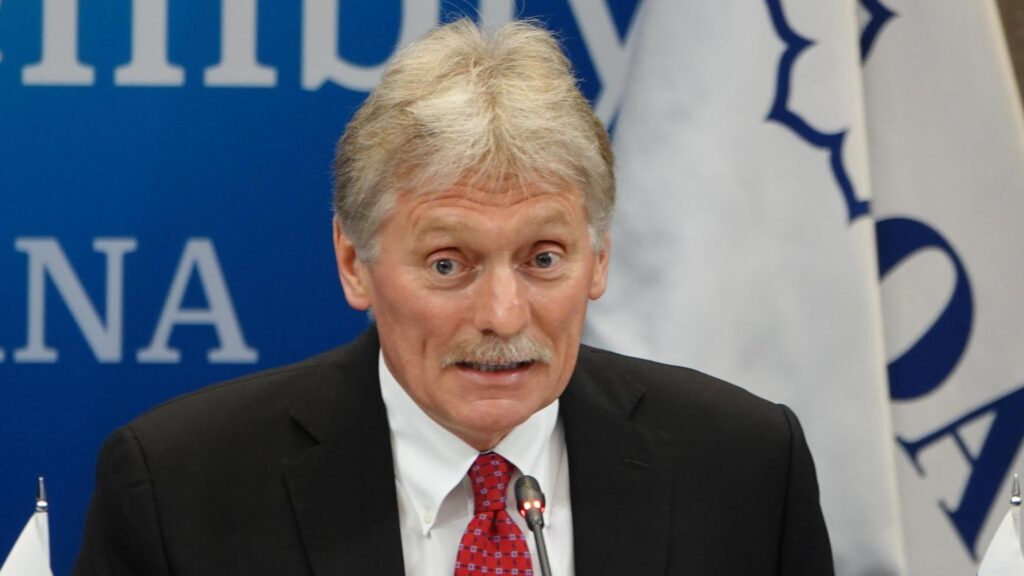
As Deutschlandfunk reports, the Kremlin has expressed its desire for a positive relationship with the future leadership of Hungary after the election in which incumbent Prime Minister Viktor Orbán was not re-elected. Kremlin spokesman Dmitry Peskov stated that Moscow respects the election outcome and wishes for a good relationship with Hungary as well as with Europe.
The election in Hungary has drawn not only national but also international attention. Orbán, who had been in office since 2010, pursued a policy in recent years that was often characterized as nationalist and Eurosceptic. His government frequently clashed with the European Union (EU), particularly on issues of the rule of law and press freedom. Orbán's defeat could thus also have implications for Hungary's relations with the EU.
Peskov's remarks suggest that Russia is interested in continuing the existing diplomatic and economic relations with Hungary. These relations were relatively stable under Orbán, despite the tensions between Moscow and Brussels. Hungary has often advocated for pragmatic cooperation with Russia in the past, particularly in the energy sector.
The future Hungarian government will face the challenge of balancing the expectations of the EU with the existing relations with Russia. The Hungarian opposition has previously called for a stronger rapprochement with the EU and may seek to change the country's foreign policy orientation.
Reactions from the Kremlin could also be understood as a signal to other European countries that Russia is willing to work with various political forces as long as relations remain stable. This could be particularly significant for countries that also adopt a critical stance towards the EU or wish to intensify relations with Russia.
Overall, it remains to be seen how the political situation in Hungary will develop and what impact this will have on the country's international relations. The coming months could be crucial in determining whether Hungary changes its foreign policy course or continues with its previous strategies. The Kremlin's stance could play an important role in this, especially in light of the geopolitical tensions in Europe.