The Strait of Hormuz must be reopened
aufgehen — Tagesschau
NATO remains silent on Trump’s demands
The NATO is reacting cautiously to sharp criticism from Washington. US President Trump is demanding more support in the Strait of Hormuz, but the alliance is sticking to its cautious line.
NATO is under pressure but responds with silence. US President Donald Trump has sharply criticized the alliance and demanded more support in the Strait of Hormuz – yet in Brussels and European capitals, they are keeping a low profile.
The strategic waterway in the Persian Gulf has been closed for weeks, massively impacting global trade. In recent days, Trump has repeatedly called on NATO partners to engage more strongly and support American efforts. “I’ve always wondered if NATO will be there for us. This is a great test,” the US president said, according to a Tagesschau report.
But the alliance’s response is muted. NATO Secretary General Mark Rutte, who visited a NATO mission in Norway this week, did comment on the situation in general terms. “The Strait of Hormuz must be reopened,” Rutte said. He knows that many member states are working together on a solution.
However, the NATO chief did not address the specific criticism from Washington. This restraint reflects the cautious stance of many European states, who do not want to be drawn into a military escalation with Iran.
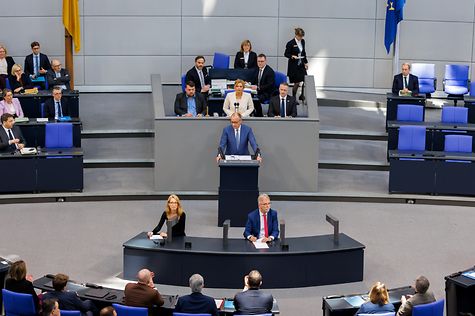
Germany has already made it clear that it will not participate in a military mission to secure shipping in the Strait of Hormuz. Chancellor Friedrich Merz reaffirmed this position on Wednesday in a government statement. “Washington did not consult the Europeans,” Merz said, according to parliamentary documents. “We would have advised against it.”
The differing positions highlight tensions within the transatlantic alliance. While the U.S. is pushing for a robust military presence, many European partners prefer diplomatic solutions and economic pressure. This divergence could impair NATO’s ability to act in the current crisis.
Behind the restraint of European states lie several factors: concerns about further escalation in the Middle East, economic interests, and historical experience with previous interventions in the region. Additionally, some governments fear domestic opposition if they deploy troops to a potentially dangerous mission.
The closure of the Strait of Hormuz has already had noticeable effects on the global economy. About one-fifth of global oil trade normally passes through this chokepoint. Since the blockade, energy prices have risen, and supply chains have been disrupted.
For European consumers, this means higher costs for gasoline, heating oil, and many imported goods. The economic consequences could become even more noticeable in the coming weeks if the situation does not ease. NATO faces a difficult balancing act: on one hand, accommodating its most important ally, and on the other, protecting its own interests and capacities. So far, the alliance seems to be playing for time—hoping that diplomatic initiatives will bear fruit or that the situation will defuse on its own. But this approach carries risks. If the crisis persists or escalates, pressure from Washington could increase. At the same time, concern is growing in Europe that too close an alignment with American military strategies could drag the region into a larger conflict. The coming days will show whether NATO’s silence is a deliberate strategy or an expression of internal discord. One thing is certain: the Strait of Hormuz remains a neuralgic point not only for regional security but for the stability of the entire transatlantic relationship.