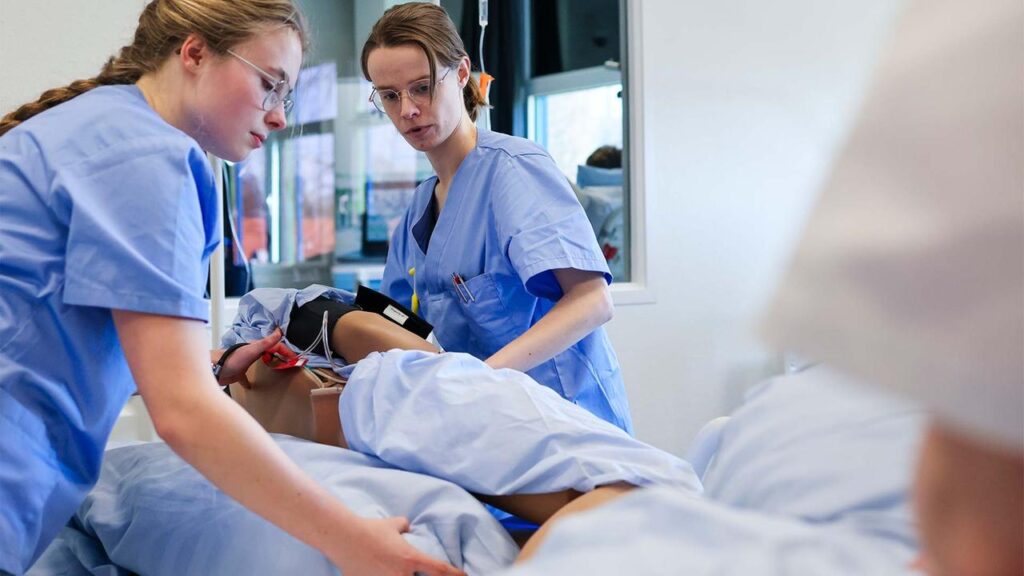
Germany's beleaguered care sector is breathing a sigh of relief. For the first time in years, efforts to attract new talent to the chronically understaffed field are showing significant success. The number of people training to become nurses has hit a historic peak in 2025.
Preliminary data from the Federal Statistical Office indicates that last year, around 158,000 individuals were in training to become nursing professionals. This is the highest figure since the introduction of the generalist nursing training program. Particularly encouraging is an approximately eight percent increase in newly signed training contracts, reaching roughly 64,300.
A spokesperson for the Federal Ministry of Health, commenting on the figures to broadcaster BR, stated, 'This development is an important signal for the future of our nursing care.' The generalist training model, which since 2020 has unified training for elderly care, general nursing, and pediatric nursing, appears to be establishing itself and making the profession more attractive.
Several factors are driving this rise. Improved pay after qualification, increased societal appreciation during the pandemic, and targeted recruitment campaigns are having an effect. While women continue to dominate, holding about 75 percent of training positions, the proportion of men is growing steadily.
Alongside the classic vocational training, nursing degree programs are gaining importance. The data shows that around 1,800 students began such academic courses in 2025. This academic qualification is intended to enable more leadership roles within care facilities in the future.
This positive trend comes at a crucial time. According to projections by the Federal Ministry of Health, Germany is facing a shortfall of about 150,000 full-time nursing staff by 2035. While the current influx of trainees cannot close this gap alone, it will noticeably alleviate the acute staffing shortage.
For patients and residents of care homes, the trend means greater long-term stability. Better-trained and sufficiently available staff can improve the quality of care and reduce the workload for those already in the profession.
Whether this upward trend continues depends on further improvements to working conditions. Experts are calling not only for attractive pay but also for better staff-to-patient ratios, more opportunities for further training, and a significant reduction in bureaucratic burdens. The coming months will reveal whether the record number of trainees marks the beginning of a sustainable turnaround.