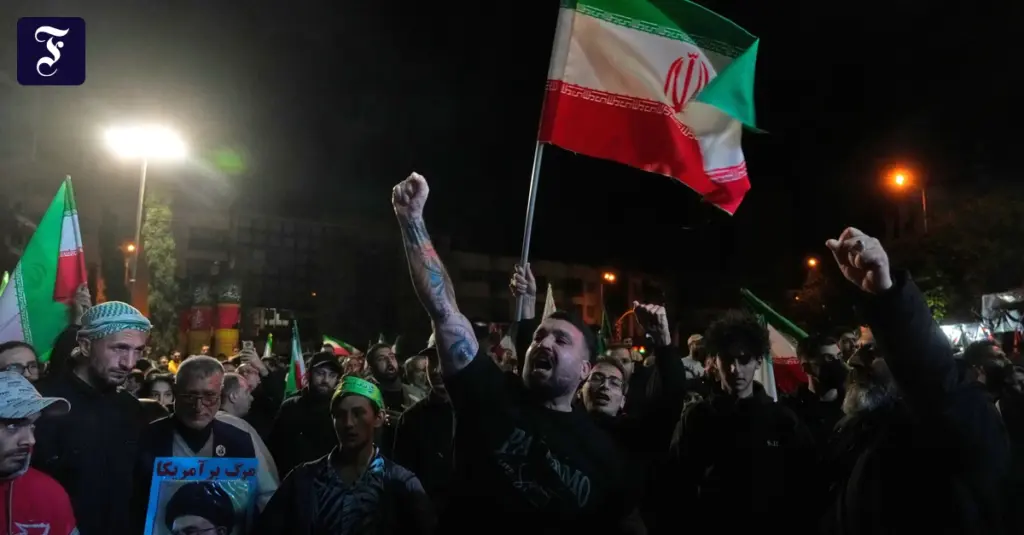
The situation in Iran, particularly in the context of the Iran War, is viewed favorably by the government in Tehran. According to government representatives, Iran already feels like a winner in the current confrontation. This assessment is supported by strategic considerations and military developments.
A central aspect of Iran's strategy is control over the Strait of Hormuz, which is considered one of the most important waterways for international oil transport. The Iranian navy has increased its presence in recent weeks, which is interpreted as a signal to international actors. Experts point out that control over this route gives Tehran a significant geopolitical weapon in the current conflict.
Reports indicate that China plans to provide Iran with additional air defense systems. This support could further strengthen Iran's military capabilities and solidify Tehran's position in the conflict. Military cooperation between China and Iran is regarded by analysts as strategically important, especially in light of the strained relations between Iran and the United States.
The impact of the war on the U.S. and Iran is assessed differently by experts. One expert stated that the Iran War could weaken both Tehran and Washington. The ongoing fighting and the associated economic burdens could have long-term consequences for both countries.
Despite the military confrontations, a regime change in Iran is considered unlikely. Analysts emphasize that the internal political structures and the loyalty of security forces to the regime play a crucial role. Therefore, the overthrow of the mullahs is viewed as difficult and far-fetched.
Overall, it appears that Tehran remains optimistic in the current situation and is mobilizing its military and strategic resources to strengthen its position. Developments in the Iran War will continue to be closely monitored, as they could have far-reaching implications for the geopolitical landscape in the Middle East.