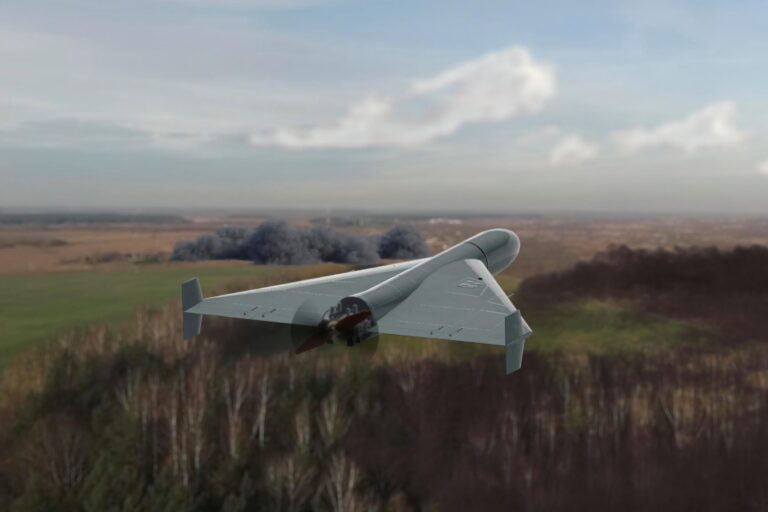
showed journalists how the STING interceptor drone works. As Reuters writes, this quadcopter, which reaches speeds of up to 280 km/h, flies with a loud roar and is capable of sharply changing direction. Therefore, it can attack bulky Russian Shahed versions.
Wild Hornets
Ukraine Deploys ‘STING’ Drone Hunter to Counter Russian Attacks
Ukraine's STING drone hunter, flying at 280 km/h and set to get faster, is designed to intercept Russian attack drones like the Shahed models, offering a nimble and cost-effective defense solution developed by local firm Wild Hornets.
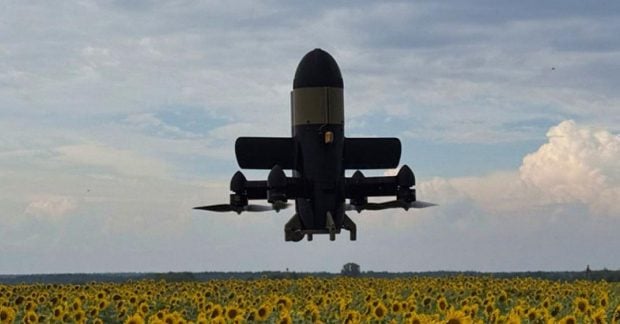
As Russian attack drones, such as the Shahed models, pose an escalating threat to Ukraine, a domestic company has unveiled a potential countermeasure: the STING drone hunter, specifically engineered to neutralize these aerial threats. Developers from Wild Hornets recently demonstrated the capabilities of their latest weapon to journalists, showcasing a quadcopter that already hits speeds of 280 kilometers per hour, with plans to make it even faster in future iterations. With its distinctive loud hum and ability to execute sharp directional changes, the STING can track and engage slower, more cumbersome drones. ‘This combination allows it to pursue drones over distance before colliding with them and destroying them with explosives,’ the developers explained, highlighting a collision tactic where the drone hunter impacts its target to trigger a detonation. The technology arrives at a critical juncture, as Russia increasingly deploys low-cost attack drones that menace Ukrainian cities and infrastructure. Conventional air defense systems like Patriot missiles often prove too expensive and inefficient against these small, agile targets. The STING drone hunter could fill this gap, providing a relatively affordable and flexible defense option. The developers emphasize that their priority is bolstering the Ukrainian military, and they would only export their products upon government request. If Kyiv secures more American Patriot missiles, the STING could serve as a complementary system: while Patriots target slower ballistic missiles and aircraft, the drone hunter would handle low-flying drone defense. This demonstration underscores how Ukrainian firms are innovating to address wartime challenges, developing locally adapted technologies tailored to specific threats rather than relying solely on costly imported weapons. For Ukraine’s defense, this represents a practical advancement; the STING may help curb Russia’s growing drone fleet and better protect civilian areas. Its ongoing development toward higher speeds promises to enhance these capabilities further. The next steps will reveal how quickly the drone hunter can be mass-produced and deployed on the front lines, with its potential success possibly inspiring other Ukrainian companies to create similar niche defense solutions.