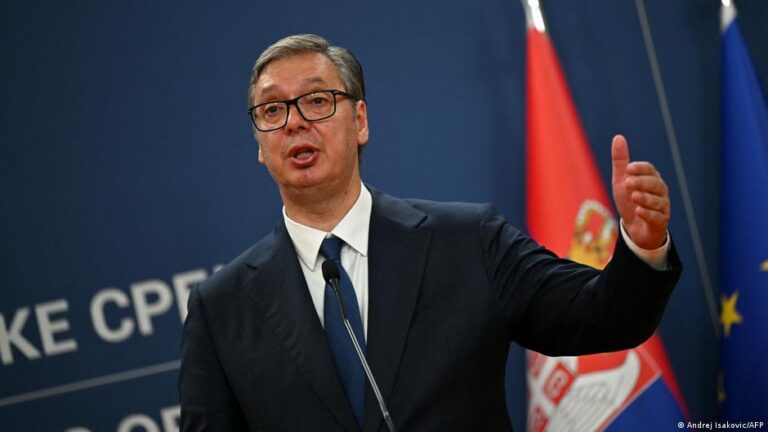
The vote is expected to take place on 18 or 25 October, as Vučić said in a televised address. The regular election date would not have been until December 2027. Vučić had already announced in June that he would resign within weeks to pave the way for early parliamentary and presidential elections. However, he left the exact timing of his resignation open.
Vučić has been head of state since 2017, having previously served as prime minister for three years. Analysts say he could take over as prime minister if his Progressive Party (SNS) wins the election – a step that would continue the long-standing trend of power in Serbia always resting with Vučić, regardless of his official title.
Since November 2024, Serbia has seen repeated protests against the government. The trigger was the collapse of a railway station canopy in Novi Sad, in which 16 people died. The demonstrators hold the government responsible for the disaster and accuse it of mismanagement and corruption. The opposition also demands free and fair elections and an independent judiciary.
Serbia is an EU candidate country but also maintains close ties with Russia and China. Brussels requires progress on the rule of law, the fight against corruption, and the alignment of foreign policy with the EU line before accession.
Source: www.dw.com