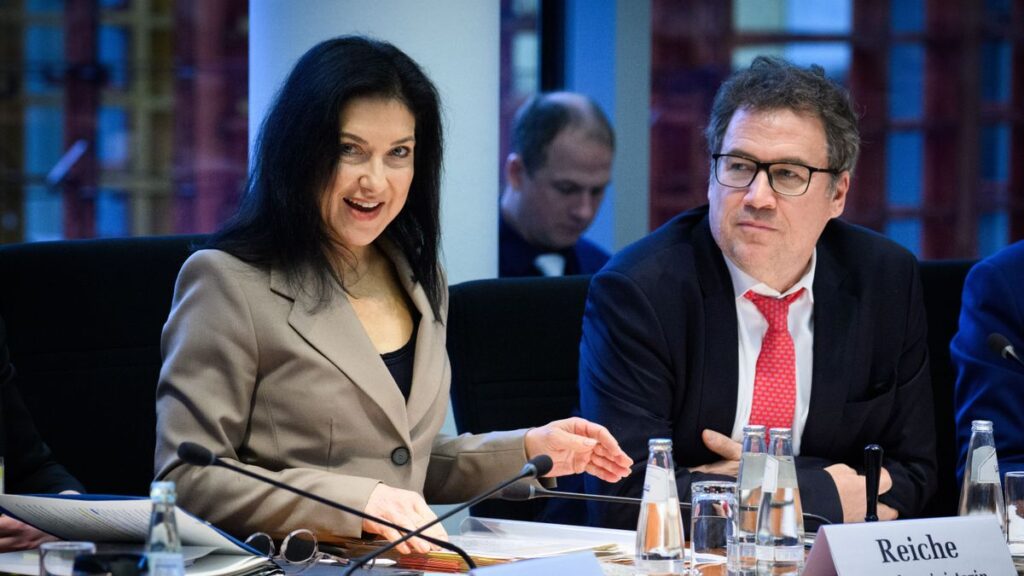
As Der Spiegel reports, Katherina Reiche, the Economic Minister of the Federal Republic of Germany, is receiving backing from the Union faction. The conflict between Reiche and Merz has intensified in recent weeks, particularly in the context of the current economic challenges facing Germany. The economic wing of the CDU views Reiche as a competent and determined leader who takes clear positions on the energy crisis and other economic issues.
The dispute between Reiche and Merz arose from differing views on the economic policy direction of the CDU. Merz, who as party chairman follows a more conservative line, has previously criticized Reiche's approaches. These differences became particularly evident when Merz called for Reiche's resignation, which many in the party deemed inappropriate. The economic wing of the CDU has now clearly positioned itself, emphasizing that Reiche is "completely right" in her contentions.
Support for Reiche comes at a time when she presents herself publicly as a "superwoman" who defends her principles despite the challenges of the energy crisis. This perception is bolstered by the positive response from the Union faction, which sees Reiche as an indispensable voice in the current political landscape. In recent months, the minister has been actively engaged with issues such as energy supply and economic stability, striving to find pragmatic solutions.
The confrontation between Reiche and Merz is not only an internal conflict within the CDU but also reflects the larger challenges the party faces. The CDU must reposition itself in a time when economic conditions are difficult and rethink its political strategies. Support for Reiche could therefore also be understood as a signal to the party base that a more modern and pragmatic approach to economic issues is necessary.
Reactions to the support for Reiche are mixed. While many in the Union faction welcome their decision, there are also critical voices who fear that the conflict between Reiche and Merz could further divide the party. The coming weeks will be crucial to observe how this dispute develops and what impact it will have on the political landscape of the CDU.
Overall, the conflict between Katherina Reiche and Friedrich Merz highlights the importance for the CDU to find a unified and clear economic policy line. Support from the economic wing could strengthen Reiche in her position and help ensure that the party remains capable of action in the current crisis.