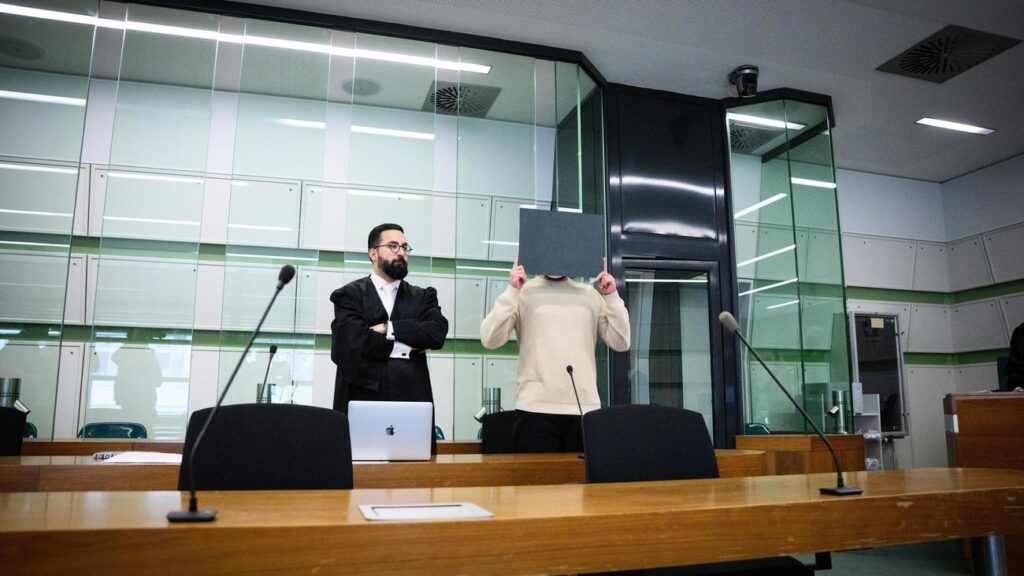
As Die Zeit reports, in the appeal process against a former classmate of the Jewish student Lahav Shapira, the originally imposed prison sentence was mitigated. The defendant had been convicted for a brutal attack on Shapira that took place in 2021 in Berlin. The court decided to reduce the sentence from originally three and a half years to two and a half years.
The incident occurred when Shapira, who studies at a university in Berlin, was attacked by several individuals. The attack was classified as antisemitically motivated and sparked widespread public outrage. The act not only impacted the life of the victim but also affected the Jewish community in Germany, which has increasingly expressed concern over the rise in antisemitic assaults.
According to various media reports, the defendant was described during the trial as part of a group that attacked Shapira because of his Jewish identity. The brutal circumstances of the attack and the subsequent legal proceedings led to an intense debate about how to handle antisemitic violence in Germany.
The court's decision to reduce the prison sentence has elicited mixed reactions from the public. Critics fear that such a decision could send the wrong signal in the fight against antisemitism. Supporters of the defendant, on the other hand, argue that the sentence is appropriate when considering the circumstances of the case.
The Jewish community in Germany has repeatedly emphasized the need to take antisemitic assaults seriously and to punish the perpetrators accordingly. The case of Lahav Shapira is just one example of the challenges faced by Jewish people in Germany. The increase in antisemitic incidents in recent years has led to an intensified public discourse on antisemitism and its combat.
The court's decision is expected to have implications for future proceedings involving antisemitic assaults. Experts warn that a mitigation of sentences in such cases could further undermine the sense of security within the Jewish community.
Overall, the case highlights the importance of reviewing and, if necessary, adjusting the societal and legal frameworks for the protection of minorities. The discussion about antisemitism in Germany remains a central issue that affects both politics and society. Reactions to the ruling will therefore continue to be closely monitored to see what measures are taken to ensure the safety and well-being of the Jewish community.