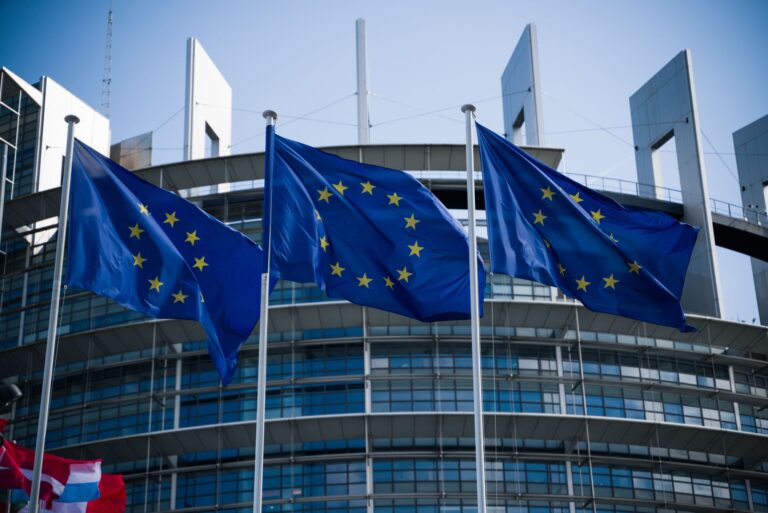
A day before the EU summit in Brussels, Chancellor Friedrich Merz used a Bundestag speech to set out Germany’s line: tougher trade policy, a much smaller EU budget and continued backing for Ukraine. For Kyiv the summit opens on Thursday with some momentum: on Tuesday two more negotiating clusters were opened in Luxembourg.
They are Cluster 2 (Internal Market) and Cluster 3 (Competitiveness and Inclusive Growth), for both Ukraine and Moldova. Four of six clusters are now open: Fundamentals in June, external relations in July, and now two and three. Cluster 4 (Green Agenda and Sustainable Connectivity) and Cluster 5 (Resources, Agriculture and Cohesion) remain. Commissioner Marta Kos wants them opened “as soon as possible”; New Union Post reports a December target.
Why it suddenly moved
Hungary had blocked both clusters for months, tying them to a law on the education rights of national minorities. Ukraine’s parliament passed it on 12 October, and the door opened a day later. Earlier coverage: Ukraine passes minority-schools law to unblock EU talks. Transparency International Ukraine adds a caveat: the process is lagging behind the timeline agreed in June. Its executive director Andrii Borovyk said, as reported by New Voice of Ukraine, that many reforms in the roadmap are still ahead.
In his invitation letter of 8 October, European Council President António Costa hoped more clusters would be open by the summit, which has now happened. President Volodymyr Zelenskyy is also due to brief leaders on Ukraine’s operational needs before winter, as Russia keeps hitting energy infrastructure. The agenda also covers Russian hybrid attacks across Europe, defence readiness and temporary, targeted measures to ease high energy prices.
The budget as a quiet brake
The bigger fight is over the 2028–2034 EU budget. According to Germany, Denmark, the Netherlands, Austria, Finland and Sweden, the Commission proposes nearly €2 trillion; in a joint statement of 27 August the six demand cuts of “several hundred billion euros” and reject new common debt. Merz repeated that line in the Bundestag, dpa reports, and wants a deal this year. Costa speaks of a “decisive phase”.
Our assessment: the two tracks are linked. Cluster 5 covers farm and cohesion money, the very pots that would be redistributed most if Ukraine joined. The tighter the budget, the harder that chapter is likely to be. Opening clusters 4 and 5 by December is possible but far from certain.
At home, Merz rejected claims that Ukraine aid comes at the expense of social spending: “Not a single euro is missing from social spending,” he said, according to ZDFheute, pointing to the debt-brake exemption. For Ukrainians in Germany the summit changes little day to day; indirectly, energy-price relief and the pace of accession matter most.
Sources: European Council (invitation letter), German government, ZDFheute, New Union Post, New Voice of Ukraine