As of 15 October, 10:00 BST. Ukraine says it will resume strikes on Russian oil refineries, and it links the decision directly to the diesel deal between Donald Trump and Vladimir Putin. President Volodymyr Zelenskyy told the Financial Times: “The block is out. We’re done.” At the EU summit in Brussels on Thursday, it is clear that Europe has no single line on the issue.
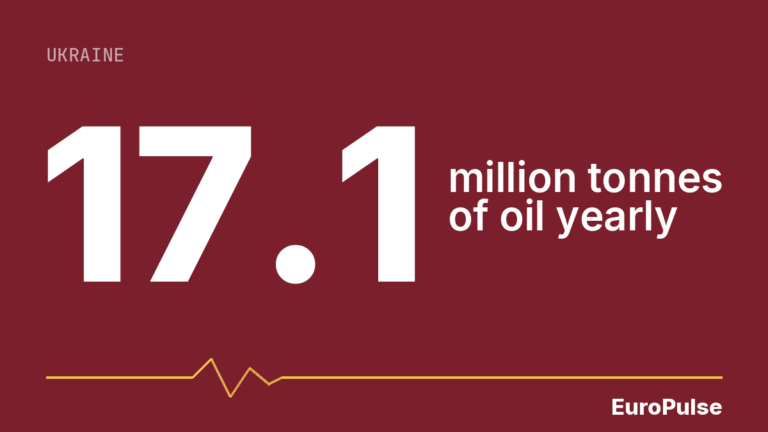
A quick recap. After a call with Putin, Trump announced that more than 300,000 tonnes of Russian diesel would reach the market immediately, with 500,000 tonnes to follow in November and a million after that. The US temporarily allowed trade in Russian diesel until 7 April 2027, and Russia partly lifted its own export ban. On Sunday Trump also declared an “energy ceasefire”. Kyiv was not consulted, Euronews reports; Moscow has not confirmed it, and on Monday Russian forces hit six energy sites, according to Zelenskyy. We have already set out what Washington is demanding of Kyiv.
Why Kyiv ran out of patience
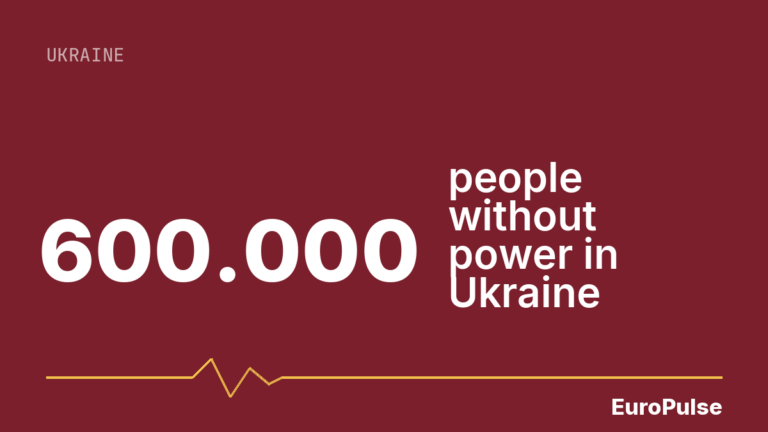
Zelenskyy first offered to stop hitting refineries if Russia ended attacks on Ukraine’s power system. Ukrainian media reported two days without such strikes, and no reaction from the Kremlin. Meanwhile he spoke of more than 600,000 people without electricity after a Russian attack. He told the FT that Ukrainian officers had been warned that if the energy strikes continued, intelligence would be cut off. Asked by Piers Morgan whether he felt betrayed by Trump, he said: “Yes.”
The details rest for now on Zelenskyy’s own account and on US media reports; we found no detailed comment from the White House.
The logic of the deal is plain: Ukrainian drones had caused diesel shortages inside Russia. The agreement gives Moscow revenue and breathing space, and gives Trump lower fuel prices less than a month before the midterms.
Europe: a clear line, and those breaking ranks
Berlin is openly distancing itself from Washington. According to Der Spiegel, Chancellor Friedrich Merz called a diesel deal of its own with Russia “unacceptable for Germany and Europe” and urged tougher sanctions. Government spokesman Stefan Kornelius said support for Ukraine remained “unbroken”. The economy ministry under Katherina Reiche (CDU) points out that Germany has bought no Russian oil or oil products since 2023.
In Brussels, positions diverge. Sweden’s Ulf Kristersson defended the refinery strikes and called the deal the wrong signal. Italy’s Giorgia Meloni described a “very risky choice” that legitimises Moscow. EU foreign policy chief Kaja Kallas said Russian refineries are legitimate targets under international law. Bulgaria’s Rumen Radev broke ranks: he backs the deal because of high fuel prices and does not support attacks on refineries.
Three scenarios
This is our assessment, and our confidence is limited. First, the energy war escalates: Ukraine hits refineries, Russia hits power plants, and civilians feel it most this winter. Until Moscow gives verifiable commitments, we consider this the most likely. Second, Washington squeezes Kyiv hard enough that the strikes do ease; that depends on whether the US follows through on its threat. Third, a genuine mutual halt, though nothing yet exists to verify one.
For consumers in Germany the effect looks small: the industry group Fuels und Energie expects no major impact on pump prices, and IW Köln economist Samina Sultan no significant change in the world market price. The EU ban on Russian diesel imports has applied since 5 February 2023. The dispute will be felt more in Ukraine, and by anyone whose family there is heading into winter without reliable power.
Sources: Euronews, dpa via web.de, AWP/cash.ch, CNN, President of Ukraine