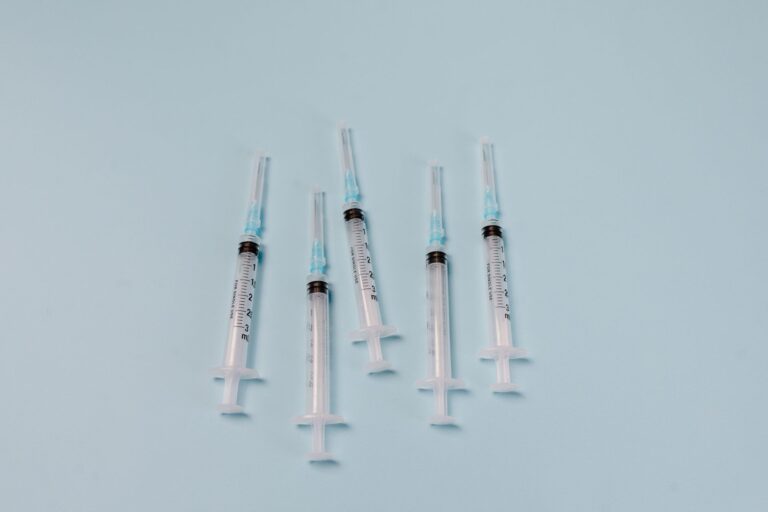
Germany’s flu wave has not started yet, but the vaccination season has. The standing vaccination committee, STIKO, recommends getting the jab “from October to mid-December”. Protection takes about 10 to 14 days to build, so booking now makes sense.
According to the Robert Koch Institute (RKI), around 5.2 million people developed a new acute respiratory infection in the week of 19–25 October, and about 1.2 million saw a doctor. Rhino- and enteroviruses dominate the samples (43 per cent); influenza A and B account for 3 per cent each, SARS-CoV-2 for 3 per cent. RKI says flu and coronavirus activity is rising slowly, and severe cases remain rare (weekly report, via Apotheken Umschau, 30 October).
Who does STIKO recommend the jab for?
Everyone aged 60 and over; pregnant women from the second trimester (from the first if they have an underlying condition); people with chronic lung, heart, liver or kidney disease, diabetes, certain neurological conditions or weakened immunity; and care-home residents. People who share a household with someone at risk, and staff in healthcare or places with heavy public contact, are also included. For those 60 and over, STIKO advises a high-dose or MF59-adjuvanted vaccine. Breastfeeding mothers can be vaccinated.
Healthy adults under 60 are not part of the standard recommendation, but STIKO does not advise against it, and many employers offer the vaccination.
What about children?
Children with chronic conditions such as asthma or diabetes should be vaccinated every year from six months of age. There is no general recommendation for healthy children, though STIKO does not advise against it either. Between ages two and 17, a nasal spray is available as an alternative to the injection if there are no contraindications such as immune deficiency. If a child with an immune deficiency lives in the household, other family members should avoid the spray.
One point for parents: children under nine getting their first flu vaccination need two doses four weeks apart with most vaccines. Starting now means the second dose lands before December. The flu jab can be given at the same time as a Covid vaccination, ideally in different arms.
Who pays?
Statutory health insurance covers the cost for all the risk groups above, because STIKO recommendations are written into the vaccination directive by the Federal Joint Committee (G-BA). Outside those groups, for example healthy parents or children, it is worth asking your insurer beforehand; RKI gives the same advice. There is no nationwide fixed price for self-payers, so ask about the cost when you book.
Our assessment: last winter the specialist press reported the start of the wave around mid-December, so anyone who sees a GP or paediatrician now has a good chance of being protected by then. There is no guarantee, and nobody can credibly predict how early this year’s wave will come. If you miss the window, vaccination is still possible during the wave. Bring your vaccination card, including a Ukrainian one, so the practice can record your history.
Sources: RKI: influenza vaccination recommendation, RKI: indication groups, Federal Joint Committee (G-BA), Apotheken Umschau