US President Donald Trump has prepared Ukraine for territorial losses as a consequence of an agreement to end Russia’s war of aggression. In an interview on the TV programme “60 Minutes”, Trump said he still expected the war to end soon: “I think we can get it done. I think it’s going to happen. And in the end Ukraine will have a somewhat different shape,” the US president said, as reported by Tagesspiegel and t-online, among others, on Monday, 9 November.
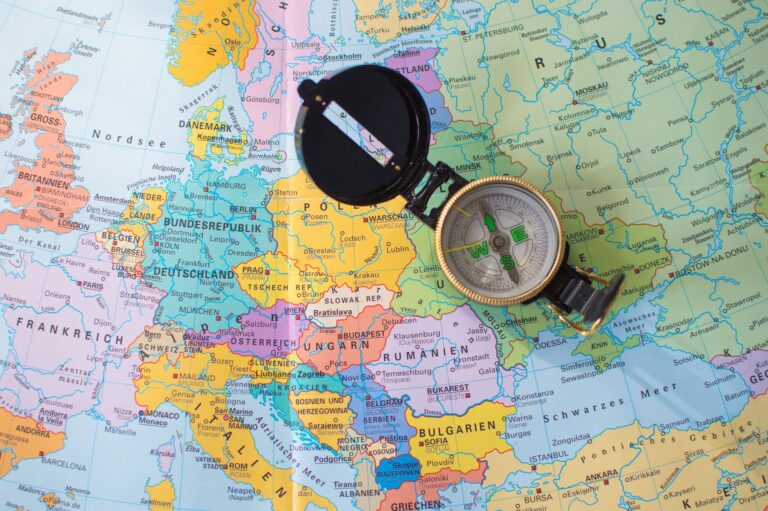
Trump left open what “somewhat different shape” specifically means. Russia claims the areas in eastern Ukraine occupied since the start of the war as well as the still Ukrainian-controlled remainder of the eastern Donbas region. Moscow also wants to keep the Black Sea peninsula of Crimea, annexed back in 2014. Ukraine, by contrast, points to the country’s territorial integrity enshrined in its constitution.
“Hatred” as the biggest obstacle
In the interview, Trump described “the hatred” between Ukrainian President Volodymyr Zelensky and Russia’s head of state Vladimir Putin as the biggest obstacle to ending the war. Reporter Ross Douthat then asked whether this was not understandable on Zelensky’s side given the Russian invasion. Trump replied: “Well, it is – but when they had their first meeting, Russia was treated very disrespectfully.” Trump did not want to say whether he trusted Putin or Zelensky more. Asked whether the Kremlin chief was stringing him along, he said: “Oh, I don’t believe that.” At the same time Trump claimed: “Nobody was tougher on Russia than me.”
Trump justified the latest exception to US sanctions, intended to enable the sale of Russian diesel, by saying the world market had needed it. According to t-online and Tagesspiegel, the step was seen in the US rather as a desperate attempt to push down fuel prices that had risen because of the Iran war. Their rapid rise had contributed to the heavy defeat of Trump’s Republicans in the US congressional election the previous week.
A promise with a long history
Trump has been announcing since the start of his second term in early 2025 that he will end the war soon. At times he even said the war of aggression, ongoing since February 2022, could be settled within 24 hours. He has not yet presented concrete results.
The Europeans, meanwhile, are pressing for involvement in possible peace negotiations. EU foreign policy chief Kaja Kallas said, according to Deutschlandfunk, that any agreement to end Russia’s war of aggression must involve the European Union. The broadcaster had reported on Friday, 6 November, on corresponding demands by leading EU politicians.
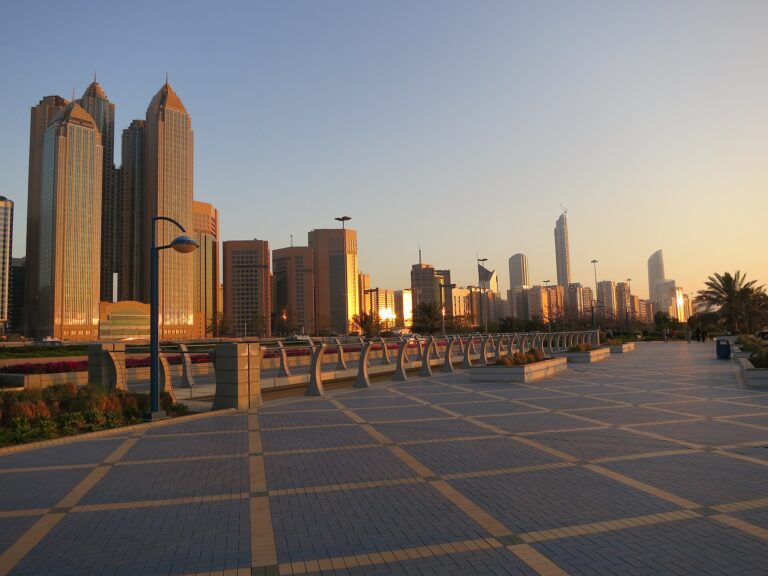
According to the French government, talks on ending the war are scheduled in Abu Dhabi this week. US special envoy Steve Witkoff had announced that the US wanted to bring delegations from Ukraine and Russia together there on 10 and 11 November, as n-tv reports. The topic was to be an end to the war, security arrangements for the period afterwards and de-escalation. France’s Foreign Minister Jean-Noël Barrot told the radio station RTL that the Europeans would be “well represented”, and France too would take part in the discussions in Abu Dhabi. He could not yet say who exactly would travel there for the country.
US Secretary of State Marco Rubio, meanwhile, announced progress on the question of Ukraine’s and Europe’s “security infrastructure” after Russia’s war of aggression. The need for security guarantees had repeatedly come up in the talks, Rubio said before his trip to the G7 foreign ministers’ meeting in Paris. Trump had previously announced a “very big” deal with Russia that would concern not only Ukraine but “all of Europe”. “I think that’s what the president is alluding to – that there has been some progress on the question of what that architecture could look like after the conflict,” Rubio said.
Whether Trump’s formula of Ukraine’s “different shape” is more than a vague announcement is likely to become clear at the earliest during the talks in Abu Dhabi. Much is at stake for Kyiv: the constitution rules out ceding territory, and the Europeans have repeatedly made clear that they adhere to Ukraine’s territorial integrity. Only in October had the Council of the EU imposed sanctions on 77 individuals involved in the unlawful “elections” to the Russian State Duma in the occupied areas of Ukraine – a sign that Brussels does not recognise Russia’s annexation claims.