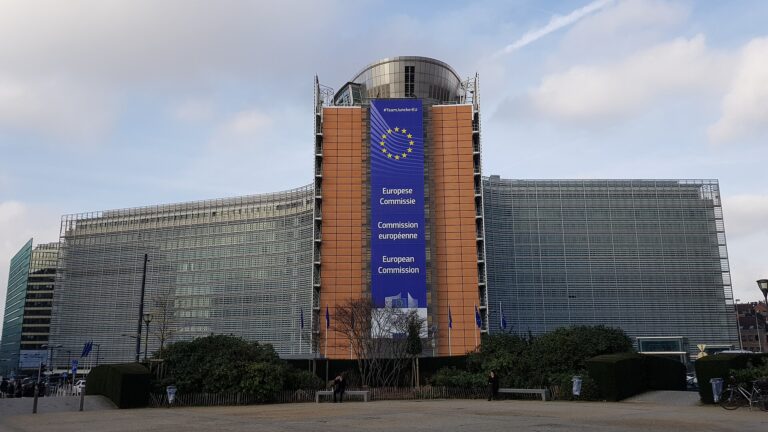
EU foreign ministers formally approved a fresh round of Russia sanctions in Brussels on Monday: 12 individuals and 101 entities were added to the list. According to the Council of the EU, as reported by Sofia Globe, the targets include almost 50 Russian banks, companies running refineries and the St Petersburg oil terminal, and firms that keep the shadow fleet afloat.
Two names stand out because they sit close to everyday Russian life: the sole shareholder of the online retailer Wildberries and a majority owner of Ozon. The Kyiv Independent identifies Tatyana Kim as Wildberries’ owner; which Ozon shareholder is affected is not unambiguously confirmed in the reports we could see. All those listed face asset freezes, and individuals also a travel ban.
The list also reaches beyond Russia: buyers of Russian oil products in China, the UAE, Seychelles and Oman, and businesspeople who own or manage shadow-fleet tankers. The Council justifies the move by Russia’s “indiscriminate attacks” on Ukraine, particularly on civilian infrastructure.
A listings round, not a new package
This is not a numbered package. The 21st was adopted on 23 July with 218 listings, which High Representative Kaja Kallas called “the highest number of listings in four years”. It froze the assets of 94 banks, including Ozon Bank and Wildberries Bank, and paused the automatic oil price cap adjustment until 15 July 2027. November’s round plugs gaps: owners, middlemen and buyers, rather than new trade bans.
EU ambassadors had provisionally agreed 145 entries on 11 November. Besides the 113 now confirmed against Russia’s war economy, Reuters reports 31 listings under the hybrid-threats regime (disinformation and interference) and one under the cyber regime. One EU diplomat linked part of these to the attempted drone attack on Leipzig/Halle airport, which Berlin blames on Moscow; Russia denies involvement. Whether that second group was formally adopted on Monday is not clear from the reports available to us.
What will it change?
Our assessment, with due caution: the immediate economic pressure is limited, since many of the banks were already blocked in the summer. The effect lies elsewhere. Listing the owners of major platforms complicates their financing and foreign business even if their shops keep trading in Russia. And by naming buyers in China and the Gulf, Brussels is testing how far it can chase price-cap evasion beyond its own borders; there, enforcement matters more than the list.
What next: Bloomberg, cited by Georgia Today, says a 22nd package could come up in December. That will show whether the EU is ready for new trade restrictions or sticks to listings, and whether all member states go along.
Sources: Sofia Globe, Kyiv Independent, EEAS, Georgia Today / Reuters, Ukrinform